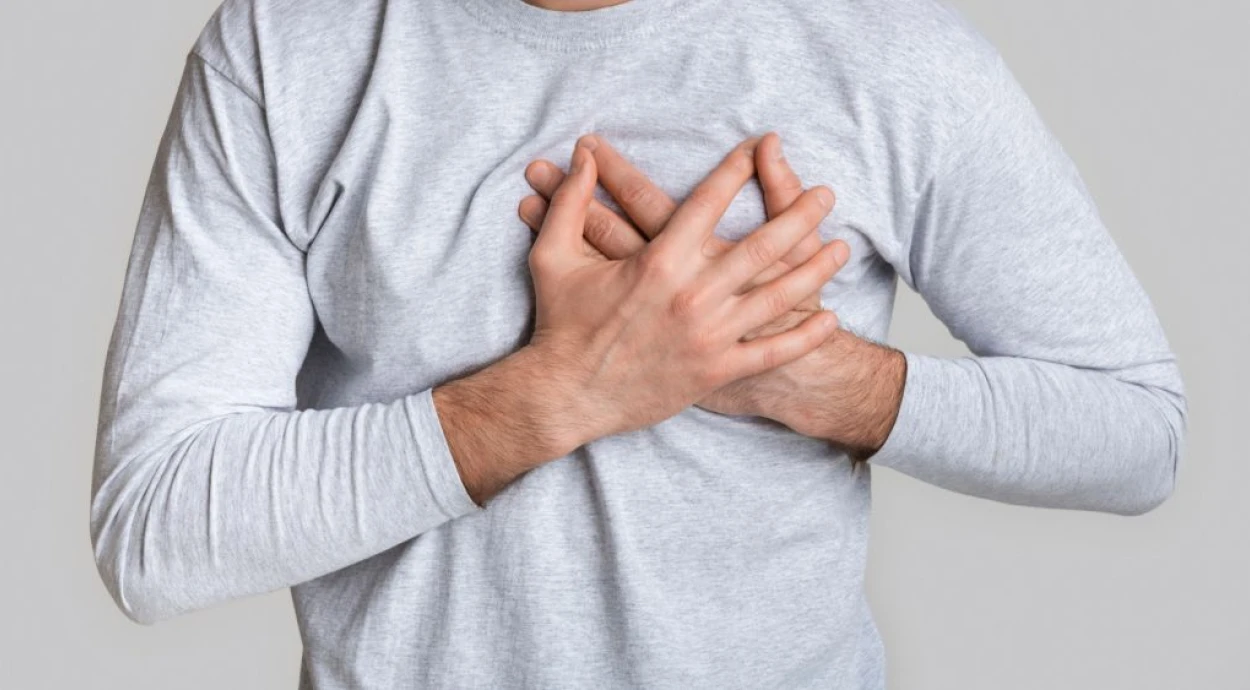
The COVID-19 pandemic has changed the lives of millions of people and affected their health, including the cardiovascular system. More and more patients turn to doctors with complaints of heart pain after having the virus or even during the illness. Why does this happen? What are the mechanisms of the coronavirus infection’s impact on the heart? And what should you do if your heart hurts after COVID? In this article, we will look at the main causes of such symptoms, possible complications, and prevention methods.
Can the Heart Hurt During Coronavirus?
Yes, the heart can hurt during coronavirus quite often, and there are several explanations for this.
Viral Invasion of Myocardial Cells
The virus uses ACE2 (angiotensin-converting enzyme 2) receptors to enter cells. These receptors are present not only in the lungs but also in the heart muscle. As a result, myocarditis can develop, accompanied by heart pain, arrhythmia, and heart failure.
Inflammation and Cytokine Storm
COVID-19 can cause an excessive immune response – a cytokine storm, when the body produces a large amount of pro-inflammatory proteins (cytokines). This leads to vascular damage, increased blood clotting, thrombosis, and impaired blood supply to the heart muscle.
Hypoxia and Its Effect on the Heart Muscle
Due to lung tissue damage, patients with COVID-19 have reduced oxygen levels in the blood. The heart is forced to work harder, which can cause myocardial ischemia or even a heart attack, especially in people with cardiovascular diseases.
Autonomic Nervous System Disorders
COVID-19 affects the autonomic nervous system, which can cause unstable heart rhythm, tachycardia, fluctuations in blood pressure, and general deterioration of well-being.
Why Does the Heart Hurt: Complications After COVID-19
Heart problems can occur not only during the illness but also after recovery. The most common complications after COVID include:
-
Myocarditis – inflammation of the heart muscle, manifested by chest pain, shortness of breath, and arrhythmia. This is one of the most dangerous complications, which can lead to chronic heart failure.
-
Pericarditis – inflammation of the pericardium, accompanied by sharp or aching heart pain that may worsen when inhaling.
-
Thrombosis and impaired blood supply to the heart. COVID-19 provokes hypercoagulation, which can lead to pulmonary embolism or even myocardial infarction.
If your heart hurts after COVID, it may be a sign of serious problems, so you should not ignore the symptoms – it is important to see a doctor and undergo an examination.
Can Heart Symptoms Be Related to Other Conditions After COVID-19?
Many patients complain of heart pain after COVID-19, but it is not always related to cardiac problems.
Post-COVID Syndrome
Even after recovery, many people experience shortness of breath, increased fatigue, and chest discomfort. This may be caused both by heart problems and by general weakness of the body after a severe illness.
Intercostal Neuralgia and Osteochondrosis
COVID-19 can provoke an exacerbation of chronic spine problems, causing chest pain. The difference from heart pain is that the sensations change with movement or when pressing on the ribs.
Panic Attacks and Psychosomatic Pain
Many people after COVID-19 experience increased anxiety, which can manifest as rapid heartbeat, shortness of breath, and stabbing chest pain. Such symptoms are often mistaken for heart problems.
How to Understand When Medical Help Is Needed?
If you experience the following symptoms, you should immediately consult a specialist:
-
Intense heart pain lasting more than a few minutes.
-
Feeling of squeezing or burning in the chest.
-
Heart rhythm disturbances (accelerated or slowed heartbeat).
-
Severe shortness of breath, especially at rest.
-
Dizziness, fainting, or sudden weakness.
Timely medical attention helps to avoid serious consequences and ensures effective treatment.
What Tests Should Be Done for Heart Pain After COVID-19?
If your heart hurts after COVID, it is important to see a cardiologist and undergo an examination to rule out serious complications. Depending on the indications, the doctor may prescribe:
-
Electrocardiogram (ECG) – detects heart rhythm disturbances and signs of ischemia.
-
Echocardiography (heart ultrasound) – assesses the structure of the heart, its contractile function, and possible inflammation.
-
Holter monitoring – helps detect periodic arrhythmias and heart rate variability.
-
Blood tests (troponins, D-dimer, C-reactive protein) – indicate myocardial damage, risk of thrombosis, and inflammation.
-
CT or MRI of the heart – used when myocarditis or pericarditis is suspected.
Cardiac Rehabilitation After COVID-19
Proper cardiac rehabilitation after COVID-19 helps reduce the risk of complications and restore normal cardiovascular function. The main measures include:
-
Control of physical activity. Gradual return to activity, avoiding overexertion and excessive heart strain.
-
Healthy diet. A diet rich in vitamins, minerals, and antioxidants strengthens the heart muscle.
-
Medication as prescribed by a doctor. Anticoagulants, beta-blockers, or other drugs may be recommended to support the heart.
-
Adequate oxygen level. Walks in fresh air, breathing exercises, and, if necessary, oxygen therapy.
-
Regular cardiologist monitoring. Regular visits to the doctor help control heart condition and detect possible abnormalities in time.
How Long Can Heart Problems Persist After COVID-19?
In most cases, symptoms resolve within 2–3 months, but in some people, complications after COVID may last longer.
-
Mild symptoms (shortness of breath, weakness) – may persist up to 3–6 months.
-
Inflammation of the heart muscle (myocarditis) – requires treatment and long-term monitoring (from 6 months to a year).
-
Increased risk of cardiovascular events (thrombosis, heart attacks) – persists for up to a year after illness.
It is important to gradually return to an active lifestyle and monitor heart condition with a cardiologist.
Prevention of Cardiac Complications in COVID-19
Simple preventive measures can help reduce the risk of developing heart problems:
-
Vaccination – reduces the likelihood of severe illness and complications.
-
Healthy lifestyle – proper nutrition, physical activity, and adequate sleep support the cardiovascular system.
-
Control of blood pressure and cholesterol. People with hypertension and high cholesterol are at higher risk of heart complications.
-
Protection from reinfection. Following safety measures, wearing masks, and hand hygiene help avoid disease recurrence.
-
Regular medical check-ups. Even if symptoms disappear, it is worth undergoing cardiological examinations to monitor heart condition.
Book a consultation with a cardiologist at Oxford Medical and get qualified help!
Frequently Asked Questions
Why does the heart hurt during COVID-19?
During COVID-19, the heart can hurt due to inflammation of the myocardium (myocarditis), impaired blood supply, increased workload, or due to blood thickening and clot formation. Heart pain may also be associated with general body intoxication.
What symptoms indicate serious complications?
Warning symptoms: severe heart pain that does not go away, shortness of breath even at rest, heart rhythm disturbances, dizziness, leg swelling. Dangerous signs also include severe weakness, pain in the left arm or jaw, which may indicate a heart attack.
Can there be long-term effects on the heart after coronavirus?
Yes, complications after COVID are possible: myocarditis, pericarditis, arrhythmias, thrombosis, chronic heart failure. Some symptoms, such as shortness of breath, fatigue, chest discomfort, may persist for several months, so it is important to monitor heart condition.