


correct the contours of the abdomen after significant weight loss and weight stabilization;
Immediately before the operation, the surgeon applies markings to the skin, which determine the areas of correction and the lines of future incisions.

 Adults Adults Adults Adults Adults Adults Adults Adults Adults
  Children Children Children Children


 Hotline:
 Adults Adults Adults Adults Adults Adults Adults Adults Adults Children Children Children Children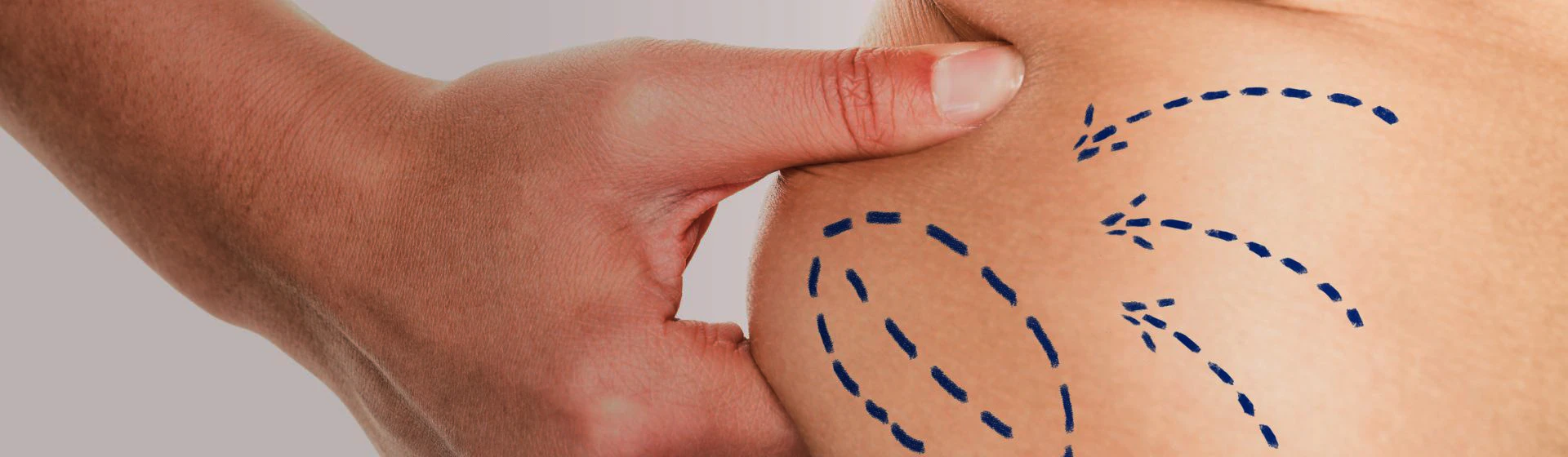

A toned abdomen and more harmonious body contours — a result that cannot always be achieved through exercise or proper nutrition alone. In such cases, abdominal abdominoplasty may be the optimal solution. The surgery helps eliminate localized fat deposits and excess skin to make the silhouette more toned and proportional.
At «Oxford Medical», the surgery is performed by highly qualified plastic surgeons with many years of practical experience. The method and extent of correction are determined individually, taking into account anatomical features and the desired result. The intervention is performed in a modern surgical inpatient facility equipped with expert-class equipment.
Would you like to have abdominal plastic surgery? Book a consultation with a plastic surgeon to discuss which correction option is suitable specifically in your case and what result can be expected.
Abdominoplasty is plastic surgery on the abdomen aimed at correcting the anterior abdominal wall and improving the contours of the abdomen. During the intervention, the surgeon can remove excess skin and localized fat deposits and, in the presence of diastasis, restore the correct position of the rectus abdominal muscles.
Such an abdominal lift helps make it flatter and more toned, and the contours of the figure more harmonious. The extent of the surgery depends on the severity of the changes and which specific structures require correction.
The type of abdominoplasty depends on the volume and location of localized fat deposits and the condition of the muscles of the anterior abdominal wall. During the consultation, the plastic surgeon assesses these features and selects the type of surgery that will help achieve the desired result.
The main types of abdominoplasty:
Classic abdominoplasty. It involves correction of the upper and lower abdomen, removal of excess skin and, if necessary, correction of rectus muscle diastasis. During such surgery, a new position of the navel is usually formed.
Mini abdominoplasty. It is suitable for correction mainly of the lower abdomen when excess skin is located below the navel. The incision is smaller, and repositioning of the navel is usually not required.
Extended abdominoplasty. It makes it possible to correct not only the front surface of the abdomen but also the side areas. This option is more often used when there is a more significant excess of skin, particularly after substantial weight loss.
Vertical abdominoplasty (fleur-de-lis). It involves a horizontal and an additional vertical incision. It is used when it is necessary to perform an abdominal skin lift simultaneously in the vertical and horizontal directions.
Abdominoplasty with liposuction. It combines an abdominal lift with the removal of localized fat deposits. Liposuction makes it possible to additionally correct the contours of the abdomen, waist, and adjacent areas.
Circumferential abdominoplasty. A more extensive intervention during which the correction covers the abdomen, side areas, and lower back around the circumference of the torso. It is most often considered after significant weight loss.
Doctors at “Oxford Medical” explain: not every patient needs a full abdominoplasty. With localized changes in the lower abdomen, mini abdominoplasty may be sufficient, whereas with significant excess skin after weight loss, extended, vertical, or circumferential correction may be considered.
Changes in abdominal contours may be associated with significant weight
fluctuations, pregnancy, age-related changes, or hormonal disorders.
Patients who want the following most often consult a plastic surgeon:


correct the contours of the abdomen after significant weight loss and weight stabilization;
eliminate rectus muscle diastasis and make the abdomen more toned;
remove stretch marks located on the area of skin that can be removed during the surgery;
correct localized fat deposits and excess tissue in the abdominal area.

In cases of obesity, abdominoplasty is often combined with liposuction. This makes it possible to simultaneously tighten the abdomen and make the contours more defined.
Abdominoplasty is a planned surgery, so before the intervention it is important to make sure that the state of health allows the patient to safely undergo anesthesia and postoperative recovery. In some cases, the surgery will have to be postponed, and in others, the condition must first be stabilized.
The main contraindications include:
acute infectious and inflammatory diseases;
severe blood clotting disorders;
decompensated diseases of the heart, lungs, kidneys, or liver;
pregnancy and the early postpartum period;
oncological diseases in the active phase of treatment;
an unstable condition in diabetes mellitus, when the glucose level is insufficiently controlled.
The presence of a chronic disease does not always mean that abdominoplasty will have to be refused. If the condition is well controlled, the surgery may be possible after the necessary examination and preparation.
Before the operation, the patient undergoes a consultation with a plastic surgeon. The doctor clarifies the wishes, assesses the condition of the skin, fat deposits and muscles of the anterior abdominal wall, determines the extent of the correction and explains how the operation and recovery will take place.
The main stages of abdominoplasty:
Immediately before the operation, the surgeon applies markings to the skin, which determine the areas of correction and the lines of future incisions.
General anesthesia is used.
The plastic surgeon makes a horizontal incision in the lower abdomen, often at the level of the pubic area. If necessary, an additional incision may be made around the navel.
The surgeon removes excess skin and fat from the abdomen.
The abdominal wall muscles are tightened and fixed in a new position.
Sutures are placed at the incision site, and a sterile bandage is placed over them.
Rehabilitation after surgery takes place in comfortable single or double wards of the Oxford Medical clinic, under the supervision of caring and qualified medical staff.
Usually, after a tummy tuck, the patient remains in the hospital for 1-2 days after the operation to monitor the condition and prevent complications. At this time, he may feel pain and discomfort in the area of the operation. To improve the condition, the doctor may prescribe painkillers.
After discharge from the hospital, it is recommended to:
Most patients can return to work 2-3 weeks after the operation, provided that the work does not require physical effort. Also, at this time, light physical exercises, such as walking or light gymnastics, can be gradually introduced, but any exercises that load the abdominal area should be avoided.
You can gradually return to your normal routine after 4-6 weeks. However, you should first be examined by a surgeon.
After abdominoplasty, swelling, moderate pain, a feeling of tissue tightness, and reduced skin sensitivity may normally persist during the first days and weeks. These manifestations gradually decrease as healing progresses.
The most common postoperative complications include:
seroma — an accumulation of fluid under the skin in the area of the surgery, which the doctor can remove if necessary;
hematoma — an accumulation of blood in the tissues, which may be accompanied by more pronounced swelling and pain;
slow wound healing — sometimes individual areas of the suture need more time to recover;
a noticeable scar — its appearance gradually changes over several months and largely depends on individual healing characteristics.
Doctors at “Oxford Medical” advise contacting the surgeon earlier than the scheduled examination if pain or swelling noticeably increases, unusual discharge from the wound appears, or the temperature rises. A timely examination makes it possible to quickly assess the situation and, if necessary, adjust the recovery process.
The price of abdominoplasty depends on its type and the extent of correction, as well as on the need to perform liposuction at the same time. You can find out in advance what the price of abdominoplasty is here. A plastic surgeon can more accurately guide you on this matter after conducting an examination and discussing the desired result. To schedule a consultation with a plastic surgeon, use the online appointment form on the website or contact the «Oxford Medical» contact center.
The information is for informational purposes only and does not replace a doctor's consultation.
Sources:
It is impossible to perform abdominoplasty completely without a suture, since an incision is required to remove excess tissues. After classic surgery, a horizontal scar remains in the lower abdomen, which can usually be hidden under underwear. With mini abdominoplasty, the incision is shorter, so the scar is usually smaller as well.
On average, abdominoplasty takes about 2–4 hours. The duration of the surgery depends on its extent, the need for diastasis correction, repositioning of the navel, and combination with liposuction.
Classic abdominoplasty makes it possible to correct both the upper and lower parts of the abdomen and, if necessary, eliminate diastasis. Mini abdominoplasty mainly covers the area below the navel, is performed through a shorter incision, and usually does not require repositioning of the navel.
Primary healing of the sutures usually takes about 2–3 weeks. At the same time, deeper tissues recover longer, and the scar gradually becomes softer and lighter over several months. The final appearance of the scar may take up to a year to form.
Yes, after abdominoplasty it is possible to become pregnant and give birth. The surgery does not affect reproductive function, but pregnancy can stretch the skin and abdominal muscles again and change the result of the correction. Therefore, when planning a pregnancy in the near future, it is better to postpone the surgery.


Experienced plastic surgeons. The clinic employs specialists with many years of practice who have trained abroad and continuously improve their skills at international conferences.
State-of-the-art expert-class equipment. The use of advanced surgical systems and instruments ensures high precision, minimal trauma, and maximum safety of procedures.
One-day surgeries. Most plastic surgeries last only a few hours and do not require hospitalization. Patients can return home the same day, saving valuable time.
Minimally invasive techniques. Surgeons use modern approaches with minimal incisions, which speeds up recovery and significantly reduces the risk of complications.
Transparency and treatment safety. Each patient receives a detailed explanation of the technique, expected results, and the cost of surgery. This builds trust and confidence in the chosen treatment.
Individual approach to each patient. Every surgery is carefully planned considering the patient’s appearance, health condition, and wishes, ensuring the most natural and harmonious result.

 4.88
4.88  26+
26+  4.87 20+
 20+ Years of experience
 4.9 21+ 21+ Years of experience
  Kyiv, st. Bereznyakivska, 30b
  4.85 40+ 40+ Years of experience



 in the clinic
  online
  Hello!


