Sign up via call center
Department
Facelift in the private clinic Oxford Medical Kyiv

Facelift

Cost of services
Consultations
Consultation with a plastic surgeon
1789.00 ₴
Order

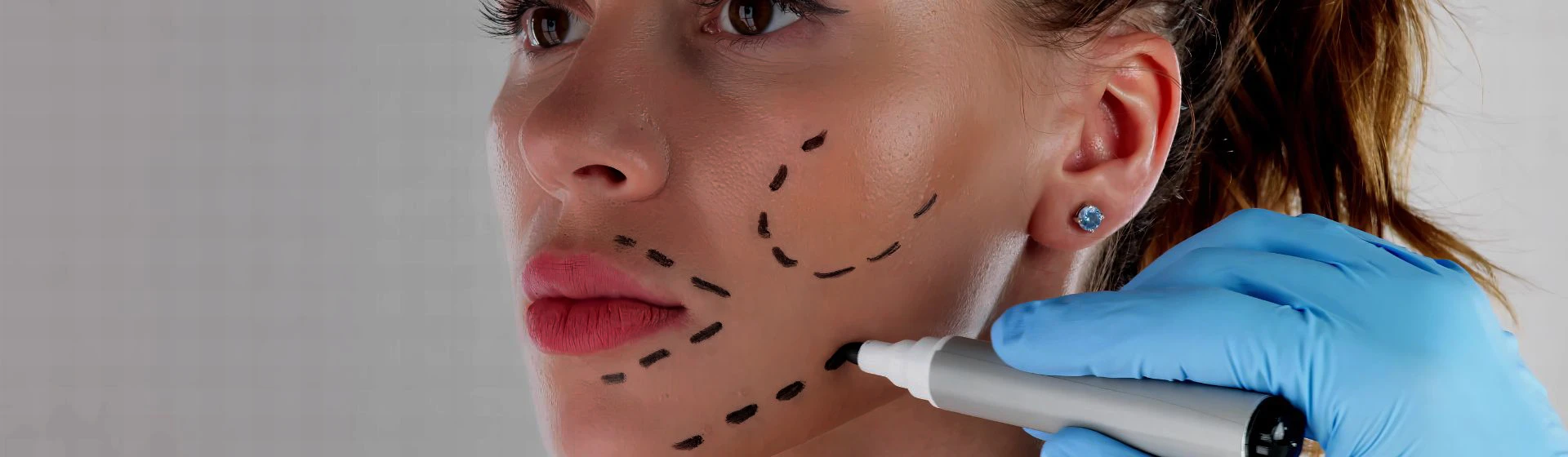
Would you like to make the facial oval more defined and the contours — more expressive and harmonious? One way to achieve such a result may be a facelift. The surgery makes it possible to correct age-related changes and make facial features more expressive.

At «Oxford Medical», surgeries are performed by plastic surgeons with many years of experience in a modern surgical inpatient facility. The method and extent of correction are selected so as to improve facial contours while preserving natural features and facial expressions.

To understand what changes can be achieved specifically in your case and which type of surgery will be most suitable, it is worth starting with a consultation with a plastic surgeon. The doctor will answer your questions and help you make a well-considered decision. You can make an appointment through the form on the website or the «Oxford Medical» contact center.

What Is a Facelift

A facelift — is a plastic surgery procedure aimed at lifting the face and correcting age-related changes. It helps reduce sagging skin and the prominence of folds, as well as improve the facial oval.

Modern facial lifting makes it possible to achieve a noticeable result without a drastic change in facial features. The goal of the surgery — is to preserve natural facial expressions and individual features of appearance.

Cost of services

A facelift may differ in the area of correction, the technique used, and the extent of the surgery. In some cases, it is sufficient to correct the lower third of the face, while in others — a comprehensive face and neck lift is appropriate. The optimal option depends on the severity of age-related changes and the result the patient wants to achieve.

By Area of Correction

Depending on the location of the main age-related changes, the following are performed:

  • a midface lift — helps correct tissue sagging in the cheek and cheekbone area;
  • a lower face lift — aimed at improving the contour of the lower jaw and the facial oval;
  • a face and neck lift — makes it possible to simultaneously correct the lower third of the face, the chin area, and the contours of the neck.

The correction areas can be combined within a single operation if age-related changes affect several areas of the face and neck.

By Method of Performance

Modern techniques differ primarily in the level at which the surgeon performs the correction:

  • SMAS facelift — involves working with the skin and the superficial musculoaponeurotic system. SMAS facial lifting is used to correct tissue sagging and improve the oval and contours of the lower third of the face.
  • Deep plane facelift — correction is performed in a deeper anatomical plane beneath the SMAS, which makes it possible to work with the tissues of the middle and lower thirds of the face as a single complex.

The choice of technique depends on facial anatomy, the severity of changes, and the planned extent of the lift. No method is universally better for all patients.

By Extent of Surgery

According to the extent of correction, the following are conventionally distinguished:

  • mini facelift — a less extensive intervention that is more often used for moderate changes in the lower third of the face;
  • full facelift — a more comprehensive surgery during which several areas are corrected for a more noticeable improvement in contours.

A general facelift can combine different techniques and cover several areas. The exact extent of the surgery is determined depending on which changes need to be corrected.

Indications for a Facelift

A facelift is performed when age-related changes already noticeably
affect the contours of the face and cosmetic procedures do not provide
the desired effect. A facial skin lift helps correct tissue sagging and make
the features more defined without changing their character.

The main indications may include:

poorly defined facial oval;

sagging of tissues in the cheek area;

pronounced nasolabial folds;

the appearance of jowls along the lower jaw;

sagging of tissues in the lower third of the face;

excess skin in the chin and neck area;

loss of definition of the cervicomental angle;

pronounced age-related changes that require comprehensive correction.

List of diseases

A facial oval lift may cover one or several areas — the exact extent of the surgery is determined depending on which changes concern the patient the most.

Contraindications to a Facelift

Most contraindications to a facelift are temporary. In such cases, the surgery is postponed.

Temporary contraindications include:

  • acute infectious diseases;
  • exacerbation of chronic diseases;
  • inflammatory processes or skin damage in the area of the future surgery;
  • uncontrolled diabetes mellitus;
  • pregnancy and the breastfeeding period.

After temporary contraindications have been eliminated, the surgery can be planned.

Absolute contraindications are severe decompensated diseases of the heart, lungs, and other internal organs, as well as uncorrected blood clotting disorders in which surgical intervention and anesthesia are associated with a high risk to health.

Preparation for Facelift Surgery

Preparation begins with a consultation with a plastic surgeon, during which the surgeon assesses the condition of the skin, the severity of age-related changes, and the contours of the face. At this stage, it is determined what extent of intervention will be sufficient and which methods of facial contour correction are better to use in order to achieve a natural result.

Before surgery, it is necessary to undergo a preoperative examination. It usually includes:

  • a general blood and urine test;
  • a biochemical blood test;
  • a coagulation test;
  • testing for HIV, syphilis, hepatitis B and C;
  • an electrocardiogram;
  • additional examinations if indicated.

The doctor also clarifies information about chronic diseases, previous surgeries, and allergic reactions. A surgical facelift is performed after a preoperative examination and exclusion of contraindications.

Since the intervention is performed under general anesthesia, no food should be consumed for 8 hours before the surgery, and drinking clean still water should be stopped 2 hours before. Before hospitalization, the patient receives all the necessary recommendations regarding preparation.

How a Facelift Is Performed

At «Oxford Medical», facelifts are performed by plastic surgeons with many years of experience in a modern high-tech surgical inpatient facility. The operating rooms are equipped with expert-class equipment that helps surgeons accurately perform the planned manipulations and anesthesiologists — continuously monitor the patient's condition during surgery.

The main stages of the surgery:

  • Anesthesia. A facelift is performed under general anesthesia. Throughout the entire surgery, the anesthesiologist monitors breathing, heart rhythm, blood pressure, and other main indicators.
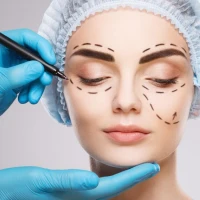
  • Incisions. They are placed in natural folds near the ears and along the hairline so that the scars remain barely noticeable after healing. When correcting the neck, an additional small incision under the chin may be required.
  • Lift. The surgeon corrects the position of the soft tissues and, depending on the selected technique, works with the deeper structures of the face. After that, the surgeon removes excess skin and forms more defined contours.
  • Completion of the surgery. The incisions are sutured and a dressing is applied. If necessary, thin drains are placed to remove fluid during the first hours after the intervention.

If necessary, a facelift can be combined with other plastic surgeries, for example, with blepharoplasty — correction of the upper or lower eyelids. Such a combination makes it possible to correct several age-related changes of the face during one surgery.

Recovery After a Facelift

After a facelift, the patient usually remains in the inpatient facility for 1–2 days. At «Oxford Medical», comfortable single and double rooms are provided for postoperative recovery. During this time, the medical staff monitors the patient's well-being, performs the necessary dressings, and follows the course of early recovery.

During the first 2–3 days, swelling, bruising, moderate soreness, and a feeling of skin tightness may occur. Then these manifestations gradually decrease. Approximately 7–14 days later, the sutures are removed during a follow-up examination.

During the recovery period, it is recommended to:

  • sleep on your back with your head slightly elevated for the first 1–2 weeks;
  • wear a compression or fixation bandage if prescribed by the surgeon;
  • avoid sudden bending and significant physical activity during the first weeks;
  • not visit a sauna or bathhouse and not take hot baths;
  • protect postoperative scars from the sun;
  • return to intensive training approximately 4–6 weeks later;
  • attend follow-up examinations on the designated days.

Doctors at «Oxford Medical» explain: after 2–3 weeks, swelling and bruising have already decreased significantly, so the result of the surgery becomes more noticeable. Subsequently, the contours continue to gradually form as the tissues fully recover.

Possible Complications After a Facelift

Complications after a facelift occur infrequently, but it is impossible to completely exclude risks, as with any surgical intervention. That is why thorough preparation, proper planning of the surgery, and adherence to recommendations during the recovery period are of great importance.

At «Oxford Medical», before a facelift, the patient undergoes a comprehensive preoperative examination. The surgery is planned taking into account the state of health, anatomical features, and the required extent of correction. Facelifts are performed by plastic surgeons with more than 20 and 30 years of professional experience in modern operating rooms equipped with expert-class equipment. This approach helps to minimize risks at all stages of treatment.

Possible complications include:

  • bleeding or hematoma formation;
  • infection of the postoperative area;
  • prolonged or uneven swelling;
  • temporary numbness or changes in skin sensitivity;
  • delayed healing of incisions;
  • noticeable or thickened scars;
  • asymmetry of contours;
  • temporary thinning of hair near the incision lines;
  • in rare cases — damage to branches of the facial nerve with impaired facial expressions.

After discharge, it is important to follow the surgeon’s recommendations regarding care, physical activity, and follow-up examinations. This also helps reduce the risk of postoperative complications and ensure normal healing.

Doctors at «Oxford Medical» advise contacting the surgeon earlier than the scheduled examination if pain or swelling suddenly increases, bleeding appears, the temperature rises, or well-being noticeably worsens. Such symptoms may indicate the development of complications.

How Much Does a Facelift Cost in Kyiv at the Private Clinic «Oxford Medical»

The price of a facelift depends on the extent of the surgery, the area of correction, and the selected surgical technique. A plastic surgeon can accurately guide you regarding the cost during a consultation after an examination and determination of the surgical plan.

The current cost of the consultation can be viewed here. To make an appointment at «Oxford Medical», use the online appointment form on the website or contact the contact center.

The information is for informational purposes only and does not replace a consultation with a doctor.

Sources:

Frequently asked questions

Can a Facelift Be Performed After SMAS Lifting?

Yes, a surgical facelift can be performed after non-surgical SMAS lifting. It is important that the tissues fully recover after the previous procedure. Therefore, during the consultation, the plastic surgeon takes into account when and by which method the SMAS lifting was performed and determines the optimal time for the surgery.

Do You Need to Lose Weight Before a Facelift?

There is no need to lose weight specifically before a facelift. It is advisable for your weight to be stable at the time of surgery. If you are planning significant weight loss, it is better to first reach your desired weight, since a substantial decrease in weight after surgery may affect the contours of the face.

Where Do Scars Remain After a Facelift?

The incisions are usually placed along the hairline, in the natural folds near the ear, and behind the auricle. With a neck lift, there may be an additional small incision under the chin. As healing progresses, the scars gradually become lighter and less noticeable.

When Can You Wash Your Hair After a Facelift?

Usually, you can carefully wash your hair 2–3 days after surgery, unless the surgeon has recommended otherwise. The water should be warm, and the movements — gentle: you should not rub the skin near the sutures or direct a strong stream of water at them.

At What Age Is It Better to Have a Facelift?

There is no strict age limit for a facelift. Most often, the surgery is considered after the age of 40–45, when changes in the facial oval and tissue sagging become noticeable. At the same time, the decision depends not so much on age as on the condition of the skin, anatomical features, and the severity of the changes.

( Rating: 4.91 , Votes: 517 )

Advantages of Plastic Surgery at Oxford Medical

Experienced plastic surgeons. The clinic employs specialists with many years of practice who have trained abroad and continuously improve their skills at international conferences.


State-of-the-art expert-class equipment. The use of advanced surgical systems and instruments ensures high precision, minimal trauma, and maximum safety of procedures.


One-day surgeries. Most plastic surgeries last only a few hours and do not require hospitalization. Patients can return home the same day, saving valuable time.


Minimally invasive techniques. Surgeons use modern approaches with minimal incisions, which speeds up recovery and significantly reduces the risk of complications.


Transparency and treatment safety. Each patient receives a detailed explanation of the technique, expected results, and the cost of surgery. This builds trust and confidence in the chosen treatment.


Individual approach to each patient. Every surgery is carefully planned considering the patient’s appearance, health condition, and wishes, ensuring the most natural and harmonious result.

Our doctors

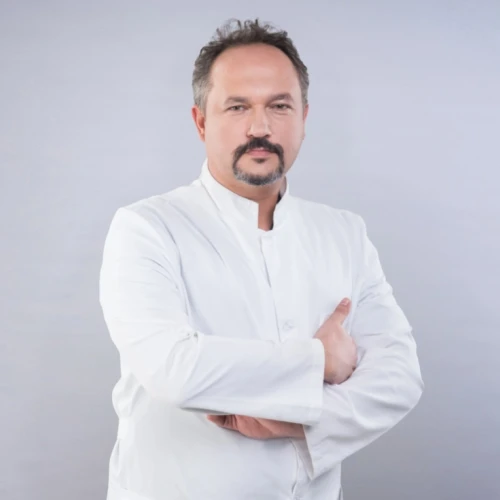
Pirus Volodymyr Petrovych
4.88
rating (24)
26+
Years of experience
Plastic Surgeon, Master of Medicine
26+ Years of experience
Consultation 3100
Make an appointment
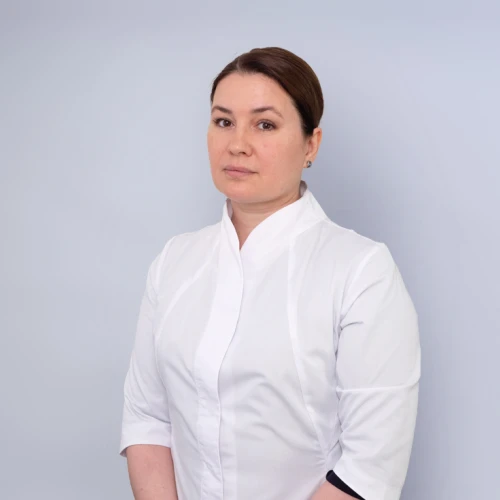
Gindich Olga Andriivna
4.87
rating (23)
20+
Years of experience
Online consultation
Doctor, plastic surgeon of the highest category, Candidate of Medical Sciences, member of ISAPS.
20+ Years of experience
Consultation 1789
Make an appointment
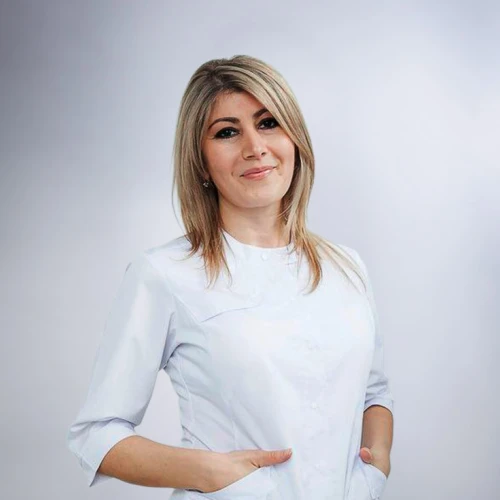
Samko Kristina Artakivna – plastic surgeon at the Oxford Medical Kyiv private clinic
4.9
rating (21)
21+
Years of experience
Doctor, plastic surgeon of the highest category
21+ Years of experience
Consultation 1789
Make an appointment
Serhiy Petrovych Galich – Plastic surgeon, Doctor of Medical Sciences, Oxford Medical Kyiv private clinic
4.85
rating (13)
40+
Years of experience
Plastic surgeon, Doctor of Medical Sciences
40+ Years of experience
Consultation 1789
Make an appointment
All doctors
Reviews
Александра 14.08.2026
У меня была асимметрия губ из-за введения геля тридцать лет назад. Но долгое время я не обращала на это внимания, пока не начала снимать себя на камеру для ведения блога. Именно тогда я увидела, насколько заметна эта проблема. Я решила удалить старый гель, но столкнулась с тем, что никто не хотел за это браться. Говорили, что это очень сложная операция, и что ещё нужно постараться найти хирурга, который согласится её выполнить. Но мне повезло — я нашла клинику рядом с домом. На консультации Самко Кристина и Сергей Петрович Галич подробно рассказали, как будет проходить операция, и тогда я решила не откладывать давнюю мечту — одновременно сделать круговую блефаропластику. Подумала, что лучше решить сразу обе проблемы, так как был общий наркоз. Операция прошла успешно, а результат превзошёл мои ожидания. В день, когда сняли швы, я поняла, что ничего не будет видно. Прошло только два месяца, но уже вижу результат. Отдельная благодарность анестезиологу, я проснулась через три часа и пошла домой.
Star Star Star Star Star
Олена 15.06.2026
Після схуднення залишилася проблема, яка дуже впливала на мою впевненість у собі. Крістіна Артаківна допомогла її вирішити, детально пояснила всі етапи лікування та супроводжувала під час відновлення. Результатом дуже задоволена.
Star Star Star Star Star
Current information
All Articles
Sign up
in the clinic
online
This site is protected by reCAPTCHA technology, and the Google Privacy Policy and Terms of Service apply.
Hello!
Let's take care
about your health:
Sign up via call center

We use cookies and other technologies to remember your preferences and find out exactly how you use and interact with the site.

By using our site, you also agree to the terms of the "User Agreement" and "Regulation on the processing and protection of personal data". By clicking "I AGREE", you consent to the processing of your data.