




Most aesthetic plastic surgeries are performed on patients aged 18 and older. There is no upper age limit; what matters is overall health and the absence of contraindications. Surgery can be performed at any time of year, but autumn and winter are often more convenient for recovery due to reduced sun exposure and cooler temperatures.
Sign up via call center 
 Adults Adults Adults Adults Adults Adults Adults Adults Adults
  Children Children Children Children
Department
Adults Outpatient department
Adults Outpatient department
Inpatient department
Adults Inpatient department
Aesthetic medicine
Adults Aesthetic medicine
Dentistry
Adults Dentistry
Plastic surgery
Adults Plastic surgery
Diagnostics
Adults Diagnostics
Analyzes
Adults Analyzes
Outbound services
Adults Outbound services
Children Outpatient department
Children Outpatient department
Dentistry
Children Dentistry
Diagnostics
Children Diagnostics

Kyiv


 Hotline:
 Request a call:


Department
Adults Outpatient department
Adults Outpatient department
Inpatient department
Adults Inpatient department
Aesthetic medicine
Adults Aesthetic medicine
Dentistry
Adults Dentistry
Plastic surgery
Adults Plastic surgery
Diagnostics
Adults Diagnostics
Analyzes
Adults Analyzes
Outbound services
Adults Outbound services
Children Outpatient department
Children Outpatient department
Dentistry
Children Dentistry
Diagnostics
Children Diagnostics
Plastic Surgery
Expertise
20 years
Patients per year
738
Services
1 573
In plastic surgery, trust in the surgeon is of particular importance, as the result of the operation largely depends on their experience and professionalism. At «Oxford Medical», highly qualified specialists with extensive practical experience work and apply modern techniques. They pay close attention to the patient's wishes and plan each intervention in detail so that the result looks natural and meets expectations.
Operations are performed in a modern surgical inpatient facility equipped with expert-class equipment. High-quality anesthesiological support, postoperative monitoring, and comfortable recovery conditions help patients go through all stages of treatment calmly and safely.
If you are planning to undergo plastic surgery in Kyiv, make an appointment for a consultation with a plastic surgeon at «Oxford Medical». The doctor will perform an examination and help you make an informed decision.
Read more

Upcoming plastic surgeon consultation hours
 Looking for a place to record...
 Sorry, there are currently no available places to register in this direction.
Try again later. Sign up for the next time
Try again later. Sign up for the next time

Cost of services
Services

Consultation with a plastic surgeon
1789.00 ₴
Our doctors
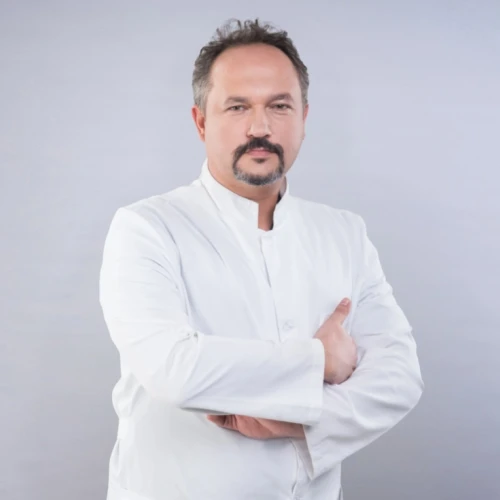
 4.88
4.88  26+
26+ 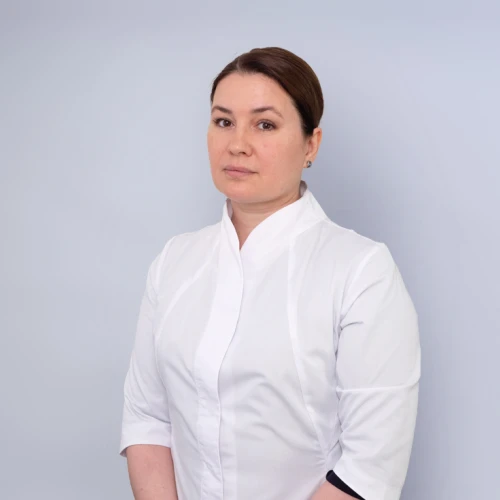 4.87 20+
Doctor, plastic surgeon of the highest category, Candidate of Medical Sciences, member of ISAPS.
 20+ Years of experience
 Consultation 1789
Make an appointment 
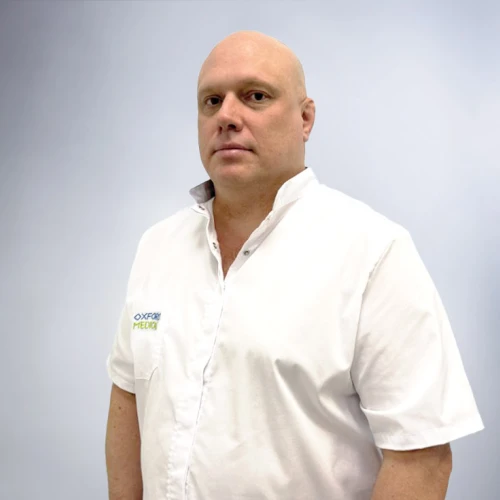 4.86 23+
 Urologist-andrologist, sexologist, genital surgeon, candidate of medical sciences, leading specialist of the Oxford Medical clinic
23+ Years of experience Consultation 1200
Make an appointment 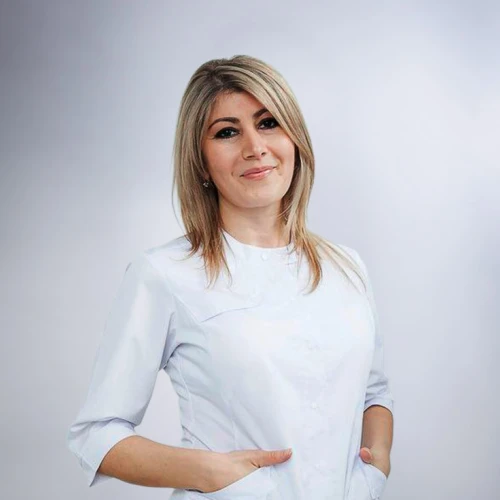 4.9 21+
 Doctor, plastic surgeon of the highest category
21+ Years of experience Consultation 1789
 Kyiv, st. Bereznyakivska, 30b
When to consult a plastic surgeon
A consultation with a plastic surgeon is not necessary only when a decision to undergo surgery has already been made. During the appointment, you can discuss desired changes, find out which plastic surgery procedures might be suitable for your specific case, explore potential results, and learn what the recovery process entails.

Medical indications
Plastic surgery may be necessary not only for aesthetic reasons but also to restore appearance and functions after diseases, injuries, or previous treatment. Medical indications may include:
- congenital deformities and anatomical features that cause functional disorders or physical discomfort;
- consequences of injuries, burns, and other damage;
- pronounced scars and scar deformities that restrict mobility or cause discomfort;
- defects and changes in appearance after previous operations;
- the need to restore the shape of the mammary gland after mastectomy or other surgical interventions on the breast.
Unlike general surgery, where the necessity of an operation is often determined by a specific disease and medical indications, in plastic surgery it is also important to take into account the patient's expectations and the actual possibilities of correction.
Aesthetic reasons
People also consult a plastic surgeon when they want to correct certain features of their appearance or changes that have appeared with age, after pregnancy, or significant weight fluctuations. Reasons for a consultation may include:
- age-related changes in the face and body;
- changes in body contours after pregnancy or weight loss;
- asymmetry or disproportions of individual features;
- features of appearance that a person wants to change for a more harmonious look.
During the consultation, the surgeon carefully asks the patient about their wishes, assesses anatomical features, and explains what changes can realistically be achieved with the help of surgery.
The specialists at «Oxford Medical» note: not every aesthetic problem requires surgical intervention. Non-surgical methods may be suitable for some changes — for example, injectable cosmetology or device-based procedures. During the consultation, it is possible to determine which approach will be appropriate, taking into account the desired changes and the capabilities of each method.
 More
More 

Advantages of Plastic Surgery at Oxford Medical

Experienced plastic surgeons. The clinic employs specialists with many years of practice who have trained abroad and continuously improve their skills at international conferences.
State-of-the-art expert-class equipment. The use of advanced surgical systems and instruments ensures high precision, minimal trauma, and maximum safety of procedures.
One-day surgeries. Most plastic surgeries last only a few hours and do not require hospitalization. Patients can return home the same day, saving valuable time.
Minimally invasive techniques. Surgeons use modern approaches with minimal incisions, which speeds up recovery and significantly reduces the risk of complications.
Transparency and treatment safety. Each patient receives a detailed explanation of the technique, expected results, and the cost of surgery. This builds trust and confidence in the chosen treatment.
Individual approach to each patient. Every surgery is carefully planned considering the patient’s appearance, health condition, and wishes, ensuring the most natural and harmonious result.
Show more 
We are contacted
Show more
What plastic surgery procedures are performed at Oxford Medical?
At «Oxford Medical», operations are performed for aesthetic correction of the face and body, as well as to eliminate the consequences of injuries and previous interventions.
The main areas include:
- blepharoplasty — correction of the upper and lower eyelids;
- mammoplasty — breast augmentation, reduction, or lifting;
- rhinoplasty — correction of the shape of the nose;
- facelift — surgical correction of pronounced age-related changes;
- liposuction — removal of localized fat deposits and correction of body contours;
- abdominoplasty — correction of the anterior abdominal wall;
- otoplasty — correction of the shape and position of the auricles;
- lipofilling — correction of the volume of individual areas using the patient's own adipose tissue;
- surgical removal of scars and scar tissue — correction of postoperative, post-traumatic, and other pronounced scar changes.
At «Oxford Medical», other plastic surgeries are also performed. During the consultation, the surgeon will help determine which intervention best meets your request and the expected result.
Preparation for plastic surgery
Preparation begins with a consultation. The plastic surgeon discusses the desired result with the patient, assesses anatomical features, determines the extent of the intervention, and explains how the operation and recovery will proceed.
Before minor interventions, the scope of the examination may be minimal. If a major plastic surgery under general anesthesia is planned, a more comprehensive preoperative examination is required to assess heart function, blood clotting, hemoglobin levels, and other indicators important for the safe performance of the operation.
Before the intervention, the following may be required:
- a complete blood count — to assess hemoglobin levels, signs of anemia or an inflammatory process;
- a biochemical blood test — to assess liver function, kidney function, glucose levels, and other indicators;
- a coagulogram — to check blood clotting, especially before extensive operations;
- electrocardiography — usually before operations under general anesthesia, especially in older patients or those with cardiovascular diseases;
- ultrasound or mammography of the mammary glands — before breast operations, depending on age and the condition of the mammary glands;
- additional examinations if they are required by the specific type of operation or the patient's state of health.
Before the operation, it is important to tell the doctor and anesthesiologist about all medications that you take regularly. Some medications may affect blood clotting, blood sugar levels, or interact with drugs used for anesthesia, so even before the operation, it is agreed which of them should continue to be taken according to the usual regimen and for which the regimen needs to be temporarily changed.
It is advisable not to consume alcohol for several days before the intervention. On the day before the operation, it is better to choose light food and not overeat. If general anesthesia is planned, solid food is usually stopped 6–8 hours before the operation. Water, tea, or coffee without milk can usually be consumed no later than 2 hours before anesthesia. After that, eating and drinking are not allowed.
«Oxford Medical» — is more than a plastic surgery clinic. At the multidisciplinary medical center, patients can undergo consultations with the necessary specialists, preoperative examinations, the operation itself, and subsequent monitoring — all in one place and under the supervision of an experienced medical team.
What is the cost of plastic surgery services at the private clinic "Oxford Medical" in Kyiv?
Prices for plastic surgeries depend on their type and complexity. You can clarify the cost in advance by contacting the contact center at the numbers listed on the website. The doctor will provide you with more precise information about prices during the consultation. You can find out the cost of a consultation with a plastic surgeon here.
During the appointment, you can also discuss possible options for the operation, the extent of the intervention, and the specifics of the upcoming recovery. To make an appointment for a consultation with a plastic surgeon, use the online appointment form on the website or call the contact center.
The information is for informational purposes and does not replace a doctor's consultation.
Sources:
Diplomas and certificates






Reviews
Александра 14.08.2026
У меня была асимметрия губ из-за введения геля тридцать лет назад. Но долгое время я не обращала на это внимания, пока не начала снимать себя на камеру для ведения блога. Именно тогда я увидела, насколько заметна эта проблема. Я решила удалить старый гель, но столкнулась с тем, что никто не хотел за это браться. Говорили, что это очень сложная операция, и что ещё нужно постараться найти хирурга, который согласится её выполнить. Но мне повезло — я нашла клинику рядом с домом. На консультации Самко Кристина и Сергей Петрович Галич подробно рассказали, как будет проходить операция, и тогда я решила не откладывать давнюю мечту — одновременно сделать круговую блефаропластику. Подумала, что лучше решить сразу обе проблемы, так как был общий наркоз. Операция прошла успешно, а результат превзошёл мои ожидания. В день, когда сняли швы, я поняла, что ничего не будет видно. Прошло только два месяца, но уже вижу результат. Отдельная благодарность анестезиологу, я проснулась через три часа и пошла домой.

Олена 15.06.2026
Після схуднення залишилася проблема, яка дуже впливала на мою впевненість у собі. Крістіна Артаківна допомогла її вирішити, детально пояснила всі етапи лікування та супроводжувала під час відновлення. Результатом дуже задоволена.
Current information

07 September 2026
Deviated nasal septum: causes, diagnosis and treatment
03 April 2025
06 March 2025
Lunch Break Surgery: Which Plastic Surgeries Can Be Done Together
Frequently asked questions
When is the best time to have plastic surgery?
Can you have plastic surgery during your period?
Menstruation in itself is not an absolute contraindication for plastic surgery. However, in cases of heavy flow, severe pain, weakness, or changes in blood test results, the scheduled procedure may be postponed. The final decision is made based on the patient's well-being, test results, and the scope of the surgery.
Do scars remain after plastic surgery?
Yes, a scar forms after any surgical incision. Plastic surgeons aim to place incisions within natural skin folds or inconspicuous areas and employ precise suturing techniques. Over time, scars fade and become less noticeable.
Sign up
 in the clinic
  online
  Hello!
Let's take care
about your health:
Sign up via call center 
