In winter, due to windy cold weather, falls on slippery sidewalks, and an increase in colds and viruses, the risk of developing neuralgia rises.
In winter, the risk of neuralgia also grows because of the aftereffects of holidays with alcohol overuse and the constant stress Ukrainians experience.
How not to harm yourself with self-medication and prevent pain is explained by neurologist of the “Oxford Medical” clinic, Viktoria Prytyka.
What Is Neuralgia
Simply put, it is inflammation of a nerve. Peripheral nerves affected for one reason or another cause attacks of pain in the innervation zone (organs, tissues, or muscles where the nerve fibers pass). Thus, neuralgia can practically occur in any part of the body.
Sudden severe pain often misleads a person: it may be mistaken for a heart attack, infarction, migraine, pancreatitis, kidney problems, pneumonia, or even a tumor in the chest.
Patients often ask how to distinguish neuralgia from heart pain. During a heart attack, blood pressure decreases, arrhythmia, cold sweat, and skin pallor appear. In case of nerve damage, overall well-being hardly changes.
What Can Lead to Nerve Damage
Among the most common causes, the expert lists:
-
hypothermia;
-
viral and infectious diseases;
-
injuries;
-
tumors;
-
spinal pathology (various pinched nerves, scoliosis, hernias);
-
chronic stress;
-
the toxic effect of alcohol;
-
vitamin B deficiency.
As we can see, the spectrum is quite wide, so it is not always possible to independently determine the factor that led to inflammation or irritation of the nerve. For example, past herpes infection, tumor growth, untreated teeth, or the habit of walking in winter without a hat can provoke pain in the facial area (in this case, the trigeminal nerve is affected). Moreover, if no measures are taken, the disease may turn chronic and bother a person several times a year.
What Symptoms Require a Doctor Visit
Neuralgia manifests itself differently. It can be:
-
acute, strong, paroxysmal pain in the same place that appears and disappears;
-
constant burning pain, which periodically intensifies from movement, coughing, drafts, etc.;
-
increased skin sensitivity along the damaged nerve, so any touch or pressure is perceived as pain;
-
numbness, tingling, sensations like crawling ants.
Pain can last from a few seconds to several hours or more. Therefore, if within a day or two the symptoms do not subside, consult a neurologist who will differentiate the cause of inflammation and prescribe effective treatment.
Localization
The most frequently diagnosed types of neuralgia are:
-
trigeminal nerve. Periodic pain is localized in the facial area. It can be provoked by a light touch, cold or hot food, tooth brushing, even a flash of light! A characteristic symptom is uncontrolled contraction of facial muscles;
-
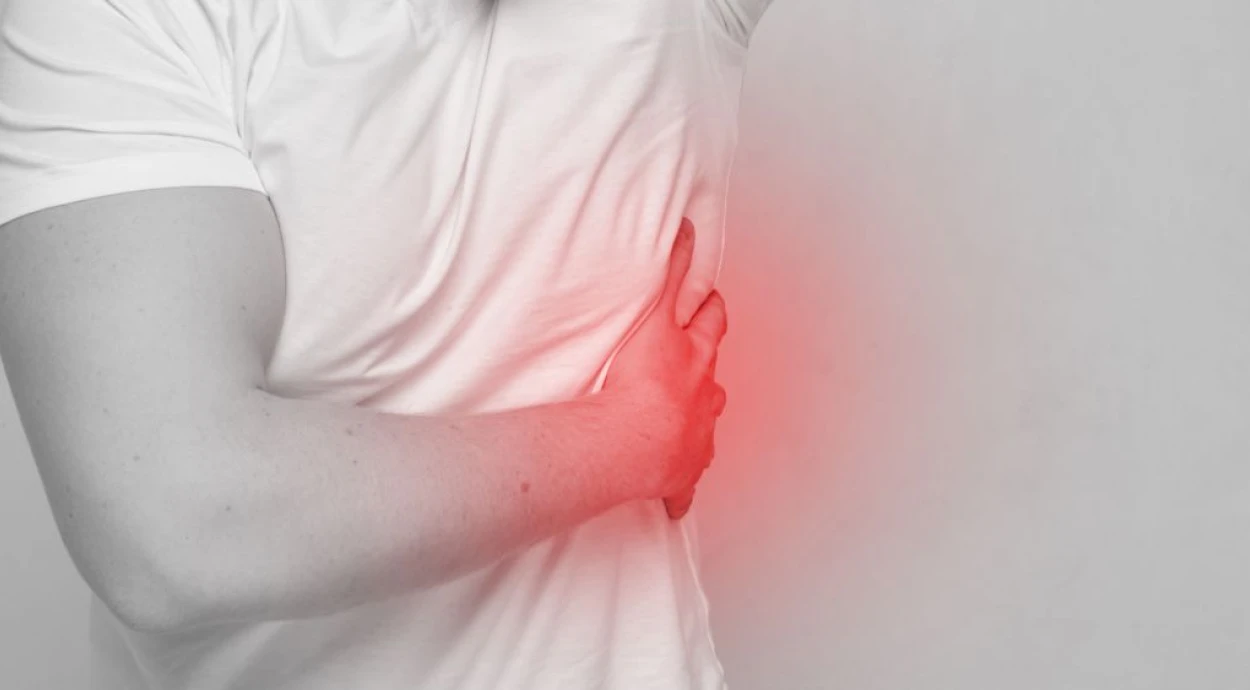
intercostal. Shingles-like pain in the rib area intensifies during sneezing, coughing, torso turns, deep breathing;
-
occipital nerve. Pain spreads in the occipital and temporal zones during head movements and may be accompanied by dizziness, nausea, vomiting.
There are also other localizations of neuralgia, for example: in the thigh (femoral nerve), when this area goes numb, the skin burns, and during movement pain radiates to the groin or knee; pterygopalatine ganglion, when painful sensations arise in the neck, palate, eyes, temples; glossopharyngeal zone – the tongue and throat hurt, and taste perception is disturbed.
Diagnosis and Treatment
First of all, the neurologist collects anamnesis, asking the patient where, how, and when it hurts, for how long, and what preceded it. Then the doctor examines the patient and conducts a number of diagnostic procedures, which may include:
-
complete blood count, blood sugar level;
-
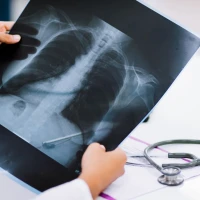
X-ray, ECG;
-
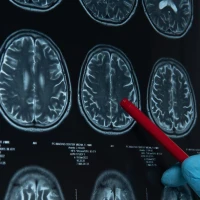
CT or MRI;
-
electroneuromyography (detects dysfunction of nerve fibers and muscles).
Treatment depends on the causes of the disease. Nonsteroidal anti-inflammatory drugs, muscle relaxants (medications that reduce muscle tone), pain therapy, anticonvulsants, etc., are prescribed.
General recommendations include physiotherapy procedures: electrophoresis, magnetotherapy, reflexology, massage.
Surgical treatment is used in cases of nerve root compression by tumors or anatomical defects.
The expert warns: “Ignoring the problem or self-administration of painkillers may mask the symptoms, while the disease continues to progress. Nerve damage threatens with serious consequences and prolonged recovery.”
Therefore, it is better to see a doctor in time to determine the cause of neuralgia and prescribe appropriate treatment.
To prevent nerve inflammation, the specialist recommends protecting yourself from hypothermia and injuries, avoiding excessive physical exertion, necessarily treating infectious and viral diseases, giving up bad habits, and regularly undergoing routine medical examinations.
Read the full version of the article here: https://tsn.ua/lady/zdorovye/aktualnaya-tema/scho-robiti-pri-nevralgiyi-do-kogo-zvertatisya-ta-yak-likuvati-2750964.html
Published: 24.04.2025
Updated: 24.04.2025