Fluorography is one of the most common methods of diagnosing the organs of the chest, allowing pathological processes to be detected at early stages. This method is used for population screening, as it is fast, accessible, and effective in detecting such diseases as tuberculosis, pneumonia, tumor processes, and others.
In this article, we will explain what fluorography is, in which cases it is necessary, how to prepare for the examination, and what the results mean.
What is Fluorography?
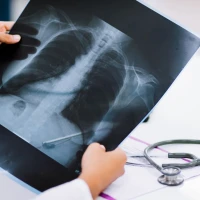
Fluorography is a radiological examination method used to assess the condition of the organs of the chest. Its principle is based on the passage of X-rays through body tissues and the formation of an image on film or in digital format.
There are two main types of fluorography:
-
Film fluorography – an outdated method in which the image is printed on special film.
-
Digital fluorography – a modern type of examination that provides high-quality images, reduces radiation exposure to the body, and allows results to be stored electronically.
Fluorography is the main method of mass screening of the population for tuberculosis, oncological pathologies, and other lung diseases.
When and Why Fluorography is Prescribed
Fluorography is a mandatory examination. It can be prescribed both for preventive purposes and for disease diagnosis.
Who needs fluorography:
-
All adults once a year as part of a preventive examination.
-
People who have been in contact with tuberculosis patients.
-
Patients with chronic lung diseases.
-
Workers in healthcare, education, and the food industry.
-
Smokers and people at increased risk of respiratory diseases.
Fluorography helps to detect serious pathologies in time and begin necessary treatment.
When fluorography is performed:
-
during an annual medical check-up;
-
in cases of suspected tuberculosis or pneumonia;
-
to monitor the condition of the lungs after illness;
-
before planned hospitalization or surgery;
-
by referral from a doctor for prolonged cough, shortness of breath, or chest pain.
How to Prepare for Fluorography
Fluorographic examination does not require complex preparation. However, to obtain high-quality images, it is worth following several recommendations:
-
Before the examination, remove metal jewelry and accessories in the chest area.
-
Avoid alcohol consumption and smoking before the procedure, as they may affect the respiratory system.
-
Women should inform the doctor if they are pregnant. Fluorography is not recommended during pregnancy, since X-ray exposure can negatively affect fetal development.
Following these simple rules will help you undergo the examination quickly and without discomfort.
How the Fluorography Procedure is Performed
Fluorographic examination takes only a few minutes and consists of the following stages:
-
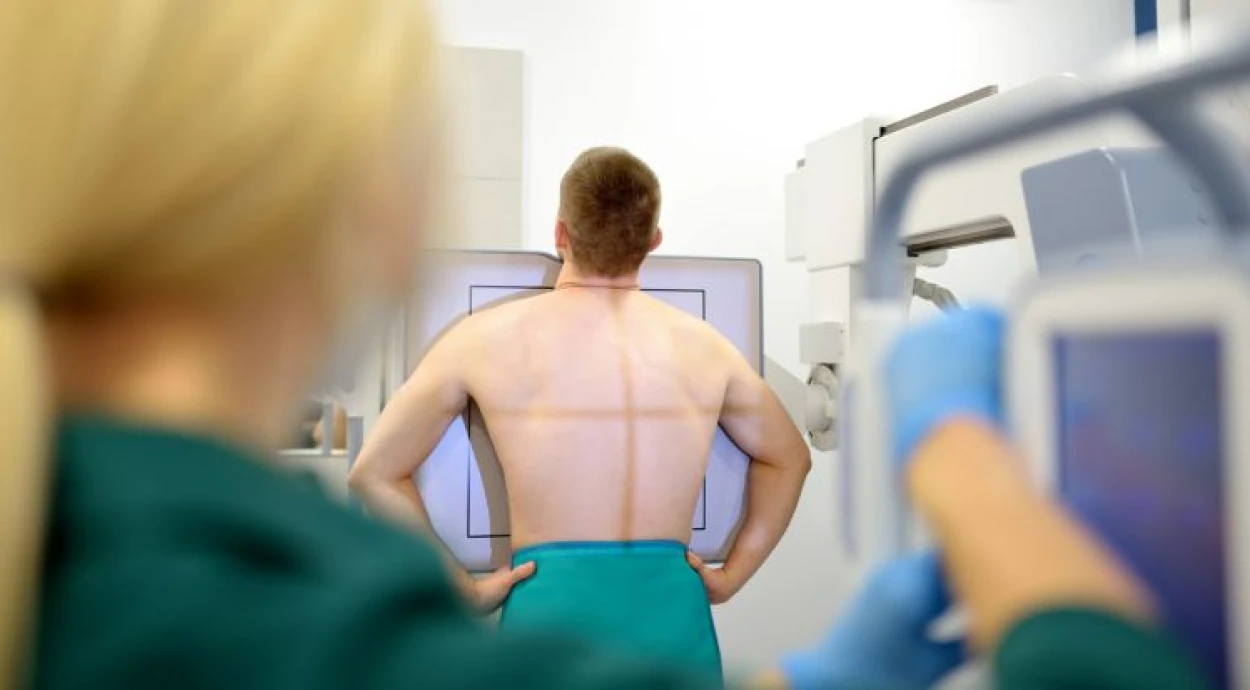
Preparation: the patient enters the room, undresses to the waist, and removes all metal objects.
-
Positioning: the patient stands with the chest against the screen of the machine and places the arms in the position indicated by the specialist.
-
Image: during the examination, the patient is asked to hold their breath for a few seconds.
-
Completion: after the image is taken, the patient can get dressed and wait for the results.
If digital fluorography is used, the image is instantly transferred to the doctor’s computer.
Fluorography Results and Their Meaning
After fluorography, the results can be as follows:
-
Normal. No pathological changes are visible on the image, and a repeat examination is recommended in one year.
-
Detected abnormalities. Darkening, densification, or other changes may indicate an inflammatory process, fibrosis, neoplasms, or tuberculosis.
-
Need for additional examinations. If the diagnosis is uncertain, the doctor may prescribe an X-ray, computed tomography, or sputum analysis.
Fluorography is an effective method of primary diagnosis, but additional studies may be necessary to establish an accurate diagnosis.
Fluorography plays a key role in the early detection of dangerous diseases and is a mandatory part of preventive medical check-ups.
In Kyiv, you can undergo fluorography at the modern medical center Oxford Medical. We use the latest equipment, and experienced doctors work here. Schedule your examination at a convenient time – call us or submit a request on the website.
Frequently Asked Questions
What is the recommended frequency of fluorography for different population groups?
Adults without chronic diseases are recommended to undergo fluorography once a year. Healthcare workers, teachers, food industry employees, and other high-risk groups should have the examination every 6 months. People with chronic lung diseases or after contact with tuberculosis patients may need more frequent examinations.
Are there any restrictions for fluorography, for example, during pregnancy?
Yes, fluorography is not recommended during pregnancy due to radiation exposure, especially in the first trimester when the fetus is forming. In exceptional cases, if the examination is necessary to diagnose a serious disease, it may be performed with additional protection. Fluorography is also not prescribed for children under 15 years old; instead, X-rays or other methods are used.
What are the possible alternatives to fluorography for diagnosing lung diseases?
The main alternative is a chest X-ray, which provides a more detailed image. Computed tomography (CT) ensures even more accurate diagnosis and is used in cases of suspected serious pathologies. In some cases, ultrasound of the pleural cavity or laboratory tests may be performed if additional information is needed.