An increase in prolactin levels is a hormonal disorder that can affect the functioning of various body systems. Unlike physiological changes associated with pregnancy or lactation, a persistent increase in this hormone often has pathological causes and requires medical evaluation.
The peculiarity of hyperprolactinemia is that it is not always accompanied by clear symptoms. In some patients, changes develop gradually and manifest as nonspecific complaints, which leads to delayed diagnosis. Understanding the mechanisms of development of this condition makes it possible to detect the disorder in a timely manner and select an effective treatment strategy.
What is hyperprolactinemia
Prolactin is a hormone synthesized in the pituitary gland that participates in the regulation of many processes in the body. It affects metabolism, adaptive mechanisms, the functioning of the nervous system, and interacts with other hormones, in particular dopamine and sex steroids. Its level changes throughout the day and may temporarily increase under the influence of physiological factors.
Hyperprolactinemia is a condition in which the concentration of prolactin in the blood exceeds normal values outside physiological reasons such as pregnancy or breastfeeding. In this case, the increase in the hormone may be either short-term or persistent, which is of fundamental importance for further observation or treatment strategy.
Physiological elevation of prolactin levels is possible in the context of stress, intense physical exertion, or lack of sleep. In such cases, the hormonal indicator usually normalizes on its own and does not require intervention.
Pathological hyperprolactinemia develops as a result of disturbances in the regulation of the hypothalamic-pituitary system or as a manifestation of other diseases. It may be associated with pituitary neoplasms, endocrine disorders, chronic diseases of internal organs, or the use of certain medications. This form requires detailed examination and assessment of possible consequences for the body.
Hyperprolactinemia: why it is dangerous
Prolonged elevation of prolactin levels can affect the functioning of various body systems, gradually disrupting their interaction and overall hormonal balance.
Possible consequences of hyperprolactinemia include:
-
hormonal imbalance associated with suppression of the synthesis of other hormones and changes in the functioning of the endocrine system;
-
decreased bone mineral density, which over time may lead to the development of osteoporosis;
-
metabolic changes, in particular a tendency toward weight gain and increased cholesterol levels;
-
reduced tolerance to physical exertion and faster fatigue;
-
sleep disturbances, emotional instability, and decreased concentration;
-
an overall decrease in work capacity and quality of life.
The danger of hyperprolactinemia lies in its slow, subtle course. In the absence of timely diagnosis and treatment, hormonal disorders may progress, complicating further correction of the condition.
How hyperprolactinemia is treated
Treatment of hyperprolactinemia always begins with determining the cause of elevated prolactin levels. Since the hormone is sensitive to external and internal factors, the primary stage is laboratory diagnostics. A blood test for prolactin is usually performed several times on different days to exclude temporary physiological elevation of the indicator.
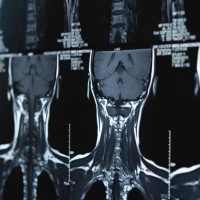
Based on the results of the initial examination, the physician forms a further diagnostic plan. If clinical indications are present, magnetic resonance imaging may be recommended to assess the condition of the pituitary gland and hypothalamus and to exclude structural changes that affect prolactin secretion.
After establishing the cause of the hormonal increase, an individual treatment strategy is selected. In cases where the changes are functional in nature or related to medication use, correction of accompanying factors may be sufficient to normalize indicators.
In pathological hyperprolactinemia, the basis of treatment is medication therapy aimed at reducing prolactin levels and restoring hormonal balance. Medications are selected taking into account the cause of the disorder, the clinical picture, and the body’s response to treatment. The effectiveness of therapy is assessed based on the results of follow-up tests.
If pituitary neoplasms are detected, treatment usually begins with conservative therapy or dynamic observation. The approach is determined individually and may change depending on the course of the disease and response to treatment.
Correctly identifying the cause of elevated prolactin levels makes it possible to choose an effective treatment strategy, stabilize hormonal balance, and reduce the risk of complications.
The information in the article is provided for informational purposes only and is not a guide to self-diagnosis and treatment. If you experience symptoms of the disease, you should consult a doctor.
Sources: