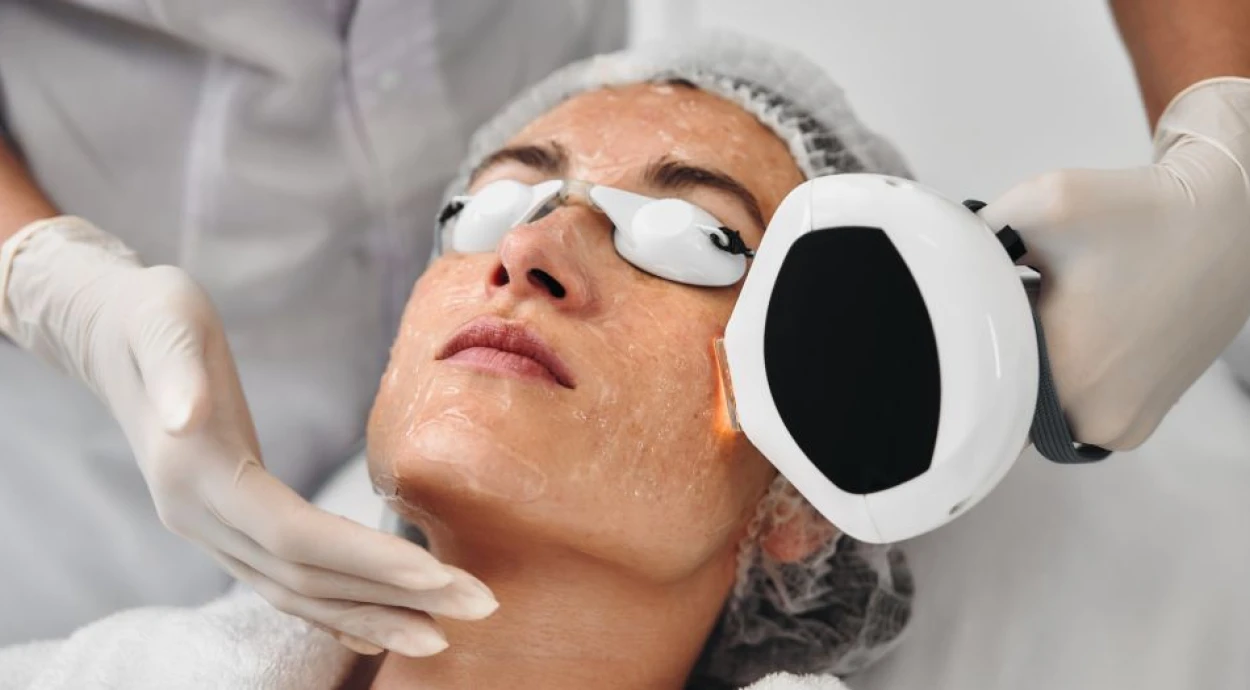
With age, the skin loses elasticity, pigment spots, dilated vessels, and uneven tone appear. However, modern cosmetic technologies make it possible to preserve youthful skin without surgical intervention. One of the most effective techniques is IPL therapy (Intense Pulsed Light), which stimulates natural rejuvenation processes and evens out skin tone.
If you are concerned about dull complexion, pigmentation, or other aesthetic imperfections, we invite you to a consultation with an aesthetic medicine specialist at «Oxford Esthetic». Our cosmetologists will help you choose the optimal skin care program and restore freshness and healthy radiance.
What is IPL therapy?
IPL therapy is a modern cosmetic procedure that uses intense pulsed light to improve the condition of the skin. Unlike laser methods that use light of a single wavelength, IPL uses a broad spectrum of light, allowing several cosmetic problems to be addressed simultaneously.
IPL therapy is effectively used to eliminate various skin imperfections such as pigment spots, vascular stars, enlarged pores, and signs of photoaging. The procedure is non-invasive and is characterized by a minimal recovery period, allowing patients to quickly return to daily life.
How does IPL therapy work?
Light pulses penetrate the middle and deep layers of the dermis, where they are selectively absorbed by two main skin structures:
-
Melanin (the pigment responsible for skin color and pigmentation spots).
-
Oxyhemoglobin (a blood component in vessels, affecting couperose and vascular stars).
Under the influence of light energy, pigmented cells break down and are naturally eliminated by the body. The same happens with small damaged vessels – they gradually collapse and dissolve.
Additionally, IPL impulses affect fibroblasts – the cells responsible for producing collagen and elastin. Thanks to this, photorejuvenation not only removes visible defects but also stimulates natural regeneration processes. As a result, the skin becomes tighter, more elastic, smoother in texture, and improved in tone.
Advantages of IPL therapy
This technique has a number of advantages that make it one of the most popular in cosmetology:
-
Safety. IPL impulses act gently without damaging the upper skin layer.
-
Speed. One procedure lasts about 20–30 minutes.
-
No rehabilitation period. After the procedure, you can immediately return to your usual lifestyle.
-
Comprehensive effect. Skin tone evens out, elasticity increases, and minor imperfections are removed.
-
Minimal discomfort. Light pulses may cause only slight tingling.
Many women wonder: is photorejuvenation harmful? If the procedure is performed correctly and there are no contraindications, IPL therapy is completely safe. However, it is important to trust your skin only to professionals.
Indications for photorejuvenation
The procedure is recommended for the elimination of many aesthetic imperfections, including:
-
Pigment spots. Photorejuvenation from pigment spots helps reduce the visibility of age pigmentation, freckles, and acne marks.
-
Vascular disorders. IPL impulses effectively combat couperose, dilated capillaries, and redness.
-
Uneven skin tone. The procedure eliminates dull complexion, improves microcirculation, and gives the skin freshness.
-
Signs of photoaging. Under ultraviolet exposure, melanin accumulates in the skin, provoking premature aging. IPL helps reduce these manifestations.
-
Enlarged pores and oily shine. IPL therapy promotes pore tightening and normalizes sebaceous gland activity.
The procedure is suitable for the skin of the face, neck, and hands. Photorejuvenation of the décolleté is also possible to achieve even skin tone and firmness in this area.
How to prepare for IPL therapy
Before the procedure, it is recommended to follow these rules:
-
Do not tan or visit a solarium for 2 weeks before the procedure.
-
Exclude the use of cosmetics with retinol and acids.
-
Avoid aggressive procedures (scrubs, peels) 3–4 days before.
-
Do not apply makeup on the day of the procedure.
Proper preparation guarantees a better result and reduces the risk of complications.
How is the IPL therapy procedure carried out?
The IPL procedure is safe and comfortable if performed by an experienced cosmetologist using quality equipment. It includes several main stages:
-
Cleansing and preparation of the skin. The cosmetologist carefully cleanses the skin of makeup, sebum, and impurities. Mild toning may be used additionally.
-
Application of contact gel. A transparent water-based gel is applied to the treated area to improve light conduction, reduce the risk of overheating, and ensure even energy distribution.
-
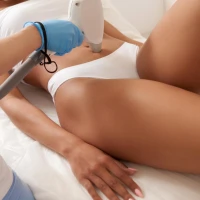
Skin treatment with the IPL device. The cosmetologist adjusts the parameters of the device and gradually treats the skin with light flashes.
-
Final care and recommendations. A soothing gel or serum and sunscreen with high SPF are applied to the skin.
Session duration depends on the treated area:
-
Face – 20–30 minutes;
-
Décolleté, neck – 30–40 minutes;
-
Hands – 15–20 minutes.
For a lasting result, a course of 3–5 procedures with an interval of 2–4 weeks is recommended.
What does the patient feel during the procedure?
The procedure is almost painless, but during light flashes, a slight tingling or warmth may be felt. To increase comfort, a cooling gel or contact cooling system may be used.
Skin care after photorejuvenation
After IPL therapy, it is important to follow proper care:
-
Use sunscreen SPF 50+ for 2 weeks.
-
Avoid scrubs and acid peels for 5–7 days.
-
Moisturize the skin and prevent dryness.
-
Do not visit saunas, pools, or hot baths for several days.
Photorejuvenation: harm and benefit
IPL therapy is an effective rejuvenation method that helps eliminate pigmentation, vascular disorders, even out skin tone, and improve texture. The procedure stimulates collagen production, is non-invasive, almost painless, and does not require long recovery.
However, like any cosmetic technique, IPL has certain features. Possible side effects include temporary redness, slight peeling, and swelling. In rare cases, pigmentation or burns may occur. To minimize risks, it is important to follow the cosmetologist’s recommendations and protect the skin from the sun.
If you want to restore your skin’s youth and natural glow, try photorejuvenation at «Oxford Esthetic». Our specialists will select the optimal course and help you achieve the desired result.
Do not postpone skin care – book a consultation with a cosmetologist right now!
Frequently Asked Questions
How does photorejuvenation work?
Photorejuvenation (IPL therapy) uses intense pulsed light impulses that penetrate deep into the skin. This destroys pigment spots, closes dilated vessels, and stimulates collagen production. As a result, the skin becomes smoother, firmer, and more radiant.
What skin problems are most effectively treated with IPL therapy?
IPL therapy effectively removes pigment spots, vascular stars, couperose, redness, uneven skin tone, enlarged pores, and early signs of aging. The procedure stimulates collagen production, which improves elasticity and texture, making the skin younger and healthier.
How many photorejuvenation sessions are needed to achieve visible results?
The number of sessions depends on individual skin characteristics and the severity of the problem. On average, a course consists of 3–5 procedures with an interval of 2–4 weeks. The first noticeable changes appear after the first session, and the maximum effect develops after completing the course and lasts for several months.
What possible side effects or complications can occur after IPL therapy?
Possible temporary redness, slight peeling, mild swelling, or skin sensitivity usually disappear within 1–3 days. In rare cases, pigmentation or burns may occur. To minimize risks, it is important to follow the cosmetologist’s recommendations and use sunscreen after the procedure.