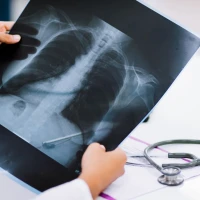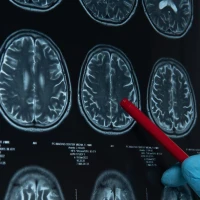
Computed tomography (CT) is one of the most accurate and fastest diagnostic methods, allowing visualization of internal organs, bones, blood vessels, and soft tissues in the form of highly detailed layered images.
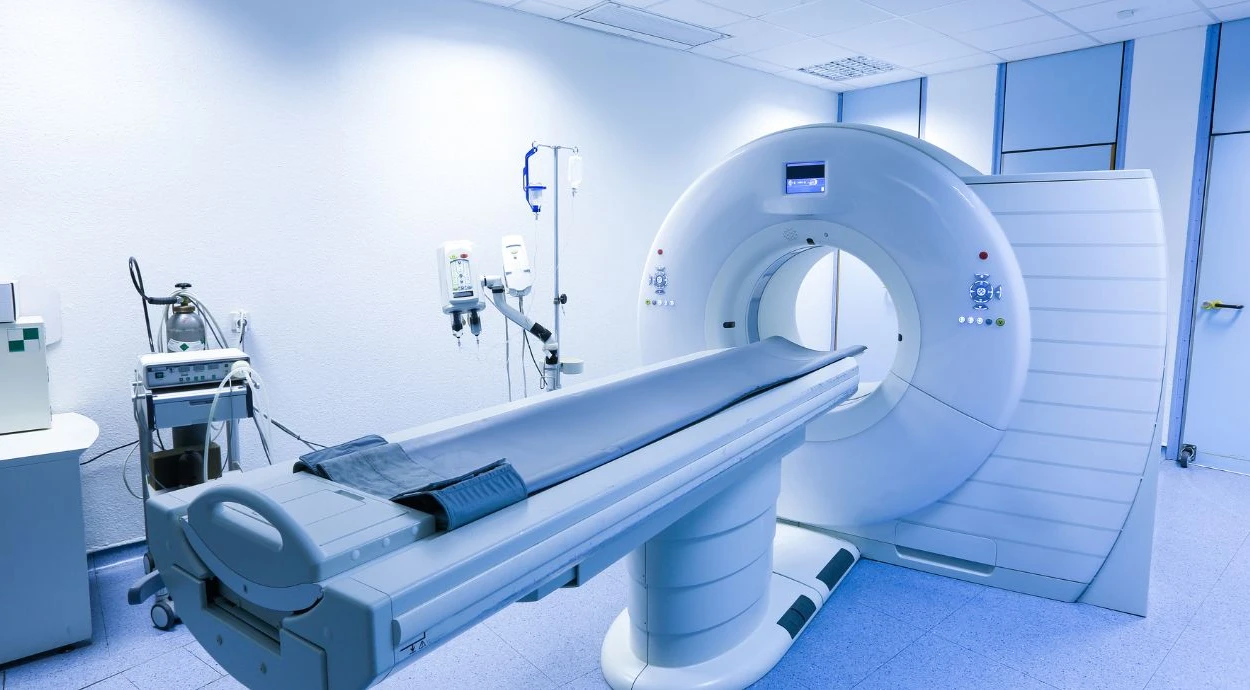
At the medical center Oxford Medical, a state-of-the-art expert-class device is installed — the Siemens Somatom Go.UP 64-slice CT scanner, which provides ultra-thin slices (0.7 mm) and excellent image quality with minimal radiation exposure. Thanks to this, patients receive the most informative results while maintaining all safety standards.
What is CT and how does it work?
CT is an X-ray diagnostic method based on the use of X-ray radiation and computer algorithms to create a three-dimensional image of the internal structures of the body. During scanning, the X-ray tube rotates around the patient’s body, while special detectors capture the signal passing through the tissues. The data obtained is processed by a computer, which generates a series of slices — layered images of organs and tissues.
Unlike traditional X-rays, CT makes it possible to visualize organs in different projections and details. This significantly increases diagnostic accuracy and allows detection of pathologies even at early stages. CT is especially effective for the head, chest, abdominal cavity, pelvis, as well as vessels and bones.
In addition to standard scanning, CT can be performed with contrast — a special substance that improves the accuracy of visualizing blood vessels, tumors, and inflammatory changes.
When is CT prescribed?
Computed tomography is prescribed when a doctor needs to quickly obtain accurate information about the condition of internal organs. Most often, CT is indicated in such cases:
-
head, chest, abdominal, or limb injuries;
-
suspected stroke, thromboembolism, or other acute conditions;
-
clarification of the diagnosis in abdominal, chest, or back pain;
-
planning and monitoring the effectiveness of oncological treatment;
-
preparation for surgical intervention;
-
monitoring changes after surgery or treatment courses.
CT is also prescribed when other examinations, such as ultrasound or X-rays, give uncertain results and more detailed visualization is needed.
What diseases does CT help diagnose?
Thanks to its high accuracy and ability to assess structures in three planes, CT is widely used in various areas of medicine. In particular, the examination allows detection of:
-
tumors and metastases;
-
stroke foci, hemorrhages, hematomas;
-
aneurysms, stenoses, thromboses;
-
bone fractures, dislocations, degenerative joint lesions;
-
pneumonia, pleurisy, tuberculosis;
-
diseases of the digestive organs, urinary system, pelvis;
-
causes of pain or unexplained fever.
In complex diagnostic cases, CT is the fastest and most effective way to determine the cause of symptoms.
How does the procedure take place?
Before the examination begins, the patient enters the CT room. The specialist helps them lie comfortably on the table, secures the body position, and gives brief instructions.
After this, the table slowly moves into the scanner, where the scanning takes place. It is important to lie still at this time. If necessary, the specialist asks the patient to hold their breath for a few seconds to obtain clear images.
The procedure lasts from 5 to 20 minutes. It is painless and requires no recovery period. If a contrast agent is used, it is administered intravenously before or during the examination. In such a case, after the procedure, the patient is advised to drink more water to accelerate the removal of the contrast agent from the body.
Preparation for CT
Preparation for CT depends on the area being examined and whether contrast will be used. In most cases, no special preparation is required, but there are exceptions:
-
for abdominal examinations, it is recommended to refrain from eating for 4–6 hours before the procedure;
-
before contrast administration, the doctor should be informed about allergies, chronic kidney disease, pregnancy;
-
it is advisable to bring previous test results, if available.
Whole-body CT is usually performed in complex diagnostic cases and requires more preparation, including kidney function testing before contrast administration. The preparation plan is always agreed with the doctor.
How often can CT be done?
How often can CT be done
Although computed tomography is an effective and painless diagnostic method, it involves a certain level of radiation exposure. Therefore, frequent unnecessary CT scans are not recommended.
The frequency of examinations is determined by the doctor depending on the clinical situation, diagnosis, and overall patient condition. In some cases, CT may be performed several times a year — for example, to monitor the course of oncological disease. But it is always important to weigh the balance of benefits and risks.
If there are indications, CT is a justified and safe method that does not harm health.
At Oxford Medical centers in Kyiv and Irpin, you can undergo computed tomography on modern equipment, with full compliance with safety standards. Our specialists ensure comfort during the examination and accurate interpretation of results.
Do not delay diagnostics — book your CT today through the website or by calling the contact center.
Frequently asked questions:
What does CT show?
CT makes it possible to see internal organs, vessels, bones, and soft tissues as layered images. The examination helps detect tumors, inflammation, hemorrhages, blood clots, developmental anomalies, traumatic injuries, and other pathologies, even if they do not appear externally.
How to prepare for computed tomography?
Preparation depends on the type of examination. If CT with contrast is planned, one should refrain from eating for 4–6 hours and report any allergies or chronic diseases. For most CT scans without contrast, no special preparation is needed, but the doctor provides detailed recommendations.
Is the CT procedure safe?
CT is safe if performed according to indications. Modern devices provide minimal radiation exposure, which is automatically controlled. The method is not used during pregnancy unless absolutely necessary. In all other cases, CT does not pose a health risk.