Contents
-
Causes of lymphedema
-
Symptoms of lymphedema
-
Localization of lymphedema
-
Classification of lymphedema
-
Stages of lymphedema development
-
Complications of lymphedema
-
Diagnosis of lymphedema
-
Treatment of lymphedema
-
Prevention of lymphedema
-
Frequently asked questions
Lymphedema is a disease accompanied by impaired outflow of lymphatic fluid. It accumulates in the tissues of the arms, legs, and other parts of the body, causing swelling and skin thickening, and later the development of ulcers. Without treatment, the disease can lead to serious complications.
The lymphatic system is no less important than the circulatory system. Normally, up to 2 liters of fluid saturated with a large number of lymphocytes circulate through it. It is involved in the process of metabolism and ensures the cleansing of the skin from toxins and other waste products.
Causes of lymphedema
The causes of lymphedema development may include:
-
congenital pathologies of the lymphatic system;
-
inflammation of lymph nodes and/or lymphatic vessels;
-
kidney diseases;
-
certain cardiovascular diseases;
-
protein deficiency in the blood (hypoproteinemia);
-
obesity;
-
some infectious diseases;
-
prostate cancer in men;
-
removal of the mammary glands and nearby lymph nodes due to metastases;
-
injuries, etc.
Symptoms of lymphedema
Specialists at “Oxford Medical” warn that the first symptom of impaired lymphatic outflow is swelling of the legs or arms. At an early stage, it may be mild and appear only in the evening, after prolonged walking, standing, or sitting in one position, and completely disappear by morning.
As the disease progresses, swelling may increase and not subside without appropriate medications.
Other signs of lymphedema may include:
-
a feeling of heaviness in the legs or arms;
-
skin thickening;
-
redness;
-
formation of small wounds (ulcers);
-
limited mobility.
These symptoms are nonspecific and may occur in various diseases. Sometimes this leads to late medical consultation and complicates diagnosis.
If swelling occurs frequently (several times a week or daily), is accompanied by other symptoms, and causes significant discomfort, you should consult a phlebologist or vascular surgeon for diagnosis.
Localization of lymphedema
Lymphatic fluid, like blood, circulates throughout the body, but due to physiological features its outflow is more often impaired in the lower limbs — up to 90% of patients suffer from lymphedema of the legs. However, the disease can also affect the arms, chest (especially after mastectomy), face, and other areas of the body. As it progresses, the affected area may increase.
Classification of lymphedema
Depending on the cause, lymphedema may be:
-
primary — develops as a result of congenital disorders of the lymphatic system and is diagnosed in childhood;
-
secondary — in adulthood due to the causes listed above.
Also, depending on the time of manifestation, juvenile lymphedema is diagnosed before the age of 30, and late-onset lymphedema — after the age of 30.
Stages of lymphedema development
Lymphedema is a progressive disease. Without timely treatment, it can cause irreversible changes.
There are 3 stages of the disease:
-
Mild — accompanied by slight swelling, which disappears after rest or a night’s sleep. It may appear or worsen as a result of prolonged standing, sitting, or lying in one position. At this stage, the patient does not experience pain or other discomfort. The skin remains soft, but due to the increase in intercellular fluid volume, it stretches and becomes slightly shiny.
-
Moderate — swelling worsens and becomes constant. On the affected leg, arm, or other body part, the skin becomes denser. If pressed, a trace remains, and the touch causes pain. Fatigue increases, and sometimes inflammation and cramps appear.
-
Severe — accompanied by significant enlargement of the affected area, the so-called elephantiasis. If the disease develops on the leg or arm, at this stage it causes deformation of bones and joints, leading to impaired mobility. Blood circulation and metabolism in the skin are also disrupted, it becomes reddish, hard, and trophic ulcers and phlegmon — inflammation of fatty tissue — may appear.
Complications of lymphedema
Lymphedema can lead to chronic lymphatic drainage disorders, fibrotic tissue changes, and elephantiasis — a significant enlargement of the affected limb, change in its shape, and loss of normal mobility. The disease also poses a risk of trophic ulcers, phlegmon, sepsis, and lymphosarcoma — a malignant tumor.
To prevent complications, treatment should be started as early as possible.
Diagnosis of lymphedema
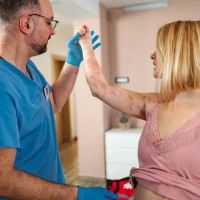
Diagnosis and treatment of lymphedema are carried out by phlebologists and vascular surgeons. During the initial consultation, the specialist asks about the patient’s complaints, conducts an examination, assesses the severity of symptoms, and studies the medical history. To clarify the diagnosis and causes of impaired lymphatic outflow, the doctor may prescribe some of the following tests:
-
Doppler ultrasound of leg or arm vessels;
-
lymphography, or X-ray with contrast — a study that allows evaluation of the condition of lymph nodes and the speed of lymphatic flow;
-
electrocardiogram;
-
ultrasound of abdominal and pelvic organs;
-
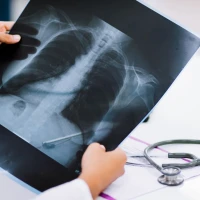
chest X-ray;
-
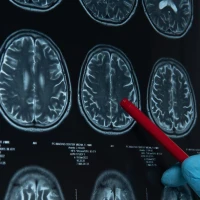
computed tomography (CT) or magnetic resonance imaging (MRI);
-
blood tests;
-
analysis for microflora from ulcer discharge.
If the arms are affected by lymphedema, the doctor may prescribe an examination of the chest organs, and if the legs — the abdominal and pelvic organs. This is necessary to identify the causes of impaired lymphatic flow.
Treatment of lymphedema
In most cases, lymphedema is treated conservatively, but in severe stages and with complications, surgical intervention may be required.
Conservative therapy may include:
-
taking medications that help restore normal blood circulation and lymphatic drainage;
-
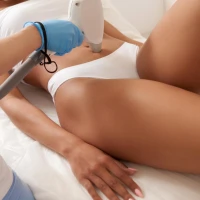
physiotherapy procedures — magnetotherapy and laser therapy are often prescribed;
-
hydromassage;
-
manual massage;
-
therapeutic exercises;
-
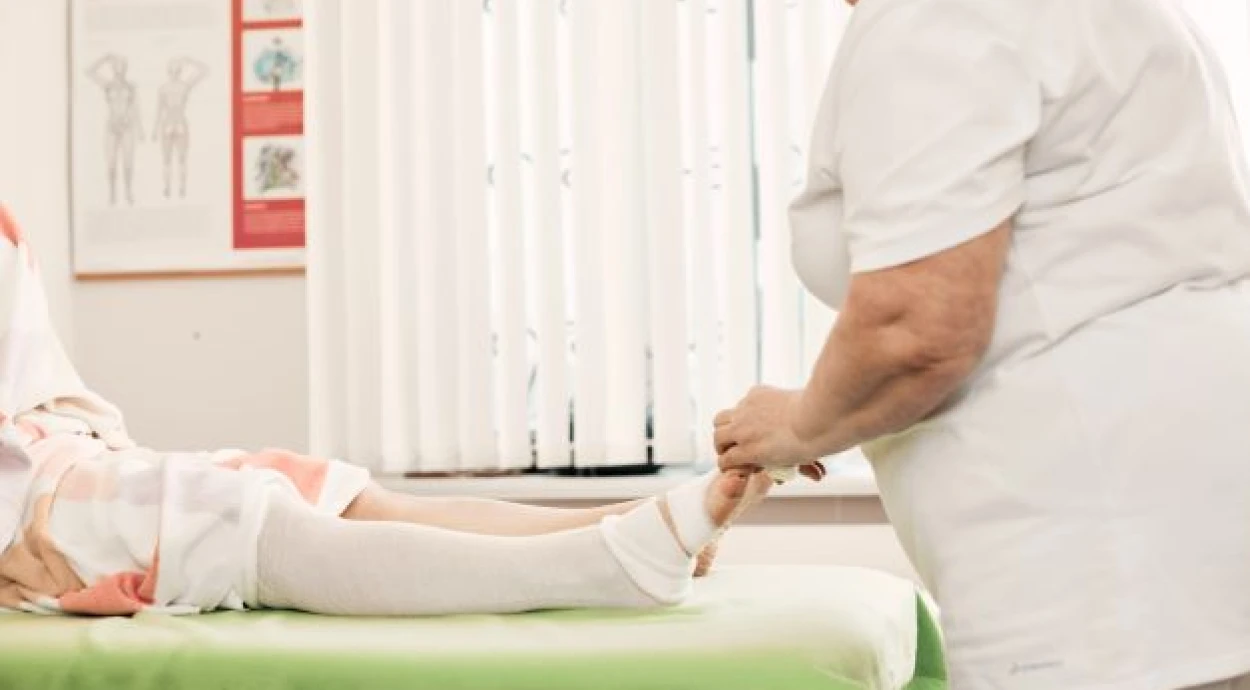
wearing compression garments;
-
salt-free diet.
At the early stages of the disease, such therapy provides good results — reducing swelling and eliminating other unpleasant symptoms. However, in case of improvement, it is important not to abandon therapy and to continue following all medical recommendations, because lymphedema cannot be completely cured — it is a chronic disease.
If lymphatic drainage disorder develops against the background of another disease, consultation with a specialized doctor and appropriate treatment may be required.
In case of elephantiasis, trophic ulcers, and other complications, surgical treatment may be prescribed.
Prevention of lymphedema
To prevent lymphedema and its complications, it is recommended to:
-
follow a special diet — eat less salty foods, and if swelling occurs also limit protein foods (meat, except fish), pastries, and sweets, replacing them with vegetables and fruits;
-
quit smoking and alcohol;
-
avoid sudden temperature changes, do not take contrast showers;
-
after washing, carefully dry the affected skin area;
-
regularly perform therapeutic exercises prescribed by a specialist, but avoid sudden movements and excessive loads;
-
wear compression garments (if prescribed by a doctor).
These rules help slow down the progression of the disease or prevent its occurrence if a person is at risk.
Frequently asked questions
How does lymphedema begin?
One of the first symptoms of lymphedema is swelling. It may appear at the end of the day after prolonged standing on the legs or sitting in one position. Most often it is mild, does not cause pain, and resolves on its own after rest. As the disease progresses, swelling becomes more pronounced, and the skin shiny.
It is impossible to diagnose the disease by external symptoms alone, since other pathologies manifest in a similar way. To clarify the diagnosis, you need to consult a phlebologist.
What should not be eaten with lymphedema?
With lymphedema, a salt-free diet with limited protein foods is recommended. Salt, various types of meat, baked goods, and sweets are excluded or reduced. Instead, low-fat fish, vegetables, and fruits are recommended.
Can lymphedema of the lower extremities be cured?
The effectiveness of lymphedema treatment of the legs depends on the stage of the disease. At the initial stages, therapy is more effective. A comprehensive approach allows reducing swelling and restoring normal mobility. In many patients, the disease goes into remission, but requires regular visits to a phlebologist and adherence to preventive measures.
Sources:
National Library of Medicine
Science Direct
Longdom