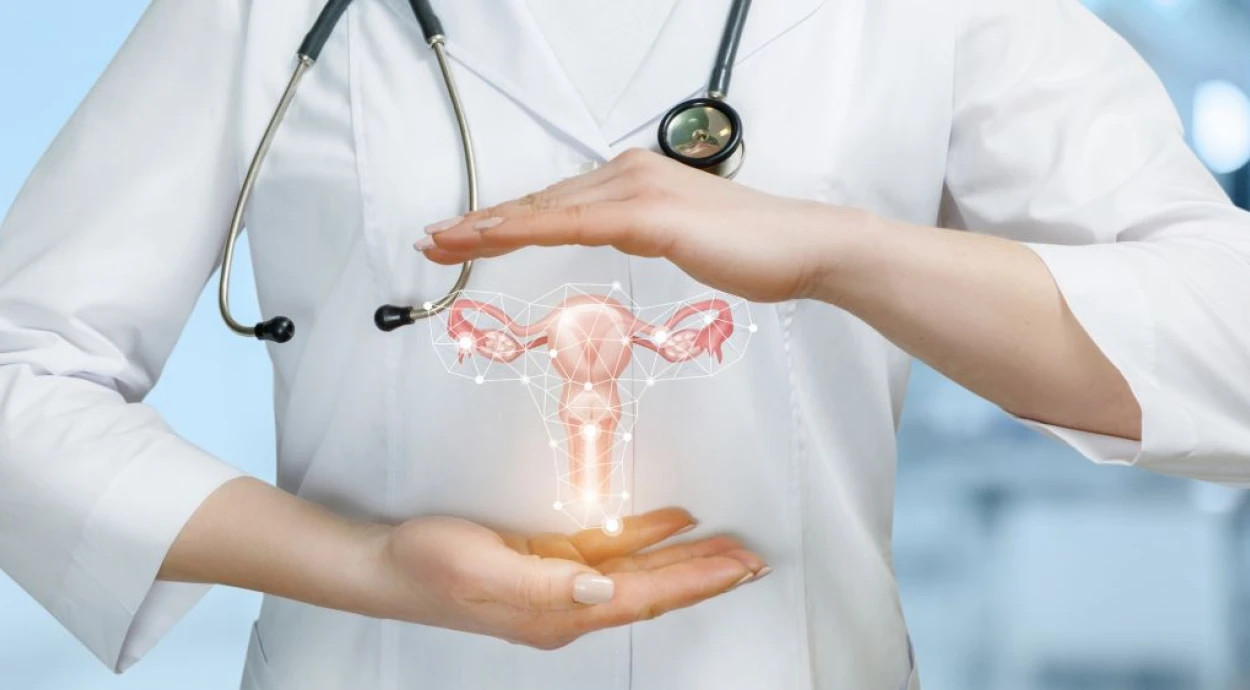
One of the problems that can significantly affect a woman’s well-being is uterine wall prolapse or pelvic organ prolapse. This is a pathological condition in which the uterus shifts downward due to the weakening of the muscles and ligaments that support it. One of the treatment methods for this problem is uterine suspension surgery – an effective procedure that restores the normal position of the organ and prevents its further descent.
In this article, we will take a closer look at when uterine suspension is necessary, how the procedure is performed, and how to prepare for the surgery.
What is uterine suspension?
Uterine suspension is a surgical intervention aimed at fixing the organ in the correct anatomical position by strengthening the ligamentous apparatus or using special mesh implants. The procedure is performed to eliminate prolapse symptoms and improve a woman’s quality of life.
Symptoms of uterine prolapse
Uterine prolapse is a pathological condition that may not cause pronounced symptoms for a long time. However, as the disease progresses, a woman begins to feel discomfort that affects her well-being and quality of life. It is important to recognize the first signs of this problem to consult a doctor in time and prevent complications.
Main symptoms of uterine prolapse:
-
Sensation of a foreign body in the vagina. A woman may feel heaviness or the presence of a foreign object in the perineum, especially during physical exertion or prolonged standing.
-
Pulling pain in the lower abdomen and lower back. The pain may be dull or periodic, especially during menstruation, sexual intercourse, or after physical activity.
-
Problems with urination. Frequent urges, urinary incontinence, or, conversely, retention may indicate anterior wall prolapse.
-
Intestinal dysfunction. In women with posterior wall prolapse, constipation, heaviness in the abdomen, or incomplete bowel emptying may occur.
-
Changes in sexual life. During intercourse, there may be unpleasant or painful sensations, reduced sensitivity, or vaginal dryness.
-
Vaginal wall bulging. With progressive posterior wall prolapse, a woman may notice tissue protruding through the vaginal opening.
-
Uterine prolapse beyond the vagina. In severe cases, the cervix or even part of the uterus protrudes outside, accompanied by discomfort and risk of infection.
Symptoms can progress gradually, so if any of the listed manifestations appear, it is important not to delay and to see a gynecologist.
Types and stages of uterine prolapse
The degree of prolapse severity is determined by the level of downward displacement of the uterus relative to its normal anatomical position. Several types and stages are distinguished.
Types of uterine prolapse:
-
Anterior wall prolapse – displacement of the uterus toward the bladder, which may cause urinary disorders.
-
Posterior wall prolapse – the uterus shifts toward the rectum, causing defecation problems.
-
Prolapse of both walls – complex descent of the entire organ, involving both anterior and posterior uterine parts.
-
Cervical prolapse – pathology in which the descent occurs mainly due to the cervix.
-
Posterior vaginal wall prolapse – accompanied by tissue protrusion through the vaginal opening, especially noticeable during physical exertion.
Stages of uterine prolapse:
-
First stage – the uterus descends, but the cervix remains within the vagina. The woman may feel slight discomfort in the lower abdomen.
-
Second stage – the cervix descends closer to the vaginal opening; heaviness, back pain, and discomfort during intercourse may appear.
-
Third stage – the cervix protrudes beyond the vagina; problems with urination, defecation, and increased risk of infections may occur.
-
Fourth stage (complete uterine prolapse) – the entire organ protrudes beyond the vagina, requiring immediate surgery.
Determining the stage helps the doctor choose the optimal treatment method. At early stages, conservative methods (special exercises, pessaries) may be used, but in advanced cases, uterine suspension surgery is the effective solution.
Timely medical consultation helps prevent complications and improve a woman’s quality of life. At Oxford Medical Clinic, modern minimally invasive prolapse treatments are performed to restore health and comfort.
When is uterine suspension needed?
Uterine suspension is an effective surgical method used when conservative approaches fail and the pathology progresses. The surgery restores the correct anatomical position of the organ, relieves discomfort, and prevents complications.
Indications for uterine suspension:
-
Significant downward displacement of the uterus, causing urinary and digestive dysfunction.
-
Chronic pelvic discomfort – heaviness, pressure in the perineum, constant pulling pain in the lower back and abdomen.
-
Urinary incontinence or retention caused by uterine displacement.
-
Recurrence after conservative treatment (exercises, pessaries, other methods).
-
Tissue protrusion through the vaginal opening.
-
Inability to maintain normal sexual life due to painful intercourse.
-
Preparation for future pregnancy in women with weak ligaments or partial prolapse.
The choice of method depends on the degree of prolapse, patient’s age, and accompanying conditions.
How is the procedure performed?
Uterine suspension can be performed by several methods:
-
Laparoscopic method – through small abdominal punctures, the surgeon places fixation sutures or mesh implants. This method has a short recovery period.
-
Vaginal suspension – strengthening the ligamentous apparatus through vaginal access without external incisions.
-
Abdominal fixation – open surgery where the uterus is sutured to the sacro-uterine ligaments or anterior abdominal wall.
In most cases, mesh implants are used to reinforce tissues and prevent recurrence. The procedure is performed under general or spinal anesthesia and lasts from 40 minutes to several hours, depending on the method.
Preparation for surgery
To ensure the procedure goes smoothly, careful preparation is required:
-
Doctor’s consultation – determining indications and selecting the best surgical method.
-
Diagnostics – blood and urine tests, bacteriological studies, pelvic ultrasound.
-
Bowel preparation – a light diet the day before, possible use of laxatives or enema.
-
Fasting – no food or water 8–12 hours before surgery.
Rehabilitation and care after surgery
The recovery period depends on the surgical method. In the first days, discomfort may occur, relieved by painkillers.
Main recommendations for faster recovery:
-
Gentle regimen, avoiding physical exertion.
-
Temporary abstinence from sexual activity (at least 6–8 weeks).
-
Regular follow-up visits.
-
Light diet to normalize digestion.
A woman can return to normal life in 2–4 weeks, depending on the complexity of the intervention.
Uterine suspension is an effective treatment for prolapse, restoring pelvic organ position and significantly improving quality of life. Timely surgery helps prevent serious complications.
If you experience prolapse symptoms, do not delay visiting a gynecologist. Make an appointment at Oxford Medical Clinic and receive qualified care from experienced specialists.
Frequently asked questions:
How to determine anterior or posterior uterine wall prolapse?
Anterior wall prolapse usually causes frequent urination, incontinence, or retention. Posterior wall prolapse leads to defecation problems and heaviness in the perineum. Diagnosis is made by a gynecologist during examination and pelvic ultrasound.
What treatment methods are effective for vaginal wall prolapse?
Treatment depends on the stage. At early stages, Kegel exercises, vaginal pessaries, and physiotherapy are effective. In advanced cases, surgical methods are used: laparoscopic fixation, vaginal surgery, or mesh implants for tissue reinforcement.
Are there alternatives to uterine suspension for prolapse?
At early stages, exercises to strengthen the pelvic floor, vaginal pessaries, and hormone therapy may be applied. In advanced cases of anterior wall prolapse or other forms, surgery is often necessary. Suspension is the most effective method in such situations.