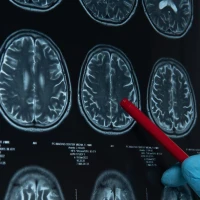




POTS syndrome (Postural Orthostatic Tachycardia Syndrome) is a condition characterized by an abnormal increase in heart rate when changing body position from horizontal to vertical.
Changes in postural tone (the ability of blood vessels to maintain stable blood pressure when changing body position) play a key role in the development of this pathology. Normally, when transitioning from lying down to standing, the body redistributes blood while maintaining stable pressure. However, in people with postural tachycardia syndrome, this mechanism does not work properly, leading to a number of unpleasant symptoms.
This condition occurs mainly in young women but can also develop in other patient groups. It is important to pay timely attention to symptoms and undergo necessary examinations to improve quality of life and avoid complications.
Postural Tachycardia Syndrome: What is it?
Postural Orthostatic Tachycardia Syndrome is a disorder that affects the autonomic nervous system, which controls cardiovascular regulation. The main diagnostic criterion is an increase in heart rate (HR) by 30 beats per minute or more (or by 40 beats in adolescents) within 10 minutes of standing up, without a significant drop in blood pressure.
Unlike other orthostatic disorders, such as orthostatic hypotension (a drop in blood pressure when standing up), POTS is accompanied by stable or even elevated pressure. However, patients often experience severe weakness, dizziness, and fainting.
POTS can be either primary (idiopathic) or secondary, developing against the background of other diseases, such as autoimmune disorders, neuropathy, or viral infections.
Main Causes of POTS Development
The exact causes of postural tachycardia syndrome are still not fully understood, but several main mechanisms are known that may contribute to its development:
-
Dysfunction of the autonomic nervous system. Autonomic dysfunction causes the body to incorrectly regulate vascular tone and heart rhythm.
-
Reduced blood volume (hypovolemia). Some POTS patients have insufficient circulating blood volume, making it difficult to maintain normal pressure when standing.
-
Hyperactivity of the sympathetic nervous system. Increased sympathetic activity can cause excessive acceleration of heart rate when changing body position.
-
Autoimmune diseases. Studies have shown that some POTS patients have antibodies to autonomic nervous system receptors.
-
Small fiber neuropathy. Dysfunction of small nerve endings may impair regulation of vascular tone and lead to postural tachycardia.
-
Infectious triggers. Some POTS cases develop after viral infections such as influenza or COVID-19.
How Does Postural Tachycardia Syndrome Manifest?
Manifestations of postural tachycardia may vary and affect not only the cardiovascular system but also overall body condition. Main symptoms include:
-
dizziness and weakness when standing up;
-
sensation of palpitations (tachycardia);
-
fainting or near-fainting states;
-
fatigue that does not go away after rest;
-
headache;
-
tremor;
-
impaired thermoregulation;
-
nausea and digestive problems;
-
problems with concentration (“brain fog”).
Symptoms may worsen with physical exertion, stress, or being in a hot, stuffy room.
Diagnosis of Postural Tachycardia Syndrome
Since POTS syndrome has similar manifestations to other cardiovascular and neurological diseases, its diagnosis requires a comprehensive approach. The doctor must not only confirm tachycardia when changing body position but also rule out other possible causes of similar symptoms.
Main Diagnostic Methods for POTS
-
Orthostatic test
-
Heart rate and blood pressure are measured in the horizontal position.
-
Then the patient is asked to stand, and measurements are repeated within the next 10 minutes.
-
If HR increases by 30 beats per minute or more (40 in adolescents), while blood pressure remains stable, this may indicate POTS.
-
-
Tilt test (passive orthostatic test)
-
Conducted under special conditions: the patient is fixed on a tilting table, the angle of body position is gradually changed, and cardiovascular response is monitored.
-
This method allows for a more accurate determination of the degree of autonomic regulation disorders.
-
-
Electrocardiogram (ECG). Helps rule out arrhythmias and other heart pathologies that may cause tachycardia.
-
Echocardiography. Evaluates the condition of the heart muscle, valves, and circulation to rule out structural changes.
-
Vascular Doppler ultrasound. Allows assessment of blood circulation and detection of possible vascular tone disorders.
-
Blood tests. Include evaluation of hormone levels, electrolyte balance, glucose, and markers of inflammation.
Correct diagnosis of POTS allows determination of the severity of the patient’s condition and selection of an effective treatment plan.
Treatment of Postural Orthostatic Tachycardia Syndrome (POTS)
Postural tachycardia syndrome does not have a universal treatment approach, as its manifestations can vary greatly among different patients. The main goal of therapy is to reduce symptoms, improve quality of life, and normalize cardiovascular adaptation to changes in body position.
Treatment includes:
-
medication therapy to control heart rate, circulating blood volume, and vascular tone;
-
lifestyle modifications;
-
treatment of comorbid diseases that may influence the course of postural orthostatic tachycardia syndrome.
Medication Therapy
Prescription of drugs is possible only after detailed diagnosis of POTS and assessment of the patient’s general condition. Medications used include those that:
-
Regulate heart rate
-
In cases of pronounced tachycardia, drugs may be prescribed to help reduce HR and decrease heart strain. The choice depends on individual characteristics and blood pressure levels.
-
-
Increase circulating blood volume
-
Some patients have reduced blood volume (hypovolemia), which worsens postural tachycardia. In such cases, medications may be prescribed to promote fluid and sodium retention in the body to support vascular tone.
-
-
Improve vascular tone regulation
-
If vascular resistance is reduced, drugs may be used to constrict vessels and maintain blood pressure when standing. They are effective in pronounced orthostatic disorders, especially when pressure drops occur after standing.
-
-
Affect the nervous system
-
In some cases, when POTS syndrome is accompanied by increased sympathetic nervous system activity, drugs may be used to reduce excessive cardiovascular strain.
-
Medication treatment is selected individually depending on symptoms and disease course. Only a doctor can prescribe drugs and adjust dosages after comprehensive examination.
Lifestyle Modifications
Since drug therapy does not always completely eliminate symptoms, patients are advised to adapt daily habits for better condition control. Main recommendations include adequate fluid and salt intake, moderate physical activity, and avoiding triggers that may provoke exacerbations.
Management of Comorbid Diseases
POTS often develops alongside other pathologies, such as autoimmune, endocrine, or neurological disorders. In such cases, treatment of the underlying disease may help reduce symptoms of postural tachycardia. That is why it is important to regularly undergo medical check-ups and monitor overall health.
Recommendations: How to Live with POTS
Postural Orthostatic Tachycardia Syndrome is a chronic condition requiring lifestyle adaptation to reduce symptoms and improve overall well-being. Although POTS can significantly limit activity, the right approach helps maintain quality of life and reduce disease impact on daily routine.
-
Maintain fluid and salt balance
-
Drink 2–3 liters of water daily. This helps maintain stable blood pressure.
-
Increase salt intake to 8–10 g per day (if there are no contraindications). This promotes fluid retention and improves circulation.
-
Add isotonic drinks, especially during physical activity or hot weather.
-
-
Adjust physical activity
-
Complete avoidance of physical activity can worsen the condition, so moderate activity is important.
-
Start with exercises in the horizontal position (stationary bike, swimming, yoga).
-
Gradually increase duration and intensity.
-
Avoid sudden changes in body position—stand up slowly to prevent dizziness.
-
Use compression garments (stockings or tights) to support circulation.
-
-
Avoid symptom triggers
-
Heat and stuffiness—overheating can cause vasodilation and sudden pressure drops. Avoid hot baths, saunas, prolonged sun exposure.
-
Prolonged standing—if you must stand, periodically move your toes, contract calf muscles, or shift weight from foot to foot.
-
Fatigue and stress—maintain a daily routine, avoid overload, and ensure sufficient sleep.
-
-
Dietary recommendations
-
Eat small portions 4–5 times a day to avoid sharp blood sugar fluctuations.
-
Avoid foods that may provoke sudden pressure changes (coffee, alcohol, excessive simple carbohydrates).
-
Include foods rich in magnesium and potassium (bananas, nuts, green vegetables) to support cardiovascular function.
-
-
Optimize daily activities
-
Sit whenever possible, e.g., when cooking or doing chores.
-
Plan rest breaks during the day, especially after physical activity.
-
Create comfortable working and learning conditions—use chairs with back support, avoid prolonged standing.
-
Avoid sudden movements—when getting out of bed, sit first, wait a little, and only then stand slowly.
-
-
Regularly consult a doctor
-
POTS treatment requires follow-up with specialists, particularly a cardiologist and neurologist. Cardiologist consultation helps select optimal medication therapy and adjust recommendations according to individual characteristics.
-
Living with postural tachycardia syndrome is not easy, but the right approach can significantly improve quality of life.
Frequently Asked Questions
What are the main symptoms of postural tachycardia syndrome?
Main POTS symptoms include dizziness, weakness, rapid heartbeat when standing, near-fainting state, fatigue, headache, tremor, concentration problems (“brain fog”), nausea, and impaired thermoregulation. Symptoms may worsen during stress, physical exertion, or hot weather.
Can POTS be completely cured?
POTS is not always a chronic condition—in some cases, symptoms may decrease or disappear over time, especially if the cause is identified and eliminated. However, most patients require long-term condition management, lifestyle adjustments, and medication support to reduce disease manifestations.
How is postural tachycardia syndrome diagnosed?
For POTS diagnosis, orthostatic test (HR measurement lying and standing), tilt test, ECG, echocardiography, and blood tests are used to rule out other diseases. The main criterion is an increase in HR by ≥30 bpm (or ≥40 bpm in adolescents) without significant blood pressure drop.