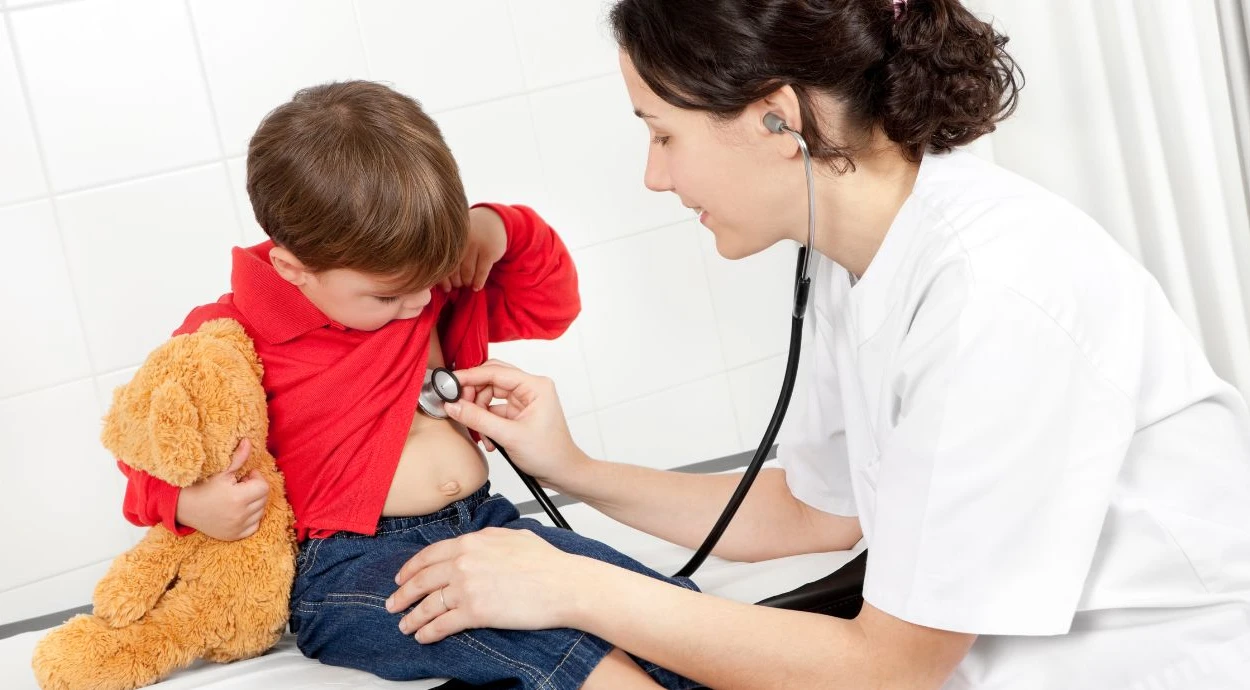
A children’s check-up is an important part of preventive health care for a child, which allows timely detection of possible problems and prevention of disease development. However, parents often face such phenomena as overdiagnosis and polypharmacy — excessive examination and treatment, which may lead to unnecessary interventions in the child’s health. In this article, we will examine why it is important to avoid these mistakes and how to ensure an effective and balanced approach to a children’s check-up to provide optimal health for your child without unnecessary risks.
What should parents know in order not to do excessive or completely unnecessary tests, not to undergo pointless treatment, and at the same time not to miss the onset of a disease or developmental disorders in the child? Pediatrician of the “Oxford Medical” clinic with 15 years of experience, Mariya Kindzerska, tells about this.
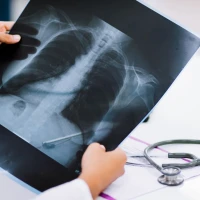
If you enter the request “children’s check-up,” you will immediately get many offers, and the packages of examinations will be different. Some clinics, for example, immediately recommend that a child under one year undergo an echocardiogram, abdominal ultrasound, kidney ultrasound, hip joint ultrasound, and also neurosonography. You can imagine what the bill will look like.
Others include in basic studies for children under 14 screening for parasitic infections and a blood glucose test. Others add ECG and narrow specialists: neurologist, ophthalmologist, ENT, surgeon. But is it necessary to undergo such a volume of examinations every year?
According to Mariya Kindzerska, the list of truly necessary tests and consultations of narrow specialists should be determined not by the clinic, but by the pediatrician or family doctor, based on complaints and collected medical history.
What Is the Purpose of a Children’s Check-Up?
The purpose of planned medical examinations conducted at certain intervals is to:
-
assess the child’s health status;
-
prevent disease by detecting it at an early stage;
-
find weak areas in the body or developmental disorders in order to correct them with certain measures.
What Are the Requirements for Children’s Medical Examinations Set by the State
There are several regulatory documents of the Ministry of Health regarding preventive examinations, which establish the scope of medical services, their frequency, and purposes.
In particular, these are:
-
Order No. 1351 dated 25.07.2023 “On the organization of medical examinations of children and other persons for their enrollment in educational institutions, children’s health and recreation institutions”;
-
Order No. 2003 dated 03.12.2024 “On approval of the procedures and frequency of preventive medical examinations of certain categories of children”;
-
Order No. 2146 dated 25.12.2024 “On amendments to the order of the Ministry of Health of Ukraine dated December 3, 2024, No. 2003.”
According to them, check-ups include collecting medical history, a full physical examination, checking for signs of acute illness or chronic conditions, measuring height and body weight, testing visual acuity, hearing (whispered speech), posture and feet, and other examinations.
If necessary, the doctor refers the child to narrow specialists, as well as to clinical and laboratory tests. Depending on the patient’s age and the purpose of the examination — for example, before entering kindergarten or school — the studies may differ. Then the general package includes a stool test for infestations (helminth eggs), a blood test for sugar, a mandatory visit to an ophthalmologist, etc. This is understandable, because the child is going to a collective, will study, eat in the cafeteria, do physical education, so it is necessary to know the peculiarities of his or her body.
How Often to Do Check-Ups and Why
The frequency of check-ups according to regulations depends on age. Up to one year, babies undergo an examination every month, because they grow and develop quickly. Later, the frequency of visits to the pediatrician decreases to once a year.
Such preventive examinations are aimed at preserving and strengthening health. In addition to medical assistance, they also include psychosocial support depending on the needs of the child’s development period. For example, during the visit the doctor advises parents about breastfeeding and rational nutrition, disease and injury prevention, early detection of developmental disorders or risk of their occurrence, formation of healthy lifestyle skills, prevention of harmful habits (smoking, alcohol and drug use, internet addiction). This is done in order to create optimal conditions for the harmonious growth of the child in a safe and favorable environment.
Thus, the main specialist who manages the child is the pediatrician or family doctor. It is he or she who determines the scope of the check-up, monitors the vaccination schedule, and sets the frequency of visits if the young patient has developmental features.
Moderation and Professionalism in Diagnostics
Everyone should do their own work, our expert believes. Parents — to raise children and create appropriate living conditions for them, and doctors — to monitor the health status of patients. There is no need to invent and independently make diagnoses, look for solutions on the internet, study medical encyclopedias, do a bunch of tests that do not carry useful information for the specialist, or take the child to narrow specialists on your own initiative. This directly concerns check-ups. A child from birth should be managed by a pediatrician who will know all the nuances of his or her health and development.
Unfortunately, now medical institutions make quite a few appointments and studies that are completely unnecessary. And all this is because they have new modern equipment and want to receive funds from the National Health Service of Ukraine. This, in particular, was noted in an interview with an online publication by the head of the National Health Service, Nataliya Husak.
Pediatrician Mariya Kindzerska directly says: “We must fight overdiagnosis and polypharmacy. Parents fall under the influence of advertising about extended check-up packages and take children to do tests for ferritin, check blood vitamins, calcium… Polypharmacy manifests itself in the fact that the child goes through different narrow specialists, he or she is given one diagnosis, another, a third, and each specialist gives his or her prescriptions, as a result there may be eight of them!”
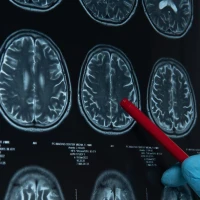
The expert notes that there are cases when a child has a headache and parents start examining on their own. They do a blood test for hemoglobin, an X-ray of the cervical spine, neurosonography, electroencephalography, ultrasound of the head vessels… And then at the pediatrician’s appointment it turns out that it was enough to measure the young patient’s blood pressure — the cause of the pain is low blood pressure. Or the doctor finds out that the child spends half the night on gadgets, and then half the day does not eat until the mother comes.
If any symptoms appear, first of all you should go to the pediatrician — he or she will better figure out what’s what, you should not independently assign a range of diagnostics. And the earlier you go to the doctor, the better. This will eliminate the temptation to try all the medicines advised by acquaintances or pharmacists. Anyway, in the end, the child will end up at the pediatrician, but already in a worse condition.
Separately, Ms. Mariya emphasizes the need for a personal appointment with a specialist: “If there are questions regarding health, do not look for answers on the internet, do not listen to media doctors. The pediatrician must see the child in person, and what showmen recommend is only general information — they do not bear responsibility for their words, they do not observe the patient’s condition in dynamics.”
Thus, the expert summarizes that the children’s check-up is determined by the pediatrician. Up to one year these will be visits to the clinic, in addition, the doctor comes home to give recommendations regarding breastfeeding and safe conditions for the baby’s growth. Later, you should come to the pediatrician for a preventive appointment once a year. He or she will examine the child and, if necessary, prescribe laboratory tests and examinations by narrow specialists, such as a dentist, ophthalmologist, or orthopedist.
“Neither tests for worms nor blood for sugar should be done just like that. In the European Union, for example, no one takes a blood test preventively. Even during illness, it is not always necessary. We are not vampires to take blood for every certificate. This is an invasive method of research and emotionally traumatic for children,” explains Mariya Kindzerska.
Thus, the task of parents is to be simultaneously responsible and moderate in their care: to undergo check-ups according to the recommendations of the Ministry of Health, actively communicate with the pediatrician, and not succumb to the currently widespread trend of overdiagnosis and polypharmacy.