Contents
-
Robotic surgery in the treatment of vascular diseases
-
Use of artificial intelligence for diagnosis and surgical planning
-
How does artificial intelligence improve treatment?
-
Minimally invasive treatment methods using catheters
-
Transplantation and prospects of growing artificial vessels
-
Advantages of telemedicine in consultations and diagnostics
-
Frequently asked questions
Vascular surgery is constantly evolving thanks to innovative technologies and methods that help improve surgical outcomes, reduce risks for patients, and ensure the fastest recovery. Robotic surgery, artificial intelligence, one-day surgery, minimally invasive procedures — which innovations are available to patients today, we will tell in this article.
Robotic surgery in the treatment of vascular diseases
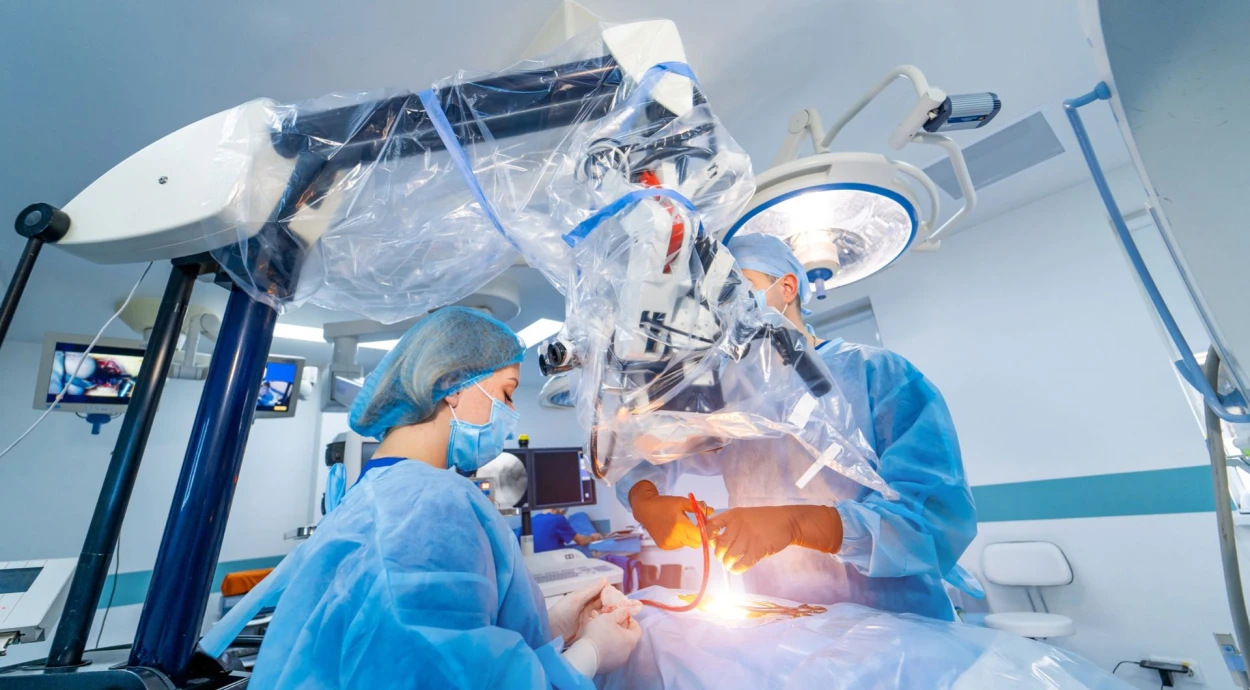
Robotic systems for performing operations? Robots were once considered science fiction. But now robotic vascular surgery is a reality that allows the surgeon to perform precise and controlled interventions.
The "Oxford Medical" clinic uses surgical instruments with built-in cameras and display systems, thanks to which the surgeon sees in real time what is happening during the operation.
Advantages of robotic surgery:
-
High precision. The risk of damage to blood vessels and nerve structures is minimized, and during surgical treatment of hard-to-reach areas, doctors have accurate access to them.
-
Reduced trauma. Much smaller incisions and minimal tissue involvement reduce the wound and stress on the patient’s body.
-
Accelerated recovery. More precise and less traumatic procedures contribute to faster recovery of patients after surgery.
Use of artificial intelligence for diagnosis and surgical planning
Artificial intelligence is already actively used in medicine in Ukraine. Neural network algorithms diagnose diseases, analyze computed tomography (CT) images in automatic mode, detect pathological changes, and are actively used in planning operations in various fields, including vascular surgery.
How does artificial intelligence improve treatment?
-
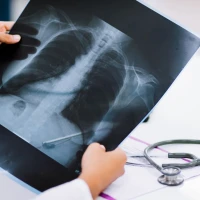
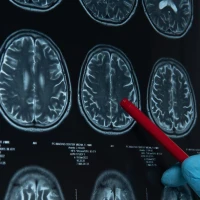
Diagnostics. AI is used for automated processing of medical images such as X-rays, MRI, and CT scans; detection of vascular diseases at an early stage; recognition and classification of anomalies.
-
Surgical planning. Thanks to AI, surgeons today create individual 3D models of the patient’s vessels and organs, which makes it possible to choose the best approach for treating a particular patient and reduce the risk of complications during and after surgery.
Minimally invasive treatment methods using catheters
Thanks to minimally invasive surgery at "Oxford Medical", treatment is carried out through small incisions and specialized instruments that provide access to the vessels. These are minimally traumatic procedures that shorten the patient’s recovery time.
How does it work?
To perform a minimally invasive surgery or diagnose medical problems, a flexible thin catheter is inserted into the patient’s body through a small incision. Some procedures can be performed without an incision by inserting the catheter through a vessel in the wrist or thigh. Often the operation is performed under local anesthesia with patient monitoring. Thanks to precise navigation of the catheter to the site of intervention, the surgeon can perform various operations:
-
angiography;
-
removal of atherosclerotic plaques;
-
stent placement;
-
laser ablation for the treatment of varicose veins;
-
balloon angioplasty to widen narrowed vessels and improve blood supply;
-
sclerotherapy.
After the procedure is completed, the catheter is removed, and the incision or access site is closed.
Where else is minimally invasive catheter surgery used?
-
Urological procedures. Catheters can be used to remove urinary stones or treat enlarged prostates in men.
-
Gastroenterological procedures. For diagnosis and treatment of stomach, intestinal, pancreatic, and gallbladder problems.
-
Gynecological procedures. For the treatment of female reproductive problems, including endometriosis and uterine fibroids.
-
Endovascular treatment of head and neck vessels. For the treatment of head and neck vessels, including carotid arteries, to prevent strokes.
-
Cardiology procedures. For the diagnosis and treatment of heart diseases, you should consult a cardiologist on the left or right bank of Kyiv. The "Oxford Medical" clinic also operates in Irpin.
Transplantation and prospects of growing artificial vessels
Vascular transplantation is a surgical procedure in which vessels from another source are used to restore defective or damaged vessels in the patient’s body. This treatment method is used to solve vascular problems such as aneurysms, stenoses, injuries, or tumor removal, as well as for vascular reconstruction during vascular surgery.
However, vascular transplantation may be limited due to a shortage of vessel donors and the risks of rejection of vessels from a foreign source. Therefore, today scientists face the challenge of finding other ways to solve these problems, such as growing artificial vessels. For this, biocompatible polymers, tissue engineering methods, and 3D printing are used. This is a promising direction in medical biotechnology that will relieve patients from waiting for vessel donors and reduce the risk of infections or rejection.
Advantages of telemedicine in consultations and diagnostics
Telemedicine provides numerous advantages in patient consultations and diagnostics:
-
remote consultations in a comfortable place for the patient;
-
avoiding long trips to the doctor or medical facility when possible;
-
studies such as X-rays, CT, or MRI scans can be sent to the doctor for remote diagnosis;
-
with the help of portable devices and sensors, patients can monitor their health and transmit data to doctors for further analysis;
-
reducing physical contacts during pandemics to prevent the spread of infections;
-
consultation with highly qualified specialists is possible even when they are in another country.
Frequently asked questions
What new technologies help reduce risks during vascular surgeries?
Minimally invasive surgery methods using flexible catheters and small incisions that allow surgeons to perform operations with less tissue trauma and faster patient recovery. Virtual reality, which surgeons use for training, solving the problem even before actual intervention. Diffusion and perfusion tomography, which allows for more accurate assessment of the state of vessels and blood supply in real time during surgery.
How is artificial intelligence used in vascular surgery?
AI algorithms help doctors quickly and efficiently diagnose diseases, analyze computed tomography (CT) images automatically, detect pathological changes, classify their type, and more carefully plan surgeries.
How does robotic surgery improve surgical outcomes?
Surgical robots help surgeons perform operations with high precision and lower risks of vessel damage. Surgical instruments with built-in cameras and display systems allow the surgeon to see in real time what is happening during the operation. Such technologies make surgical intervention less traumatic and contribute to the patient’s fast recovery.