Contents
-
Causes of gingivitis in children
-
Symptoms of gingivitis in children
-
Types of gingivitis in children
-
Methods of treating gingivitis in children
-
Possible complications of gingivitis in children
-
Prevention of gingivitis in children
Gingivitis is an inflammation of the gums, specifically the edge that adjoins the teeth. Most often, it develops in children. Up to 80% encounter the disease by the age of 16.
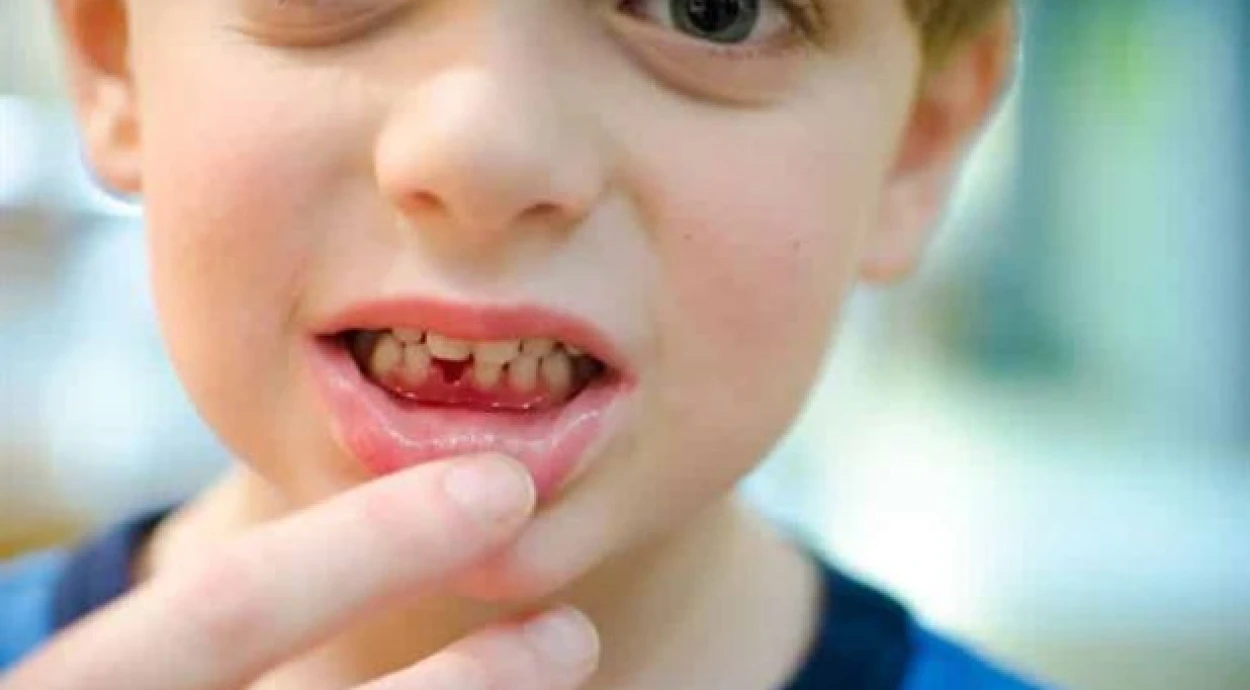
Gingivitis manifests as increased sensitivity, swelling, and bleeding of the gums. It can be suspected in a child when they refuse to eat apples, nuts, or other hard foods, as well as when plaque builds up on the teeth and bad breath appears.
At an early stage, the disease responds well to treatment, so it is important to make an appointment with a doctor when the first symptoms appear.
At the “Oxford Medical” clinic, highly qualified specialists with many years of experience work. They use play-based adaptation methods and know how to find an approach to every child and teenager. Thanks to this, the treatment of gingivitis in children is effective, fast, and painless.
Causes of gingivitis in children
In children, gingivitis occurs more often than in adults due to the functional immaturity of the gums and other physiological features. First, the child’s immune system is only forming and cannot yet protect against many diseases. Second, in early childhood, milk teeth erupt, and in adolescence, permanent teeth. In addition, children often cannot brush their teeth properly, which leads to plaque buildup and a favorable environment for bacteria.
Risk factors also include:
-
infection entering the mouth when licking toys or other objects;
-
gum injury or burn;
-
untreated caries;
-
malocclusion and crowded teeth;
-
tartar;
-
food allergies;
-
ENT diseases, ARVI, flu;
-
gastritis;
-
hormonal imbalance;
-
vitamin deficiency;
-
metabolic disorders.
Gingivitis can be a primary disease or a complication. In children, it often develops against the background of a cold, sinusitis, maxillary sinusitis, otitis, or another illness.
Symptoms of gingivitis in children
The main symptoms of gingivitis are:
-
redness and swelling of the gums;
-
bleeding when brushing teeth and chewing food;
-
pain when touching or biting hard foods;
-
white or gray plaque on the teeth;
-
bad breath.
The severity of symptoms may vary depending on the size of the affected gum area and the stage of gingivitis. In some cases, children complain of severe pain, while in others they only notice occasional bleeding. Younger children may refuse feeding, cry more often, and be irritable.
Dentists at “Oxford Medical” recommend not ignoring even mild signs of the disease, since gingivitis is the initial stage of inflammation. Without timely treatment, it can spread to other tissues and cause periodontitis, periostitis, or other complications.
Types of gingivitis in children
Most often, children develop acute gingivitis. It is accompanied by a rapid increase in symptoms and causes severe discomfort, but it responds well to treatment.
If timely medical attention is not sought, the disease may become chronic. It is characterized by reduced pain, bleeding, and other symptoms, which many parents perceive as recovery. However, the inflammation persists in a sluggish form and worsens when triggering factors appear.
Several types of gingivitis are also distinguished by the nature of the symptoms and their effect on gum tissue:
-
Catarrhal gingivitis manifests as gum bleeding when brushing, mild pain, and itching. It is considered the initial stage of the disease.
-
Ulcerative gingivitis is accompanied by the appearance of small wounds that often bleed and tissue necrosis. As a result, gray plaque accumulates on the teeth and bad breath appears. Sometimes the disease is accompanied by fever.
-
Hypertrophic gingivitis is characterized not only by swelling, soreness, and bleeding of the gums, but also by gum tissue overgrowth, which causes them to rise and cover part of the tooth crown.
-
Atrophic gingivitis, on the contrary, is manifested by gum recession and exposure of the tooth neck. As a result, the child becomes more sensitive to cold, hot, sweet, and sour foods.
-
Desquamative gingivitis manifests as severe gum redness, blister and ulcer formation, and pronounced rejection of the upper epithelial layer.
Only an experienced dentist can determine the form of the disease and prescribe the correct treatment for the child.
Most often, children are diagnosed with catarrhal gingivitis. It is considered the mildest form of the disease and responds well to therapy. However, one should not refuse to see a doctor. If the disease is not completely cured, it may progress to the next stage.
Methods of treating gingivitis in children
In gingivitis, comprehensive therapy is recommended. It is important not only to relieve inflammation and eliminate symptoms that bother the child but also to remove the infection and the conditions for its recurrence.
Depending on the form of the disease, the dentist may prescribe:
-
professional teeth cleaning to remove plaque and tartar, which serve as a breeding ground for bacteria;
-
rinsing with antiseptic medications;
-
applying medicinal ointments to the gums;
-
gum cleaning with an irrigator;
-
taking antibacterial, anti-inflammatory drugs, vitamin complexes, etc.
Professional cleaning is one of the key stages of therapy. In one session, it reduces the number of harmful bacteria in the child’s mouth and eliminates conditions that promote their development.
At “Oxford Medical,” the procedure is carried out using an ultrasonic device or the Air Flow method. It involves the use of an aerosol consisting of water and abrasive components. The cleaning mixture is supplied by an air stream and removes microbial plaque not only from the enamel but also from the gums. Both procedures are completely painless and take about half an hour.
The second stage of treatment is drug therapy, which can be carried out at home. Usually, antiseptic rinses and medicinal ointments are prescribed. As for antibiotics and other systemic medications, they are recommended only in complicated cases.
Possible complications of gingivitis in children
In most children, gingivitis is successfully treated and does not cause complications. But they can occur if medical attention is not sought in time or if self-treatment is attempted. In this case, there is a risk of the disease progressing to a chronic stage, which is dangerous due to:
-
development of periodontitis;
-
loosening of healthy teeth;
-
spreading of infection to ENT organs, respiratory and digestive systems.
Prevention of gingivitis in children
To reduce the risk of recurrent gingivitis, dentists recommend:
-
carefully monitoring the child’s oral hygiene;
-
starting to brush the baby’s teeth and gums from a few months of age, initially using silicone brushes that fit on the finger;
-
teaching the child to brush their teeth independently from the age of 2–3 years;
-
changing the toothbrush at least once every 3 months;
-
choosing quality toothpaste;
-
providing the child with a balanced diet;
-
taking the child to the dentist every 6 months;
-
performing professional teeth cleaning if necessary.
Poor hygiene is one of the main causes of gum inflammation, so it is important to teach the child to brush their teeth regularly from an early age. For this, you can visit a pediatric dentist at Oxford Medical. The doctor will show the child in a playful way how to brush their teeth correctly so they always stay strong and healthy.
To make an appointment with a pediatric dentist, call our contact center or leave a request on the website.
Sources:
-
Hindawi
-
US National Library of Medicine
-
Scientific Reports