Contents
-
Modern methods of diagnosing skin diseases
-
Which diseases are effectively treated by modern dermatology?
-
Innovative methods of treating skin diseases
-
Which treatments for skin diseases are the most effective?
-
What new procedures and technologies are used to reduce skin pigmentation and correct uneven tone?
-
How to properly care for your skin?
-
Frequently Asked Questions
Skin diseases often cause not only physical discomfort but also problems in personal life and social interactions. That is why it is so important to receive effective treatment as quickly as possible. Fortunately, the latest medical technologies make it possible to cope with most conditions. The main thing is to consult a doctor in time, undergo the necessary diagnostics, and receive prescribed treatment.
Modern methods of diagnosing skin diseases
There are many skin diseases. Some are relatively easy to diagnose, while others are not. Some conditions have similar clinical presentations but require different treatment methods. An incorrect diagnosis may not only result in a lack of treatment effect but also lead to complications. To prevent this, doctors first conduct diagnostics.
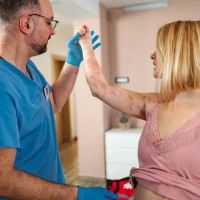
During a consultation, the dermatologist first talks with the patient, asking about complaints and when they appeared. After this, the doctor examines the affected skin area.
If indicated, the doctor may prescribe the following examinations:
-
Dermatoscopy – the procedure consists of examining skin lesions, mainly moles, with a dermatoscope. This is a special device that, using tenfold magnification and polarization filters, allows one to "look" under the stratum corneum. Such an examination helps the doctor determine whether a mole is benign or if there is a risk of malignancy and additional examination is required.
If necessary, a camera can be attached to the dermatoscope to take an image. This makes it possible to assess the dynamics of a lesion at the next visit. The procedure is safe, painless, and performed directly during the dermatology appointment. At Oxford Medical, the LED dermatoscope Heine Delta 20 Plus from the world leader in diagnostic optics is used. -
Trichoscopy – a method of visual examination of the scalp and hair. The procedure is carried out using a trichoscope, which, like a dermatoscope, provides multiple magnification and allows photographs to be taken. It is prescribed for seborrhea, dandruff, itchy scalp, excessive hair loss, alopecia, and aesthetic problems such as hair brittleness and the need for customized hair care product selection.
-
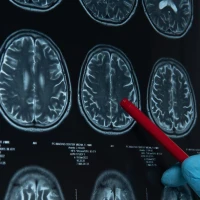
Ultrasound examination of the skin – allows assessment of the deeper skin layers, determining the structure, size, and boundaries of lesions. Ultrasound is prescribed when malignancy is suspected and for differential diagnosis of precancerous conditions. It may also be recommended before aesthetic procedures.
-
Laboratory tests – provide an accurate diagnosis and are indispensable in differential diagnostics. Depending on the indications, the patient may be prescribed a skin scraping, general and biochemical blood tests, antibody tests, cytological or histological studies, or allergy tests. These allow the identification of infectious and inflammatory skin diseases, as well as the nature of lesions. Tests are also often prescribed to evaluate treatment effectiveness.
In some cases, based on test results, the dermatologist may refer the patient to another specialist—such as a gastroenterologist, endocrinologist, or infectious disease doctor—for a comprehensive treatment program.
Which diseases are effectively treated by modern dermatology?
Specialists at Oxford Medical note that some acute skin diseases can be completely cured with conservative therapy or minor surgical interventions. As for chronic diseases, modern methods often reduce symptom severity and relapse frequency.
Modern technologies effectively treat:
-
various types of dermatitis;
-
demodicosis;
-
acne;
-
rosacea;
-
vitiligo;
-
skin hyperpigmentation;
-
eczema;
-
psoriasis;
-
fungal diseases of the skin and nails;
-
lichen;
-
seborrhea;
-
alopecia;
-
benign skin lesions;
-
stretch marks and scars.
Innovative methods of treating skin diseases
In recent decades, dermatology and cosmetology, in addition to medication therapy, have actively applied hardware-based treatment and correction methods. They significantly increase therapy effectiveness and help reduce or completely eliminate skin imperfections such as post-acne, pigmentation, spider veins, scars, and more.
A true innovation in dermatology has been the use of:
-
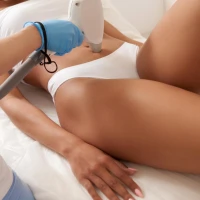
Laser technologies. Light energy penetrates different skin layers and heats them, destroying damaged cells and stimulating regeneration. Used for scar and lesion removal, stretch mark treatment, hyperpigmentation and couperose reduction, skin texture and tone improvement, hair removal, and anti-aging.
-
Radiofrequency energy (RF). Fractional RF exposure produces heat in specific skin layers, improving texture and tone, removing lesions, stretch marks, scars, and rejuvenating the skin.
-
Ultrasound waves. Applied in ultrasound facial cleansing, they promote pore cleansing, exfoliation, lymph flow improvement, and metabolism.
-
Ultraviolet radiation. Used in phototherapy, indicated for psoriasis, atopic dermatitis, acne, and vitiligo.
-
Liquid nitrogen. Cryotherapy at very low temperatures removes small lesions, treats acne, couperose, pigmentation, swelling, and redness.
-
Plasma therapy. An injectable method in which platelet-rich plasma, derived from the patient’s own blood, is injected into problem areas. It is used for scalp conditions, alopecia, dermatological diseases, and cosmetic concerns.
Which treatments for skin diseases are the most effective?
Effectiveness depends on accurate diagnosis. That is why it is essential to consult an experienced dermatologist and undergo diagnostics. Based on the results, the specialist creates an individual treatment plan and selects the best procedures.
For eczema and psoriasis, properly selected medication therapy is the most effective, significantly alleviating symptoms and controlling the disease.
For onychomycosis (nail fungus), laser treatment is highly effective. Unlike creams (which barely penetrate the nail plate) and systemic drugs (effective but toxic for the body), the laser penetrates the nail plate and eliminates the infection safely and painlessly. On average, 4–6 sessions of 15–20 minutes are needed.
For stretch marks, scars, and keloids, laser or RF resurfacing is irreplaceable. At Oxford Medical, resurfacing is performed using three modern devices: Matrix RF (Syneron, Israel), E-Max (Elos, Syneron), and Candela CO2RE (USA). These technologies act on different skin layers, ensuring maximum results with minimal damage to healthy tissues.
Laser therapy is also effective for couperose (spider veins), as the beam coagulates capillaries, eliminating redness.
For lesions, doctors use laser, RF methods, or cryotherapy. The choice depends on individual indications.
Significant advances have been made in alopecia treatment, particularly with plasma therapy, which improves follicle nutrition, activates local blood circulation and metabolism, and enhances regeneration.
What new procedures and technologies are used to reduce skin pigmentation and correct uneven tone?
To combat pigmentation and improve complexion, the following are used:
-
Elos technology. Combines light energy and electric current to affect the skin at about 4 mm depth. On average, 5–7 sessions are required at 2–4-week intervals, with about a 1-week recovery period.
-
Fractional thermolysis with Matrix RF. Radiofrequency energy affects the dermis while sparing the epidermis, making the procedure minimally invasive. Recovery takes up to 5 days, and results appear after 3–6 sessions with 3–4-week intervals.
How to properly care for your skin?
Proper skin care is the key to its health and beauty. To learn the correct approach and choose products suited to your skin type and condition, it is best to consult a professional cosmetologist.
General skin care rules:
-
wash your face in the morning and evening using suitable cleansers;
-
tone the skin;
-
apply facial cream twice daily;
-
use sunscreen before going outside;
-
avoid smoking and harmful habits;
-
maintain a balanced diet;
-
regularly visit a cosmetologist for professional care.
Frequently Asked Questions
How does laser resurfacing help treat different types of scars?
The laser beam precisely targets scar tissue, heating it to high temperatures and destroying damaged cells. New healthy cells then replace them. Within several sessions, scars can be significantly reduced, pigmentation removed, and in some cases, completely eliminated.
What are the advantages and disadvantages of laser hair removal compared to other methods?
Laser hair removal is considered the most effective and comfortable method. The laser heats the pigment melanin in the hair, destroying the follicle, which prevents regrowth. After several weeks, the hair falls out, and following a full course, the skin becomes smooth.
The disadvantage is that results are not immediate. Typically, 10–12 sessions with 1–3-month intervals are needed.
Which cosmetic procedure is more effective: biorevitalization or plasmolifting?
Biorevitalization involves injecting hyaluronic acid to:
-
restore skin hydration;
-
eliminate dryness and flaking;
-
improve elasticity;
-
even out texture and tone;
-
reduce wrinkle depth and slow aging.
Plasmolifting uses platelet-rich plasma from the patient’s blood to:
-
increase skin tone and elasticity;
-
lift the facial contour;
-
reduce wrinkles and sagging;
-
improve texture and complexion;
-
rejuvenate naturally and harmoniously;
-
treat hyperpigmentation by regulating melanin production;
-
restore normal skin hydration and oil balance.
Thus, biorevitalization and plasma therapy have different indications and effects. Only a specialist can determine which procedure will be more effective in each case.