Contents:
- What CT and MRI Show
- The Principle of CT and MRI Operation
- What Is the Difference Between CT and MRI
- MRI or CT: What Is Better to Choose in Different Cases
- What Is More Accurate — CT or MRI
- How Often CT and MRI Can Be Done
In modern medicine, radiation diagnostic methods are used to diagnose many diseases, allowing detailed images of internal organs and tissues to be obtained. Among the most informative examinations are computed tomography (CT) and magnetic resonance imaging (MRI). Thanks to CT and MRI, the detection of diseases of various organs and body systems has become possible at early stages of development.
Both methods are widely used in different fields of medicine. They help identify the consequences of injuries, inflammatory processes, neoplasms, vascular disorders, and other pathologies. At the same time, the capabilities of these examinations differ, so they are prescribed in different cases depending on the clinical situation and on which particular organs or tissues need to be examined.
In this article, we will consider what the difference is between MRI and computed tomography, what these methods show, and in which cases a doctor may recommend one type of examination or the other.
What CT and MRI Show
CT and MRI examinations are used to diagnose a wide range of diseases. In particular, they help identify:
- the consequences of injuries and damage;
- inflammatory processes in organs and tissues;
- various neoplasms;
- circulatory disorders and vascular pathologies;
- degenerative changes in the joints and spine.
At the same time, the capabilities of these methods differ somewhat. CT is especially informative for evaluating bone structures, the condition of the lungs, the nasal sinuses, as well as in cases of suspected traumatic injuries or internal bleeding. Due to the high speed of the examination, this method is often used in emergency medicine.
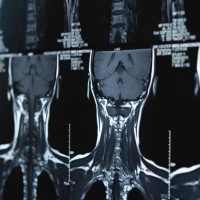
Magnetic resonance imaging shows soft tissues better, so it is widely used to examine the brain, spinal cord, joints, ligaments, and intervertebral discs. Using this method, the doctor can detect tumors, inflammatory processes, degenerative changes in the spine, ligament damage, or other soft tissue pathologies.
.jpg)
The Principle of CT and MRI Operation
Computed tomography and magnetic resonance imaging make it possible to obtain layered images of the internal structures of the body. However, these methods are based on different physical principles, so they have different capabilities in the visualization of organs and tissues.
During CT, X-rays are used. During the examination process, the X-ray tube together with the detector system rotates around the examined area of the body and performs a series of images from different angles. The obtained data are processed by a computer system, which forms detailed layered images of organs and tissues. Thanks to this, the method is well suited for evaluating bone structures, the condition of the lungs, the paranasal sinuses, as well as for detecting injuries, fractures, and internal bleeding.
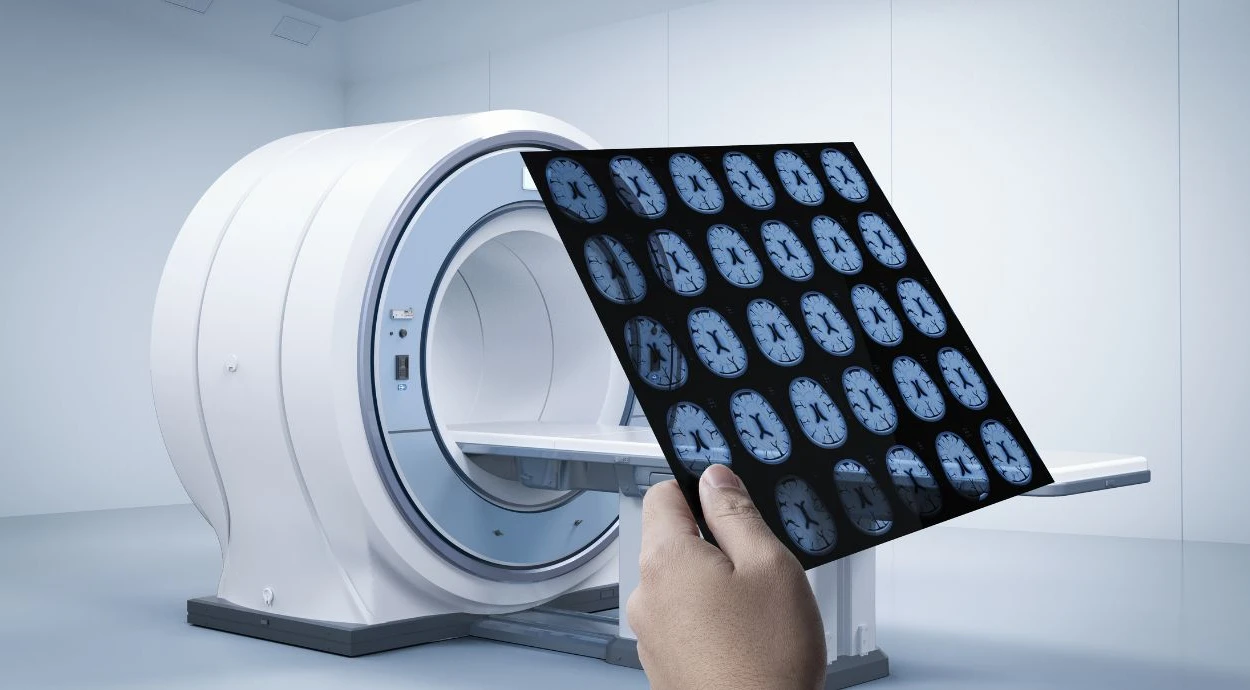
Magnetic resonance imaging works according to a different principle. During MRI, a strong magnetic field and radiofrequency impulses are used. A special system analyzes the signals from the body tissues and, on their basis, forms detailed images of the examined area. Thanks to this, the method is especially informative for evaluating soft tissues — for example, the brain, joints, ligaments, or intervertebral discs.
It is precisely the different physical principles of operation that explain the difference between CT and MRI and the different capabilities of these methods in diagnostics.
What Is the Difference Between CT and MRI
The main differences between these methods are related to the principle of operation, the speed of the examination, and which tissues they show best.
Computed tomography:
- uses X-rays;
- is performed quite quickly — usually within a few minutes;
- shows dense structures well;
- makes it possible to accurately evaluate the condition of the bones, lungs, and paranasal sinuses;
- is often used in cases of injuries and suspected internal bleeding.
Magnetic resonance imaging:
- works using a magnetic field and radio waves;
- usually lasts longer than CT;
- provides high contrast of soft tissues;
- makes it possible to evaluate in detail the structure of the brain, joints, ligaments, and intervertebral discs.
Thus, the main difference is that CT is better suited for evaluating bone structures and some organs of the chest, whereas MRI is more informative for examining soft tissues. That is why the doctor chooses the examination method depending on the clinical situation and the diagnostic task.
MRI or CT: What Is Better to Choose in Different Cases
Most often, patients are interested in what is better, CT or MRI, however, these examinations are not interchangeable. They are used for different diagnostic tasks. The choice of the examination method depends on which particular organs or structures need to be evaluated and what information the doctor needs to obtain. In some situations, computed tomography is more informative, whereas in other cases preference is given to magnetic resonance imaging.
Brain Examination
For evaluating brain structures, MRI is used more often, since this method makes it possible to visualize soft tissues in detail. Magnetic resonance imaging helps detect tumors, inflammatory processes, disorders of cerebral circulation, demyelinating changes, and also evaluate the condition of brain structures after injuries.
At the same time, brain CT is often used in emergency situations. This method makes it possible to quickly detect intracranial hemorrhages, the consequences of traumatic brain injury, and fractures of the skull bones.
Abdominal Examination
Both methods may be used to evaluate the abdominal organs, however, they have different diagnostic capabilities. Computed tomography is well suited for evaluating the liver, pancreas, spleen, kidneys, and abdominal vessels, as well as for detecting traumatic injuries or internal bleeding.
Magnetic resonance imaging is more often used for a more detailed evaluation of soft tissues and the biliary tract. For example, this method is used to visualize the gallbladder and bile ducts or in cases of suspected neoplasms of the internal organs.
Spinal Examination
For diagnosing most diseases of the spine, MRI is usually prescribed, since this method makes it possible to evaluate in detail the intervertebral discs, spinal cord, ligaments, and the soft tissues around the spine. With the help of such an examination, it is possible to detect herniated intervertebral discs, inflammatory processes, tumors, or other pathological changes.
Computed tomography is used mainly for evaluating the bone structures of the spine. It helps detect fractures, cracks, deformities of the vertebrae, and other changes in bone tissue.
Knee Joint Examination
For evaluating the knee joint, magnetic resonance imaging is usually more informative. It makes it possible to examine in detail the menisci, ligaments, articular cartilage, and other soft tissue structures.
Computed tomography may be used in cases when it is necessary to evaluate the condition of the bone structures of the joint or clarify the nature of traumatic injuries.
Sinus Examination
For examining the paranasal sinuses, CT is used most often, since this method shows bone structures well and makes it possible to evaluate the anatomy of the sinuses in detail. Such an examination helps detect inflammatory processes, polyps, cysts, or anatomical features that may affect nasal breathing.
Magnetic resonance imaging is used less often in this area, but may be used to clarify changes in soft tissues or in cases of suspected spread of the pathological process beyond the sinuses.
What Is More Accurate — CT or MRI
The question of the accuracy of these methods arises quite often, however, there is no universal answer. The accuracy of the examination depends on which particular organs or tissues need to be evaluated, as well as on the clinical situation.
Computed tomography provides high accuracy in the examination of bone structures, the lungs, the paranasal sinuses, and some abdominal organs. This method is well suited for detecting fractures, traumatic injuries, hemorrhages, as well as for diagnosing stones in the kidneys or gallbladder. For example, in dentistry, dental CT is widely used, which makes it possible to evaluate in detail the condition of the jaw bones, tooth roots, and surrounding tissues.
Magnetic resonance imaging provides higher informativeness in the examination of soft tissues. It makes it possible to evaluate in detail the structures of the brain and spinal cord, intervertebral discs, joints, ligaments, and other soft tissue structures.
Thus, these methods do not compete with each other, but complement one another. That is why the doctor chooses the type of examination depending on which particular pathology needs to be confirmed or ruled out.
How Often CT and MRI Can Be Done
Computed tomography is associated with the use of X-ray radiation, so radiation exposure is taken into account when planning the examination. There are approximate safe levels of radiation exposure. For example, the average permissible additional dose of medical radiation for diagnostic examinations usually should not exceed approximately 20 mSv per year if it is not related to the treatment of oncological diseases.
At the same time, the radiation dose during one CT examination depends on the area of the body. For example:
- head CT — approximately 1–2 mSv;
- CT of the paranasal sinuses — about 0.5–1 mSv;
- chest CT — approximately 5–7 mSv;
- abdominal CT — on average 8–10 mSv.
This means that in most cases computed tomography can be performed several times during the year if the clinical situation requires it. For example, in cases of injuries, follow-up after surgeries, or monitoring of certain diseases, the doctor may prescribe a repeat CT after a certain period of time.
At the same time, it is often not recommended to perform such an examination frequently without medical indications. Modern tomographs use minimal doses of radiation, however, the decision on a repeat examination is always made by the doctor taking into account the benefit of diagnostics and the possible radiation exposure.
Magnetic resonance imaging works without the use of X-ray radiation, so there are no restrictions regarding radiation dose for this method. If necessary, MRI can be performed several times during the year, for example to monitor the course of the disease or evaluate the results of treatment.
In conclusion, it is worth noting that there are both advantages and disadvantages of MRI and CT, so they are not interchangeable. Each of these examinations is used to solve different diagnostic tasks and helps the doctor obtain accurate information about the condition of organs and tissues.
That is why the choice between CT or MRI depends on the clinical situation, the patient’s symptoms, and which body structures need to be evaluated. A properly selected examination method helps establish the diagnosis faster and determine further treatment tactics.
The information in the article is provided for ознакомлення and is not a guide to self-diagnosis and treatment. If symptoms of the disease appear, you should consult a doctor.
Sources: