Contents:
-
Proctologist and Coloproctologist: what is the difference?
-
What should you bring to a proctologist appointment?
-
Nutrition before seeing a proctologist
-
Hygiene before a proctologist examination
-
What should not be done before visiting a proctologist?
-
How does a proctological examination take place?
-
Who should visit a proctologist and how often?
-
How to make an appointment with a proctologist at Oxford Medical?
-
Frequently Asked Questions
Proctology is quite an intimate field, so the first visit to the doctor always causes anxiety. How does the appointment go? How to prepare for it properly? These questions concern every patient and often make them postpone the visit.
Today we will explain in detail the necessary diet, intimate hygiene, and the initial examination. It is worth knowing in advance that in modern clinics, the appointment takes place in comfortable conditions and with full confidentiality. There is no need to worry — the earlier you start treatment, the easier and more effective it can be.
Proctologist and Coloproctologist: what is the difference?
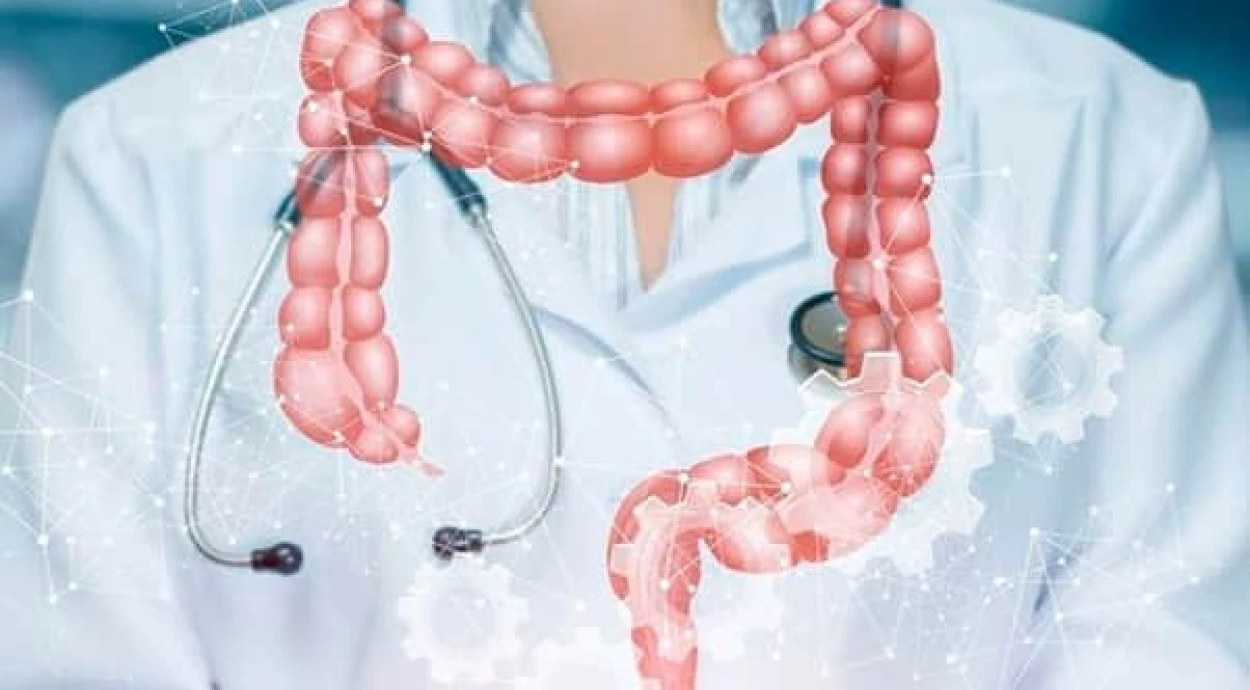
The first difficulty patients face is the question of which doctor to see: a proctologist or a coloproctologist? In fact, there is no difference. The word “proctologist” appeared first. It comes from the Latin “proctos,” which means “anus.” But since the doctor also works with other organs, later he began to be called a coloproctologist, from the word “colon,” or “large intestine.”
A proctologist, or coloproctologist, is a specialist who diagnoses and treats diseases of the sphincter, perianal area, perineum, and large intestine. Most often, patients see this doctor for:
-
hemorrhoids;
-
anal fissures;
-
damage to the intestinal mucosa;
-
polyps;
-
malignant tumors;
-
rectal prolapse;
-
proctitis and paraproctitis.
What should you bring to a proctologist appointment?
During the first visit, the doctor must collect information about the patient’s health. If available, you should bring a medical record, test results, instrumental examinations, previous doctor’s conclusions, and so on.
When visiting a proctologist in a public clinic, it is also recommended to bring a disposable sheet, slippers or shoe covers, rubber gloves, paper, and hygiene wipes. In private clinics, as a rule, all necessary materials are available, and the patient does not need to worry about such details.
Nutrition before seeing a proctologist
During the first appointment, the proctologist may conduct an examination and, if necessary, simple instrumental studies. To ensure the results are as accurate as possible, the intestines must be prepared in advance.
1–2 days before, it is advisable to exclude foods that cause increased flatulence, dense stools, or diarrhea. These include:
-
heavy fatty, fried, smoked products (sausages, etc.);
-
seafood;
-
dairy and fermented milk products;
-
mayonnaise, sauces;
-
confectionery (cakes, pastries);
-
cabbage, cucumbers, zucchini;
-
legumes (beans, peas);
-
potatoes;
-
mushrooms;
-
carbonated drinks;
-
coffee;
-
alcoholic beverages.
Instead, you can eat cereals, chicken or turkey fillet, vegetable soups, fresh vegetables, and fruits — they contain a lot of fiber, which improves intestinal peristalsis.
If the consultation is scheduled for the morning, it is conducted on an empty stomach. If in the afternoon, you can have a light breakfast (boiled egg, cheese sandwich, tea) — no later than 2–3 hours before the appointment. Still water is also allowed.
Hygiene before a proctologist examination
Before the examination, the intestines should be cleansed. This can be done with:
-
a laxative;
-
a micro-enema;
-
an Esmarch’s mug.
The first two options are simpler and more comfortable, but before using them, it is advisable to consult a doctor. He will advise which remedy to choose and how to use it correctly.
Oxford Medical specialists explain that laxatives are usually taken 12 hours before a proctologist visit. They ensure fluid retention in the body and stool softening. As a result, intestinal peristalsis improves, and the intestine empties naturally. The second option is a micro-enema. This is a single-use product sold in pharmacies. It contains 150–200 ml of medicinal solution intended for rectal administration. It is advisable to do the enema 5 hours before the doctor’s appointment, following the instructions. In some cases, for more thorough cleansing, an enema with an Esmarch’s mug is performed. Its volume is 1.5 to 2 liters. The procedure is usually carried out in a hospital setting.
What should not be done before visiting a proctologist?
For several days before visiting a proctologist, you should not eat foods that cause flatulence, constipation, or diarrhea. Alcoholic beverages are also not recommended.
In addition, you should not eat heavily right before the consultation. If it is scheduled for the morning, it is best to refrain from eating. If in the evening, you can have a light breakfast.
It is equally important before the visit to cleanse the intestines and ensure intimate hygiene.
How does a proctological examination take place?
During the first consultation, the proctologist first speaks with the patient, learns about their complaints, and reviews the available medical documentation. After this, the doctor performs a physical examination, which may include:
-
anoscopy – visual examination of the anus and perianal area;
-
digital rectal examination – allows detection of anal fissures, hemorrhoids, polyps, and tumors.
After the examination, the doctor may make a diagnosis and prescribe treatment or recommend further tests to clarify the cause of the disease.
At Oxford Medical, consultations are held in comfortable conditions with full confidentiality.
Who should visit a proctologist and how often?
Men and women over 40 are advised to undergo a preventive examination by a proctologist once a year. At this age, the risk of gastrointestinal diseases, including malignant ones, increases.
At-risk groups include people with a family history, overweight, diabetes, sedentary lifestyle, poor diet, bad habits, and more.
You should also see a proctologist outside of schedule if you are concerned about:
-
pain, discomfort in the anal area;
-
itching, burning;
-
formation of hemorrhoidal nodes or anal fissures;
-
blood or mucus in the stool;
-
frequent constipation or diarrhea;
-
abdominal pain;
-
bloating;
-
sudden weight loss;
-
weakness;
-
low-grade fever with other symptoms;
-
anal area injuries.
How to make an appointment with a proctologist at Oxford Medical?
At Oxford Medical, all conditions are created so that visiting the doctor is as comfortable and effective as possible for the patient. The clinic employs proctologists with many years of experience and uses new expert-class diagnostic equipment.
To make an appointment with a proctologist, call our contact center or leave a request on the website. Our specialists will find a convenient time for you and, if necessary, explain how to prepare properly for the consultation.
Frequently Asked Questions
Can you eat before seeing a proctologist?
For 1–2 days before the appointment, it is advisable to follow a light diet. Exclude foods that cause flatulence and dense stools: fatty meats and fish, sausages, smoked foods, confectionery, legumes, carbonated drinks, and alcohol.
Right before the consultation, the last meal should be no later than 2–3 hours before. You can eat one egg or a cheese sandwich. If the visit is in the morning, it is better to come on an empty stomach. Still water can be consumed without restrictions.
Can you prepare for a proctologist visit without an enema?
When preparing for the first visit, you can cleanse the intestines with an Esmarch’s mug, a micro-enema, or a laxative. The use of the latter should be discussed with the doctor to exclude contraindications and side effects.
Is preparation always necessary?
For the first visit to a proctologist, minimal preparation is required. This includes a light diet for 1–2 days and bowel cleansing with an enema or laxative.
The rules for preparing for colonoscopy and other instrumental studies differ slightly. The doctor explains them directly before the procedure.
What does a proctologist do at the first appointment?
During the first consultation, the specialist learns about the patient’s complaints and reviews the medical record. After this, he conducts an examination, which may include anoscopy and a digital rectal exam. All procedures are painless and performed in comfortable conditions.
Related services:
-
Proctology
Sources:
National Library of Medicine
DDG-Gastro
Healthline