


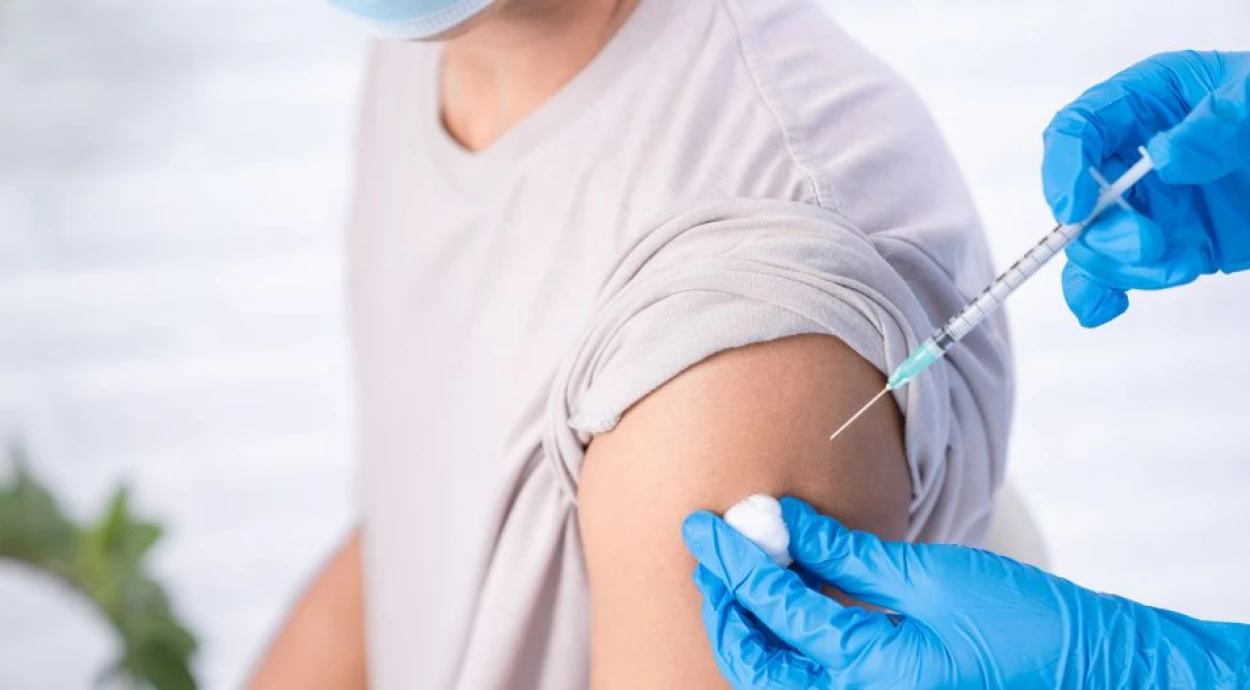
Vaccination is one of the most effective methods of protecting the body from infectious diseases. Thanks to vaccinations, millions of people around the world avoid dangerous complications associated with diseases such as measles, tetanus, influenza, hepatitis B, poliomyelitis, and many others. Timely vaccination in childhood and its updates in adulthood are an important contribution to the health of every person and society as a whole.
However, there are many myths surrounding vaccination, which is why some people doubt its safety and necessity. In this article, we will consider how vaccines work, why they are important for children and adults, and also answer frequently asked questions about immunization.
What is vaccination and how does it work?
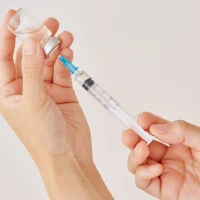
Vaccination is the process of introducing a special preparation (a vaccine) into the body, which helps the immune system develop protection against certain infectious diseases. Vaccines may contain attenuated or inactivated (killed) microorganisms, their individual components, or synthetic proteins that mimic disease pathogens.
After the vaccine is administered, the immune system begins to produce antibodies that recognize and destroy the infection when encountering it in the future. This allows the body to “remember” the pathogen and respond to it quickly and effectively. It is precisely thanks to this principle that vaccines protect against dangerous diseases and their complications.
The importance of vaccination for children
A child’s body does not yet have formed immunity to many infections, so newborns and young children are especially vulnerable to viruses and bacteria. According to the recommendations of the World Health Organization (WHO), vaccination is one of the most effective ways to protect against life-threatening diseases such as diphtheria, pertussis, measles, poliomyelitis, and tetanus. It is thanks to vaccinations that humanity has managed to eradicate smallpox and significantly reduce the spread of poliomyelitis worldwide.
According to WHO, vaccination saves millions of children’s lives every year, and refusal of vaccinations can lead to increased morbidity and the return of epidemics. For example, measles—a disease that can be completely controlled with a vaccine—caused more than 140,000 deaths worldwide in 2018, most of them among children under 5 years of age. Measles cases began to rise precisely in those countries where vaccination coverage decreased.
Timely vaccination of children according to the National Immunization Schedule helps to:
-
Protect the child from severe infections that can lead to serious complications such as encephalitis (inflammation of the brain), paralysis, blindness, or even death.
-
Prevent the spread of diseases in children’s groups—infectious diseases spread very quickly in kindergartens and schools, and vaccination significantly reduces the risk of epidemics.
-
Ensure “herd immunity,” which is especially important for infants who have not yet received all the necessary vaccinations, and for children with medical contraindications to vaccination.
-
Reduce the risk of developing chronic consequences after infectious diseases, such as damage to the cardiovascular system, lung complications, and neurological disorders.
One of the important seasonal vaccinations is flu vaccination for children. According to WHO, children under 5 years of age belong to the high-risk group for flu complications, such as pneumonia, bronchitis, and exacerbation of chronic diseases. That is why, before the start of the autumn-winter season, it is recommended to vaccinate to protect the child from severe consequences of the disease.
A child can receive a flu vaccination in Kyiv at the Oxford Medical medical center. The clinic uses only high-quality vaccines that are safe for children’s health and provide reliable protection.
Why vaccination is important for adults
Vaccination is necessary not only in childhood—immunity gradually weakens in adulthood, and the risk of infection with certain infections may even increase. Updating vaccinations and additional vaccines help protect yourself and those around you.
Adults are recommended to:
-
Receive booster vaccination against tetanus and diphtheria every 10 years.
-
Get vaccinated against flu annually, especially if there are chronic diseases.
-
Receive vaccination against hepatitis B if it has not been done earlier.
-
Be vaccinated against pneumococcal infection for older people or those with respiratory diseases.
For example, flu vaccination for adults is recommended annually because the virus is constantly changing, and immunity after vaccination lasts about a year.
The importance of seasonal vaccination: flu vaccination
Influenza is a serious viral disease that can cause severe complications, including pneumonia, cardiovascular diseases, meningitis, and even a fatal outcome. According to WHO, influenza claims from 290,000 to 650,000 lives worldwide every year.
Who should be vaccinated first:
-
Children from 6 months of age.
-
People with chronic diseases (diabetes, asthma, cardiovascular diseases).
-
Pregnant women.
-
People aged 60 years and older.
-
Healthcare workers.
The flu shot not only protects against severe disease but also prevents the spread of the virus among others.
High-quality vaccines that meet WHO recommendations are available in Ukraine. The flu vaccine in Ukraine is updated annually according to the strains circulating in the specific season.
If you are looking for where to get a flu shot for children, contact the modern children’s hospital Oxford Medical. Our experienced pediatricians will perform an examination and flu vaccination for children quickly and in the most comfortable conditions.
Vaccination schedule: when and which vaccinations need to be done
In Ukraine, there is a National Schedule of Preventive Vaccinations, developed in accordance with the recommendations of the World Health Organization. It determines the optimal age for administering vaccines to ensure the maximum level of protection against infectious diseases. Adhering to this schedule allows immunity to be formed in the most vulnerable periods of a person’s life.
Vaccination of children
Newborns and young children are especially vulnerable to infections, so the main vaccinations are given in the first months and years of life.
Vaccinations in the maternity hospital:
-
Day 1 – vaccination against hepatitis B (the first dose is administered immediately after birth, as the virus can be transmitted from the mother or through medical procedures).
-
Day 3–5 – vaccination against tuberculosis (BCG). This is one of the most important vaccines, since Ukraine belongs to countries with a high prevalence of tuberculosis.
Vaccination during the first year of life:
-
2 months – first dose of vaccine against pertussis, diphtheria, tetanus (DTP), poliomyelitis, and Haemophilus influenzae type B. The second dose of the hepatitis B vaccine is also administered.
-
4 months – repeated vaccination with the same vaccines.
-
6 months – third dose of vaccines against pertussis, diphtheria, tetanus, poliomyelitis, Haemophilus influenzae type B, and the third dose of hepatitis B.
-
12 months – vaccination against measles, mumps, and rubella (MMR). This is a critically important vaccine, as measles can cause severe complications, including pneumonia and encephalitis.
Vaccinations in preschool age:
-
1.5 years – booster vaccination against pertussis, diphtheria, tetanus, poliomyelitis, and Haemophilus influenzae.
-
6 years – booster vaccination against measles, rubella, and mumps. The first booster vaccination against diphtheria, tetanus, and poliomyelitis is also carried out.
Vaccinations in adolescence:
-
14 years – booster vaccination against poliomyelitis.
-
16 years – repeated vaccination against diphtheria and tetanus (thereafter, these vaccinations must be repeated every 10 years throughout life).
Seasonal vaccination:
-
The flu shot for children aged from 6 months is recommended annually, since this virus constantly mutates, and children belong to the risk group for flu complications.
Vaccination of adults
A person’s immune system changes with age, so vaccinations received in childhood may lose effectiveness. Some vaccines need to be updated, and others need to be received for the first time if they were not administered earlier.
Basic mandatory vaccinations for adults:
-
Every 10 years – booster vaccination against diphtheria and tetanus. If a person does not have documentation of previous vaccinations, it is recommended to undergo primary vaccination in three stages.
-
Annually – vaccination against influenza. The influenza virus is constantly changing, so vaccination needs to be updated each year. The most important is the influenza A vaccine for healthcare workers, people with chronic diseases, and persons over 60 years old.
Additional vaccinations for adults:
-
Hepatitis B – if vaccination was not done in childhood, it is recommended to undergo a full three-dose course.
-
Measles, mumps, rubella – people who were not vaccinated in childhood or do not have confirmed vaccination data must receive two doses of the vaccine.
-
Chickenpox (varicella) – vaccination is recommended for adults who have not had chickenpox, especially women planning pregnancy.
-
Pneumococcal infection – the vaccine is recommended for people over 50 years old and persons with chronic respiratory diseases.
Myths and reality about vaccination
Despite significant progress in medicine, myths about vaccination continue to exist, causing doubts among part of society. Some of them spread due to insufficient awareness, others due to misinformation. Let us consider the most popular myths and debunk them based on scientific data and the recommendations of the World Health Organization.
Myth 1: Vaccines are dangerous because they contain toxic substances
Reality: Vaccines undergo multi-level safety control, and all their components are used in safe concentrations.
Some people believe that vaccines contain harmful substances such as mercury, aluminum, or formaldehyde that can poison the body. In fact, all these substances are either completely absent in modern vaccines or are present in microscopic amounts that do not pose any danger.
For example, aluminum compounds are used in some vaccines to enhance the immune response, but their concentration is much lower than what we receive daily from food or water. Formaldehyde is a natural compound produced by the human body in much larger quantities than is contained in vaccines.
All vaccines, before being approved for use, undergo rigorous clinical trials that confirm their safety and effectiveness. WHO and the European Medicines Agency (EMA) monitor vaccine production, ensuring their compliance with international standards.
Myth 2: Vaccinations cause autism
Reality: No scientific study has proven a link between vaccination and the development of autism.
This myth originates from a 1998 publication in The Lancet, in which author Andrew Wakefield claimed that the measles, mumps, and rubella (MMR) vaccine could cause autism. However, subsequent checks revealed that the study was falsified, and Wakefield himself was stripped of his medical license for fraud.
After that, numerous large-scale studies involving hundreds of thousands of children were conducted, which did not find any connection between vaccination and autism. For example, in 2019, a study in Denmark on more than 650,000 children confirmed that the rate of autism is the same among vaccinated and unvaccinated children.
Despite this, the myth continues to spread, causing fears among parents. Refusal of vaccination due to such unfounded concerns leads to outbreaks of dangerous diseases such as measles, which can cause serious complications or even death.
Myth 3: Adults do not need vaccinations
Reality: Adults need to undergo booster vaccinations and receive additional vaccinations throughout life.
There is a misconception that vaccination is needed only for children, and an adult body is already sufficiently protected. In fact, immunity to some diseases weakens over time, so booster vaccinations are periodically necessary.
Myth 4: Natural immunity is better than immunity after vaccination
Reality: Infectious diseases can cause severe complications or even a fatal outcome, whereas vaccination provides a safe way to form immunity.
Adherents of this myth believe that it is better to suffer through the disease than to receive a vaccine. However, natural infection, for example with the measles virus, carries a much higher risk of serious complications. Meanwhile, the MMR vaccine (measles, mumps, rubella) induces an immune response without harming the body.
Some infections, such as tetanus, do not provide lasting immunity after the disease, which means that even after being ill, a person is not protected from reinfection. That is why vaccines are the most effective way to prevent dangerous diseases.
Myth 5: Vaccines are ineffective because people still get sick after vaccination
Reality: No vaccine provides 100% protection, but it significantly reduces the risk of infection and severe disease.
Some people mistakenly believe that if a vaccinated person still becomes ill, then the vaccine does not work. In fact, no vaccine guarantees absolute protection, but it greatly reduces the likelihood of infection and serious complications.
For example, the flu vaccination does not rule out the possibility of infection, but vaccinated people experience the disease much more easily and less often end up in the hospital with complications such as pneumonia or cardiovascular disorders.
WHO emphasizes that mass vaccination reduces the spread of infections and helps protect those who cannot be vaccinated due to medical contraindications.
Myths about vaccination often arise from a misunderstanding of how vaccines work or from the spread of false information. Scientific research and global experience confirm the effectiveness and safety of vaccination, which saves millions of lives every year. By refusing vaccinations, a person endangers not only themselves but also those around them. Adhering to the vaccination schedule is an important step toward maintaining health and overcoming dangerous infections.
Come to Oxford Medical for vaccination. We use only proven, completely safe, and effective vaccines! Make an appointment for a preliminary consultation with a doctor and learn everything about vaccinations.
Frequently Asked Questions
What risks can arise due to refusal of vaccination or its untimely administration?
Refusal of vaccination increases the risk of contracting dangerous diseases that can cause complications, disability, or even death. Untimely vaccination reduces the effectiveness of immune protection.
Are the vaccines recommended by modern medicine safe?
Yes, vaccines undergo multi-level quality and safety control. Modern preparations are developed with minimal side effects.
How to properly prepare a child or an adult for vaccination?
Before vaccination, it is worth making sure there are no acute illnesses, getting a good night’s sleep, and not overloading the body. If necessary, the doctor will provide individual recommendations before vaccination.
Timely immunization is a reliable way to preserve health. Do not postpone vaccinations and take care of yourself and your loved ones! Make an appointment for vaccination at the modern medical center Oxford Medical.