Detected at an early stage, breast cancer is curable in 95% of cases. Therefore, regular preventive check-ups and breast self-examinations are important measures – both for detecting the initial stages of the disease and for increasing the chances of overcoming it successfully.
About the most important things – prevention of breast cancer, risk factors, early symptoms of the disease, as well as measures that improve favorable recovery prospects – is explained by mammologist, oncologist, oncosurgeon of the “Oxford Medical” clinic, Sofiia Zakharchuk.
Numbers that speak for themselves
Today, breast cancer tops the list of the most common oncological diseases in women. Sad statistics show frightening data: in Ukraine, more than 14 thousand cases of this pathology are diagnosed every year. And their number is growing daily.
More than 5 thousand patients with such a diagnosis die every year. Unfortunately, breast cancer becomes the main cause of death of Ukrainian women from malignant tumors.
But on a global scale, oncology affecting the glandular breast tissue is also the most common oncological disease among women in the world. Thus, in 2022, 2.3 million new cases of this disease (12% of all cancer cases) and 670 thousand deaths from it were registered.
Factors that increase the risk of cancer
Forewarned is forearmed. Understanding the factors that increase the likelihood of developing breast cancer allows one to focus on this problem and check once again.
The main risk factors:
-
Age: after 40 years, the danger increases, the peak incidence is observed in women aged 45–65.
-
Genetic predisposition: first-line relatives (mother, sister, daughter) who had breast cancer.
-
Hormonal factors:
-
early onset of menstruation before 12 years;
-
late menopause after 55 years;
-
absence of pregnancies and childbirth;
-
first pregnancy after 30 years.
-
-
Hormonal therapy: prolonged and uncontrolled use of hormonal contraceptives and hormone replacement therapy during menopause.
-
Obesity and overweight, especially after menopause.
-
Alcohol and smoking.
-
Previously suffered cancer: a tumor in one breast increases the risk of malignant formations in the other.
Do one or more factors apply to you? Do not be frightened in advance: this does not mean that you are necessarily ill. Regular preventive check-ups and a healthy lifestyle can significantly reduce the risk of developing cancer.
However, on the other hand, one should not underestimate the degree of danger: the insidiousness of the disease lies in the fact that in the early stages the symptoms are poorly expressed or absent at all.
What early symptoms may occur
When you should definitely see a mammologist:
-
if you find a painless immobile lump or nodule in the breast;
-
the shape or size of the breast has changed: asymmetry, enlargement of one breast, change in contours may indicate pathological processes;
-
discharge from the nipple has appeared – clear or bloody, especially without pressing;
-
you noticed changes in the skin of the breast: redness, swelling, peeling, or the appearance of “lemon peel”;
-
pain or discomfort in the breast is troubling – not the usual one during menstruation, but a feeling of heaviness;
-
the appearance of the nipple has changed: different color, ulceration, retracted shape.
Sofiia Zakharchuk states that one or several symptoms do not necessarily indicate cancer, but this is a signal to consult a doctor for a detailed examination and, if necessary, additional studies. And most importantly: the condition of the breasts is professionally assessed by an oncological mammologist, not a gynecologist.
Preventive examinations save lives
Regular breast examinations (both self-examinations and by a doctor) are an important component of early detection of cancer and treatment effectiveness.
For preventive purposes, the expert recommends:
-
Breast self-examination. Starting from the age of 20, monthly pay attention to whether the shape and size of the breasts have changed, whether lumps or discharge from the nipples have appeared. The optimal time for self-check is the 3rd–12th day of the menstrual cycle.
-
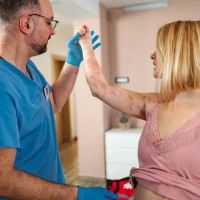
Clinical examination by a mammologist once or twice a year. The doctor will assess the condition of the breasts, palpate them, and if necessary, prescribe additional studies.
-
Ultrasound. Women from 18 to 45 years old should undergo it once a year even in the absence of complaints. Such a study makes it possible to detect changes in breast tissues that are not noticeable on palpation.
-
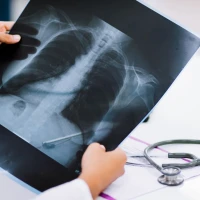
Mammography. Appointed once a year for those over 40 years old. This is the “gold standard” of breast cancer screening, which shows even the smallest changes in the organ.
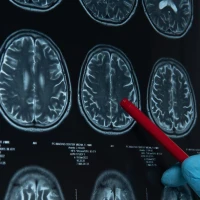
In case of detection of pathological changes, the mammologist can combine the indicated examinations, and if necessary, perform MRI, elastography (a type of ultrasound), or ductography (X-ray of the ducts).
If necessary, we perform a biopsy of suspicious formations under ultrasound control. This significantly increases the diagnostic value of the result and makes it possible to identify pre-oncological diseases and conditions, explains Sofiia Zakharchuk.
Additional recommendations
The expert highlights several other important points that help reduce the risk of developing cancer.
First of all – adhere to a healthy lifestyle: give up smoking and alcohol, be physically active, and keep your weight under control.
In case of a family history of breast cancer or other negative factors, consult a doctor regarding an individual plan of preventive examinations and the need for additional studies.
Yes, it makes sense to calculate the probable oncological risk if there have already been cases of a similar disease in the family. An important tool that assesses the risk of developing breast and ovarian cancer is genetic testing to detect mutations in the BRCA1 and BRCA2 genes. Such studies are carried out in Ukraine.
The main aspects of genetic testing:
-
the presence of mutations can increase the likelihood of hereditary breast cancer up to 50–80%;
-
it is carried out in women who were diagnosed with cancer at a young age or had cases of such a disease in the family. In addition, men are also tested;
-
it involves DNA analysis obtained from peripheral blood. The procedure is non-invasive.
If mutations in the BRCA1 and BRCA2 genes are detected, the doctor may recommend additional preventive measures or more frequent medical examinations. However, a negative result does not exclude the probability of developing cancer, although the risk will be lower.
Summing up, the expert names the criteria of a good mammologist: the specialist should conduct the examination in a comfortable format for the patient, make the correct diagnosis without causing pain and discomfort during the study, and ultimately prescribe effective treatment, avoiding overdiagnosis and unnecessary manipulations.
And reminds that it is always easier to prevent a disease than to treat it.