Contents:
- What is dysbacteriosis
- Why intestinal dysbacteriosis occurs
- Main symptoms of dysbacteriosis
- What to do in case of dysbacteriosis
- How to treat dysbacteriosis
- Diet for dysbacteriosis
- How to get rid of dysbacteriosis and prevent recurrences
Disorders of bowel function may manifest as bloating, unstable stools, a feeling of heaviness after eating, and general weakness. A common cause of such symptoms is dysbacteriosis — an imbalance of the microflora that affects not only digestion but also the overall condition of the body.
In this article, we will consider what dysbacteriosis is, why it occurs, which symptoms require attention, and which steps help restore normal bowel function.
What is dysbacteriosis
Dysbacteriosis is an imbalance of the intestinal microflora in which its quantitative and qualitative composition changes. Normally, the microflora is represented by various types of beneficial bacteria that participate in the breakdown of food, the synthesis of vitamins B and K, the maintenance of local immunity, and the protection of the mucous membrane.
When this balance is disrupted, the proportion of beneficial bacteria decreases and opportunistic flora becomes more active. As a result, digestive processes worsen, the absorption of nutrients becomes less efficient, bloating and discomfort appear, and stools become unstable. It is important to understand that dysbacteriosis is not a separate disease but indicates changes in the functioning of the bowel or other parts of the digestive system.
Why intestinal dysbacteriosis occurs
An imbalance of the microflora does not occur without a reason. In most cases, dysbacteriosis is the result of external or internal factors that change conditions in the bowel and disrupt the natural balance of bacteria.
The most common causes are:
- long-term or uncontrolled use of antibiotics;
- chronic diseases of the gastrointestinal tract;
- acute intestinal infections;
- an unbalanced diet with an excess of sugar and refined products;
- frequent stress and sleep disturbances;
- hormonal changes or weakened immunity.
Antibacterial medicines destroy not only pathogenic but also beneficial flora, which creates conditions for imbalance. Poor diet, in turn, may contribute to excessive growth of opportunistic bacteria and impaired bowel motility.
Sometimes dysbacteriosis accompanies gastritis, pancreatitis, irritable bowel syndrome, or other diseases of the digestive system. That is why it is important not only to eliminate symptoms but also to determine the root cause of the changes.
Main symptoms of dysbacteriosis
An imbalance of the intestinal microflora most often manifests with symptoms that patients initially associate with dietary indiscretions or stress. However, if such signs recur or persist for a long time, this may indicate deeper changes in the functioning of the digestive system.
Typical manifestations include:
- bloating and a feeling of fullness after eating;
- increased gas formation;
- unstable stools (constipation or diarrhea);
- abdominal discomfort without a clear location;
- decreased appetite;
- rapid fatigue.
Sometimes additional symptoms appear as well — dry skin, brittle nails, frequent colds. This is due to the fact that the intestinal microflora participates in the absorption of nutrients and supports immunity.
Since similar manifestations can accompany other diseases, it is important not to delay seeking medical care. A timely gastroenterologist consultation will help determine the cause of the disorders and choose the optimal diagnostic and treatment strategy.
What to do in case of dysbacteriosis
If symptoms recur, the first step is not to select medicines on your own and not to “suppress” manifestations with sorbents or antidiarrheal drugs without a reason. It is important to understand that dysbacteriosis is most often the result of other changes in the digestive system, so the approach should be consistent.
First of all, you should:
- assess what makes symptoms worse (certain foods, antibiotics, stress) and temporarily remove obvious triggers;
- establish a meal routine: 3–5 meals a day in small portions, without long breaks and without overeating in the evening;
- increase fluid intake, especially if stools are frequent or loose;
- limit alcohol, sweets, fast food, and excessive fatty foods to reduce bowel irritation;
- not start antibiotics “just in case” and not change the treatment regimen if they were prescribed for another reason.
It is also useful to keep a short “food diary” for 5–7 days: what you ate, what symptoms you had, and when exactly. This helps the doctor identify patterns faster and adjust the diet and therapy.
How to treat dysbacteriosis
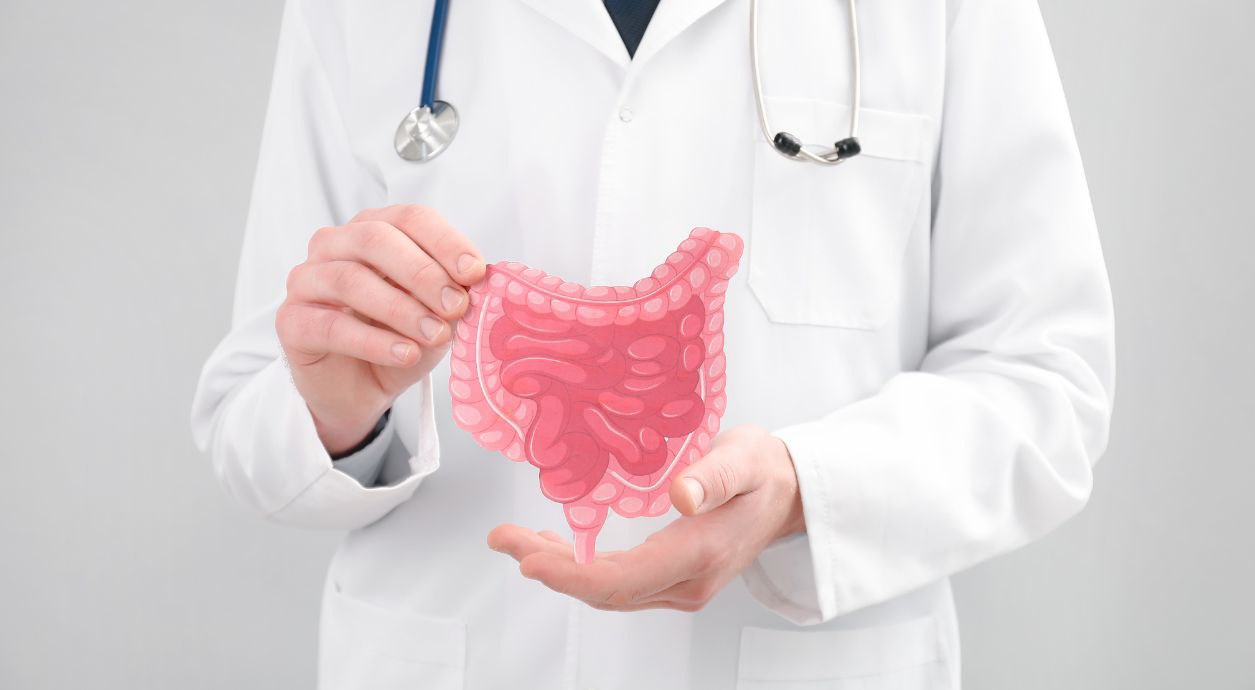
Treatment of dysbacteriosis always begins with уточнення the diagnosis. Since similar symptoms may accompany other diseases of the digestive system, it is important to confirm that an imbalance of microflora is the cause of complaints. The doctor evaluates the clinical picture, medical history, and, if necessary, prescribes additional examinations.
One of the methods is a stool test. Patients should understand how to collect stool for dysbacteriosis so that the result is informative: the material is collected in a sterile container after independent defecation and promptly delivered to the laboratory. If there are symptoms from the upper parts of the digestive system, gastroscopy may be recommended to rule out concomitant pathology.
After evaluating the examination results, an individual treatment plan is formed. Many patients are interested in how to cure dysbacteriosis quickly, however, it is important to understand that restoring the microflora requires a comprehensive approach and a certain amount of time.
- Restoration of microflora balance. Probiotics, prebiotics, or their combinations are used. The medicine is selected taking into account clinical manifestations, duration of symptoms, and concomitant conditions. The course should be sufficient to stabilize the microflora.
- Normalization of bowel function. If necessary, the doctor may recommend agents to regulate peristalsis to restore regular and physiological stools without excessive stimulation.
- Reduction of flatulence and discomfort. In case of bloating and spasms, medicines are used that reduce gas formation or relieve bowel spasms, which improves well-being in the first days of therapy.
- Correction of concomitant digestive disorders. If dysbacteriosis is accompanied by enzyme deficiency or functional disorders, treatment is supplemented with appropriate agents to support digestion.
- Monitoring dynamics. The effectiveness of therapy is assessed over a certain period. If necessary, the treatment regimen is adjusted to achieve a stable result.
A comprehensive approach allows not only to reduce manifestations of dysbacteriosis but also to create conditions for long-term restoration of bowel function.
Diet for dysbacteriosis
Nutrition plays an important role in restoring the balance of the intestinal microflora. The foods a person consumes daily create conditions for the growth of beneficial bacteria or, conversely, contribute to an imbalance of their ratio. Therefore, during the treatment of dysbacteriosis, doctors always recommend dietary correction.
The diet should be regular and balanced. It is advisable to eat 4–5 times a day in small portions, avoid overeating and long breaks between meals. It is also important to maintain adequate fluid intake, as water supports normal digestive function and bowel motility.
The main principle of nutrition for dysbacteriosis is supporting the growth of beneficial microflora and reducing factors that may irritate the bowel.
What you can eat with dysbacteriosis
The diet should include foods that help restore the microflora and improve digestion.
Useful foods include:
- fermented dairy products with live bacteria (kefir, natural yogurt, ryazhenka);
- fiber-rich vegetables (zucchini, carrots, pumpkin, broccoli);
- whole-grain cereals (oatmeal, buckwheat, rice);
- lean fish and meat;
- baked or stewed vegetables;
- ripe fruits that are easy to digest (apples, bananas);
- sufficient amount of clean water.
Fiber is a natural medium for beneficial microflora. It helps maintain regular stools and promotes gradual restoration of the balance of bacteria in the bowel.
Foods that worsen the course of dysbacteriosis
Some foods may worsen symptoms, contribute to excessive gas formation, or irritate the bowel mucosa. During treatment, they should be limited or temporarily excluded from the diet.
Such foods include:
- fast food and fatty foods;
- excessive amounts of sweets and baked goods;
- carbonated drinks;
- alcohol;
- spicy sauces and marinades;
- smoked and highly processed foods.
An excess of simple carbohydrates and fats creates unfavorable conditions for restoring the microflora and may intensify bloating and discomfort.
A balanced diet helps gradually normalize bowel function and enhances the effectiveness of the main treatment. In the next section, we will consider how to prevent recurrent dysbacteriosis.
How to get rid of dysbacteriosis and prevent recurrences
To prevent dysbacteriosis from returning, it is important not to limit yourself to short-term relief of symptoms. A lasting result is usually achieved when bowel function is normalized and factors that led to microflora imbalance are eliminated.
Main preventive steps:
- follow the doctor's recommendations and complete the full course of treatment without stopping at the first improvement;
- take any antibacterial medicines only as prescribed and do not use them for self-treatment;
- maintain a stable daily routine: adequate sleep and regular meals reduce the risk of functional disorders;
- control stress levels, as it can affect bowel motility and digestive sensitivity;
- maintain moderate physical activity, which supports natural peristalsis;
- pay attention to recurring symptoms and do not delay seeing a doctor if discomfort returns.
If dysbacteriosis develops against the background of chronic diseases of the digestive system, regular monitoring of the underlying condition is key. In such cases, preventing recurrences involves not only correcting the microflora but also stabilizing the digestive tract as a whole.
A consistent approach to treatment and prevention helps gradually restore normal bowel function and reduce the likelihood of recurring exacerbations.
The information in this article is provided for informational purposes and is not a guide to self-diagnosis and treatment. If symptoms of disease appear, you should consult a doctor.
Sources:
Gut Microbiota Dysbiosis: Pathogenesis, Diseases, Prevention and Management
Dysbiosis of the Gut Microbiota in Disease
Gut Microbiota Dysbiosis: Triggers, Consequences and Potential Therapeutic Approaches