Back pain and limited mobility can over time become a serious problem that significantly reduces quality of life. Often these symptoms are associated with age-related degenerative changes in the spine, in particular with spondylosis and spondyloarthrosis. These diseases progress slowly, but without proper treatment can lead to chronic pain, stiffness, and even neurological complications.
In this article, we will consider what spondylosis and spondyloarthrosis are, what symptoms and types of diseases may occur, and also talk about modern methods of diagnosis and treatment.
What are spondylosis and spondyloarthrosis
Spondylosis is a degenerative lesion of the spine, manifested by the formation of bony outgrowths (osteophytes) on the vertebral body, a decrease in the elasticity of the intervertebral discs, and a reduction in the height of the intervertebral space. Pathological processes develop gradually and are often associated with age-related changes, prolonged static load, or the consequences of injuries.
Spondyloarthrosis is a chronic lesion of the intervertebral facet joints. The disease is accompanied by thinning of the cartilage tissue, changes in the joint capsules, and the development of osteophytes. It is spondyloarthrosis of the spine that often becomes the cause of limited movements, pain syndrome, and chronic discomfort in the back.
These conditions can develop in parallel. In this case, spondylosis and spondyloarthrosis are considered concomitant pathologies that aggravate each other’s course.
Symptoms of spondylosis and spondyloarthrosis
The clinical picture depends on the localization of the lesion, the stage of the disease, and the individual characteristics of the patient. In spondylosis, symptoms usually include:
-
chronic or periodic pain in the neck or back;
-
a feeling of stiffness after sleep or prolonged static posture;
-
crunching or clicking during spine movement;
-
reduced range of motion;
-
muscle weakness in the affected area.
As the disease progresses, neurological symptoms appear: numbness, tingling, impaired sensitivity, or weakness in the limbs.
Spondyloarthrosis of the intervertebral joints also manifests itself as pain, especially during bends and turns of the trunk. Pain may radiate to the shoulders, buttocks, thighs — depending on the localization of the lesion.
Especially characteristic for lumbar spondylosis are aching lower back pain that worsens with physical exertion, bending, prolonged sitting or standing. Usually, the pain decreases after rest.
Localization of diseases: cervical, thoracic, and lumbar spine
Depending on which part of the spine is affected, the symptoms may differ:
-
Cervical spondylosis and spondyloarthrosis manifest as occipital pain, tension in the neck muscles, headaches, dizziness, sometimes — numbness of the hands. In more severe cases — visual or coordination disorders.
-
Thoracic spondylosis and spondyloarthrosis are less common but are accompanied by pain between the shoulder blades, especially after prolonged sitting. Often patients confuse these symptoms with heart or lung problems.
-
Lumbar spondylosis and lumbar spondyloarthrosis are the most common forms. They are characterized by lower back pain, morning stiffness, radiation of pain to the buttocks or legs. Patients often complain of reduced endurance while walking or working standing up.
Forms and stages of spondylosis
Spondylosis is a chronic degenerative disease of the spine, in which there is a gradual destruction of intervertebral discs and the formation of bony outgrowths (osteophytes) along the vertebral bodies. These changes can cause limited mobility, pain, and even compression of nerve structures. For effective treatment, it is important to understand what forms of spondylosis exist and determine the stage of disease development.
Forms of spondylosis
-
Deforming spondylosis – the most common form, characterized by the formation of osteophytes along the edges of the vertebral bodies, which leads to a change in the anatomy of the spine. As a result, mobility may be limited and compression of nerve structures may occur.
-
Functional spondylosis develops as a response to prolonged static or physical load (for example, in athletes or people with sedentary work). It is accompanied by minimal anatomical changes and in some cases is reversible when the load is corrected.
Depending on the extent of the pathological process, the following are distinguished:
-
Segmental (localized) spondylosis – the lesion is limited to one or several motor segments of the spine. Most often affects the cervical or lumbar spine. Accompanied by local pain and restriction of movement in a specific section.
-
Widespread (multisegmental) spondylosis – affects several levels of the spine at the same time. Characterized by systemic pain, persistent restriction of mobility, may be accompanied by deformation of the spinal axis.
Stages of spondylosis
-
Deforming spondylosis grade 1 – accompanied by the appearance of small osteophytes, while the height of intervertebral discs is preserved. Symptoms are often absent or minor.
-
Deforming spondylosis grade 2 – characterized by enlargement of osteophytes, partial reduction in the height of intervertebral discs, moderate restriction of movements. Pain appears periodically, especially after exertion.
-
Deforming spondylosis grade 3 – manifested by massive bony outgrowths that limit mobility, sometimes cause fusion of vertebral bodies. Persistent pain syndrome, compression of nerve roots, sensitivity and motor disorders are possible.
Forms and stages of spondyloarthrosis
Spondyloarthrosis is a chronic progressive disease of the intervertebral (facet) joints, which gradually leads to wear of cartilage tissue, disruption of joint structures, and restriction of mobility of the affected spinal segments.
Unlike spondylosis, spondyloarthrosis does not have separate clinical forms such as deforming or functional. It is always a degenerative lesion of the facet joints of the spine, which begins with slight thinning of the cartilage.
Deforming spondyloarthrosis is a term used only in the late stages of the disease, when significant cartilage destruction, narrowing of the joint space, formation of osteophytes, and deformation of joint surfaces occur.
By prevalence, the following are distinguished:
-
Segmental spondyloarthrosis — the lesion is limited to one joint or segment of the spine.
-
Widespread spondyloarthrosis — affects several joints in different parts of the spine, has a more pronounced clinical picture.
Stages of spondyloarthrosis
-
Spondyloarthrosis grade 1 – the initial stage of the disease. There is slight thinning of the joint cartilage, but it still retains its shape and function. A person may feel periodic discomfort or moderate back pain after exertion. At this stage, lifestyle changes, therapeutic exercise, and conservative therapy work well.
-
Spondyloarthrosis grade 2 – the joint space narrows, cartilage gradually breaks down, bony growths (osteophytes) appear. Pain becomes more frequent and may appear even at rest, especially after prolonged sitting or sleeping. Spinal mobility decreases, morning stiffness appears. At this stage, complex treatment is needed — drug therapy, physiotherapy, therapeutic exercises.
-
Spondyloarthrosis grade 3 (deforming spondyloarthrosis) – the most severe stage of the disease. Cartilage tissue almost completely disappears, the joint is severely deformed, mobility is sharply limited. Pain becomes constant and can significantly impair quality of life. In some cases, ankylosis may develop — fusion of the joint and complete loss of its mobility.
Understanding the forms and stages of spondylosis and spondyloarthrosis allows the doctor to create an individual treatment plan and prevent disease progression. At the «Oxford Medical» clinic, we use modern methods of diagnosis and therapy to provide patients with effective care at any stage of the disease.
Diagnostic methods
Degenerative diseases of the spine, including spondylosis and spondyloarthrosis, often develop gradually, without pronounced symptoms at early stages. That is why it is important not to delay the examination if back pain, stiffness, or discomfort during movements appear. Timely and accurate diagnosis allows detecting pathological changes even before complications appear and selecting effective treatment.
At the «Oxford Medical» clinic, modern, safe, and informative diagnostic methods are used:
-
Consultation with a neurologist or orthopedist – the specialist collects anamnesis, clarifies the nature of complaints, conducts an examination, evaluates posture, spinal mobility, and the presence of neurological symptoms. Based on clinical data, the doctor prescribes the necessary examinations.
-
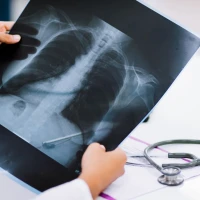
Spinal X-ray – one of the main diagnostic methods for spondylosis. It allows visualization of osteophytes, changes in vertebral shapes, narrowing of intervertebral spaces, signs of instability. Effective for assessing the stage of the disease.
-
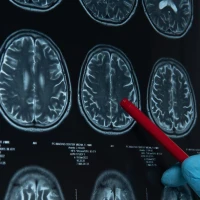
CT (computed tomography) – makes it possible to study the bone structures of the spine in detail. Used in complex or doubtful cases, especially when it is necessary to assess the shape and size of osteophytes or the degree of joint deformation.
-
Laboratory tests – in case of suspected inflammatory or systemic spinal diseases (for example, with severe night pain, fever, changes in general well-being), general blood tests and additional tests for differential diagnosis may be prescribed.
Based on the diagnostic results, an individual treatment plan is drawn up, taking into account the localization, stage of the disease, and the patient’s general condition.
Treatment of spondylosis and spondyloarthrosis
Treatment of degenerative spinal diseases should be complex and long-term, since it is impossible to completely eliminate anatomical changes in spondylosis and spondyloarthrosis. The main goal of therapy is to reduce pain and inflammation, preserve or restore mobility, slow down disease progression, and improve quality of life.
Depending on the indications, the following are used:
1. Drug treatment
-
Anti-inflammatory drugs (NSAIDs) — reduce pain, swelling, and inflammation in the affected areas.
-
Muscle relaxants — reduce muscle tension, which often accompanies chronic back pain.
-
Chondroprotectors — help slow down cartilage destruction, especially effective at early stages.
-
Painkillers — used for intense pain syndrome.
-
Vascular drugs, B vitamins — improve nutrition of nervous tissue, reduce the risk of neurological complications.
2. Physiotherapy
Physiotherapeutic methods help reduce pain, improve blood circulation and metabolic processes in the affected tissues:
-
electrotherapy;
-
ultrasound therapy;
-
magnetotherapy;
-
shockwave therapy.
3. Therapeutic exercise (physical therapy)
Specially selected exercises help:
-
strengthen the back muscle corset;
-
improve spinal mobility;
-
reduce the load on affected segments;
-
prevent disease progression.
Classes are conducted under the supervision of a rehabilitation specialist or physical therapy doctor and are adapted to the patient’s physical abilities.
4. Massage and manual therapy
Improve blood circulation, relieve muscle spasms, help reduce pain and restore spinal function. Used only in the absence of contraindications and after consultation with a doctor.
5. Injection therapy
In case of severe pain syndrome, it is possible to perform:
-
paravertebral blockades — injection of painkillers and anti-inflammatory drugs directly into the affected area;
-
intra-articular injections — in case of pronounced spondyloarthrosis.
6. Surgical treatment
Surgery is considered only when conservative therapy does not work, and pain or neurological disorders significantly limit daily activity. Possible interventions include:
-
removal of osteophytes;
-
stabilization of vertebral segments;
-
decompression of nerve structures.
The decision on surgical intervention is made individually after a full examination.
Spondylosis and spondyloarthrosis are chronic degenerative spinal diseases that require timely diagnosis and complex treatment. With the right approach, it is possible not only to reduce symptoms but also to slow the progression of the process, maintaining a high quality of life.
If you experience back pain, stiffness, sensory disturbances, or other alarming symptoms — contact the specialists at the «Oxford Medical» medical center. Our doctors will help establish a diagnosis, create an individual treatment plan, and return your activity and comfort.
Frequently Asked Questions
What are spondylosis and spondyloarthrosis?
Spondylosis is a degenerative disease of the spine, in which bony growths (osteophytes) form. Spondyloarthrosis is a lesion of the intervertebral joints that leads to cartilage thinning, pain, and reduced mobility.
What are the symptoms of these diseases?
The most common symptoms are back pain, stiffness of movements, discomfort during bends or turns, crunching in the spine. In severe cases, numbness of the limbs, weakness, or impaired sensitivity are possible.
What is deforming spondyloarthrosis?
This is a severe stage of spondyloarthrosis, in which cartilage is almost completely destroyed, the joint is deformed, osteophytes form, and mobility is significantly reduced. It may be accompanied by constant pain and even joint fusion.
How are spondyloarthrosis and spondylosis treated?
Drug therapy, physiotherapy, therapeutic exercises, massage are used. In severe cases — injections or surgical intervention. Treatment is selected individually depending on the stage of the disease and the general condition of the patient.