Prostate carcinoma (or prostate cancer) is a malignant tumor that arises from the epithelium of the organ. This oncological disease is common among middle-aged and elderly men. Prostate cancer ranks third in incidence, after lung and stomach cancer. Without surgical treatment and proper therapy, recovery from prostate cancer is impossible.
Prostate cancer removal is a serious surgical procedure that can be performed using several methods. Learn more about the procedure, indications, and outcomes below.
Surgical Methods of Prostate Cancer Removal
Surgery remains the primary and one of the most effective methods of treating prostate cancer. Surgery is prescribed if the tumor has not yet spread beyond the prostate gland. In such cases, patients have a favorable long-term prognosis.
Laparoscopic Technique
The laparoscopic technique is preferred. In this case, access to the prostate is made through several punctures in the anterior abdominal wall. The gland is removed using a laser or electrosurgical equipment. Such technologies ensure simultaneous cauterization of blood vessels, which eliminates the risk of bleeding. The absence of large wounds helps reduce the risk of complications.
Among the advantages of minimally invasive surgery:
-
Reduced risk of infection and bleeding.
-
No visible scars after surgery.
-
Minimized risk of adhesions.
-
Faster and less painful recovery for the patient.
Open Prostatectomy
An open prostatectomy is performed through an incision in the suprapubic area. The method is more traumatic but allows visual monitoring of the surrounding tissues and, if necessary, their immediate removal.
Prostate tumor removal is performed under general anesthesia.
Orchiectomy
In some cases, prostate cancer treatment may include removal of the testicles, known as orchiectomy. It is used as an alternative treatment method when surgical removal of the prostate (radical prostatectomy) cannot be performed or is not appropriate.
Indications for orchiectomy in prostate cancer treatment may include:
-
Locally advanced cancer. For patients in the early stages of prostate cancer, when the tumor is confined to the prostate and has not spread beyond it.
-
Metastatic cancer. Orchiectomy is recommended for patients with metastatic prostate cancer when the tumor has spread to distant organs or tissues.
-
The need for rapid testosterone reduction. In some cases, orchiectomy is performed as a quick way to reduce testosterone levels to control cancer cell growth.
In many cases, orchiectomy helps reduce the risk of prostate cancer progression and improves the overall prognosis. However, it may be accompanied by side effects such as loss of sexual desire, hypertension, and others. Before undergoing orchiectomy, it is important to consult a qualified doctor and discuss all possible pros and cons of this procedure.
Indications for Surgery
The course of prostate cancer depends on the histological features of the tumor. Some neoplasms progress slowly and do not spread to surrounding tissues. In this case, removal of the prostate gland makes it possible to stop the pathological process and achieve patient recovery.
In cases of aggressive tumor development and in the late stages of the disease, malignant cells may spread throughout the body and provoke the appearance of secondary tumors (metastases).
Removal of the primary focus helps slow cancer progression. However, comprehensive treatment requires the use of other methods as well.
Indications for prostate cancer removal:
-
Prostate cancer with a high risk of progression.
-
Prostate cancer with localized or locally productive character.
-
The choice of the patient and surgeon.
-
Absence of metastases in other organs.
Preparation for Surgery
Preoperative preparation is carried out to objectively assess the patient’s condition, detect concomitant pathologies, and reduce surgical risks. Comprehensive diagnostics include the following steps:
-
Laboratory tests (blood and urine tests, biochemical tests, coagulation tests, blood type and Rh factor determination, HIV, syphilis, hepatitis tests, etc.).
-
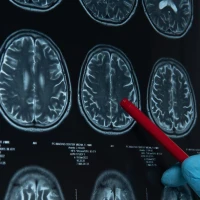
Instrumental examinations (fluorography, MRI or CT, ultrasound of the abdominal organs, etc.).
-
Consultations with doctors (therapist, anesthesiologist, and other specialists depending on identified diseases).
-
Some medications, such as anticoagulants, may need to be discontinued before surgery to reduce the risk of bleeding during the procedure.
-
A diet with easily digestible foods, limiting fatty and heavy meals before surgery, is recommended.
-
For patients experiencing stress or anxiety, psychological counseling may be useful.
All diagnostic procedures can be performed at the Oxford Medical clinic at a convenient time. The oncourology department is equipped with advanced technology and has its own laboratory, which significantly reduces examination time.
Results and Prognosis After Prostate Cancer Removal
In most cases, prostate cancer removal leads to complete tumor elimination and recovery. Individual prognosis depends on the stage of cancer, tumor characteristics, and the patient’s overall condition.
Postoperative Complications
Impaired urination
Urination may be temporarily impaired after surgery. Patients are advised to perform Kegel exercises to strengthen the bladder sphincter muscles and regain control of urination.
Complete or partial absence of erection
Various methods are used to treat erectile dysfunction, including drug therapy, vacuum pumps, and injections.
Fluid accumulation in tissues
To prevent fluid accumulation, patients are advised to perform exercises to maintain blood circulation and avoid heavy lifting to prevent lymphedema.
Further development of infection
Patients should follow wound care instructions provided by the doctor and take antibiotics if prescribed.
Stool disorders
A balanced diet rich in fiber after prostate cancer removal will help avoid bowel problems.
The Role of Rehabilitation and Postoperative Care
Postoperative care includes regular medical check-ups, PSA (prostate-specific antigen) monitoring, recurrence tracking, and other measures to ensure the patient’s overall health and quality of life after surgery.
Postoperative observation lasts from 1 to 5 days. During this period, the patient receives drug therapy to prevent complications. After discharge, medical treatment continues. After prostatectomy, patients are advised to:
-
Refrain from sexual activity.
-
Avoid heavy physical exertion.
-
Walk more and perform exercises prescribed by the rehabilitation specialist (to restore pelvic floor muscle tone).
-
Follow a diet.
Most patients experience potency disorders after prostate removal. Strict adherence to medical recommendations combined with special treatment allows for the restoration of sexual function over time.
Rehabilitation after prostate cancer removal also includes physical therapy, psychological support, lifestyle counseling, family support, and reintegration into the work environment.
Frequently Asked Questions
What are the main surgical methods for prostate cancer removal, and how do they differ in effectiveness and possible complications?
Radical prostatectomy, which includes open, laparoscopic, or robot-assisted surgery, is considered the “gold standard” of prostate cancer surgical treatment, as it allows the removal of affected tissue with a high level of effectiveness. However, each method has its advantages and limitations, and the choice of method is made by the doctor based on the individual needs and circumstances of each patient.
What factors are considered when determining indications for prostate cancer removal, and what alternative treatments may be considered if surgery is not indicated?
Orchiectomy (removal of one or both testicles) is prescribed as an alternative method of prostate cancer treatment in cases where surgical removal of the prostate (radical prostatectomy) cannot be performed or is not appropriate.
What postoperative complications may occur after prostate cancer removal, and how can patients reduce their risk?
Complications of prostate cancer may include bleeding, infections, damage to nearby organs, urination disorders, impotence, and others. Management of complications includes drug therapy, rehabilitation measures, and in some cases, corrective surgical interventions.