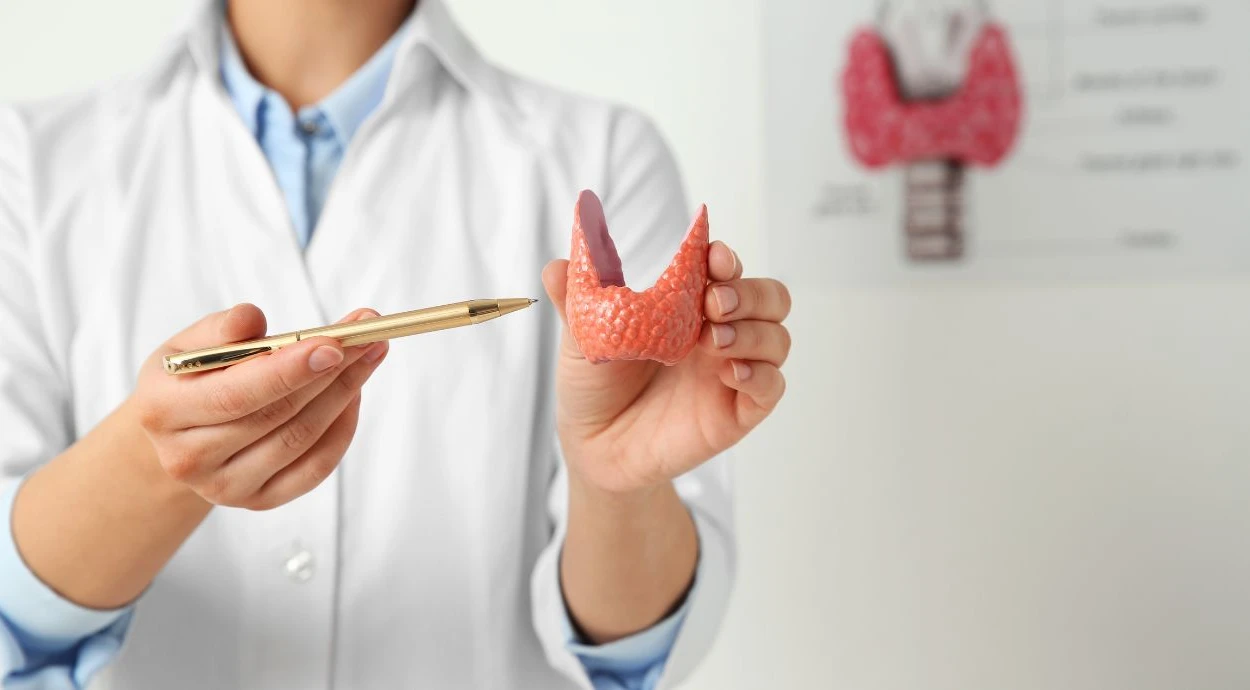
The thyroid gland is responsible for producing hormones that regulate metabolism, the functioning of the cardiovascular system, digestion, emotional state, and the body’s energy balance.
Removal of the organ is performed in cases of malignant tumors, nodular goiter, hyperthyroidism, thyroiditis, or other pathologies that do not respond to medical treatment.
Although life without the thyroid is possible, it requires certain changes in the daily routine, continuous monitoring of hormone levels, and adherence to a specific diet.
In this article, we will take a detailed look at how rehabilitation proceeds after removal of the thyroid gland, what changes occur in the body, how to eat properly after surgery, and what to pay attention to in order to maintain well-being.
Rehabilitation After Removal of the Thyroid Gland in the Early Postoperative Period (First 4–6 Weeks)
Immediately after the surgical intervention, the patient remains in the hospital to monitor their health condition. The duration of hospitalization usually ranges from 1 to 3 days, depending on the complexity of the surgery.
During this period, the following may be of concern:
-
Moderate pain in the neck area and swelling.
-
Discomfort when swallowing.
-
Weakness or increased fatigue.
What needs to be done:
-
Follow the doctor’s recommendations regarding the intake of painkillers and anti-inflammatory drugs.
-
Avoid sudden movements of the head and neck.
-
Care for the postoperative suture (treat with antiseptic agents if necessary).
-
Consume soft, warm food so as not to irritate the throat.
What must not be done:
-
Lift heavy objects or engage in sports.
-
Expose the neck area to direct sunlight or heat procedures (sauna, hot baths).
-
Skip taking prescribed medications.
Physical Activity
In the first week after surgery, physical activity should be limited, avoiding sudden movements of the neck and head.
After 2–4 weeks, you can gradually return to your usual rhythm of life, including light physical activity.
Intense physical exercise can be started no earlier than 1.5–2 months later.
Hormone Replacement Therapy
After surgery, the body is no longer able to produce thyroid hormones, so replacement therapy is necessary. Most often, levothyroxine or its analogues are used for this.
The medication should be taken daily, at the same time, on an empty stomach, 30–60 minutes before food.
After starting treatment, the doctor regularly checks hormone levels in the blood to adjust the dosage.
If the parathyroid glands were affected during the surgery, a decrease in calcium levels in the body is possible, which may manifest as:
-
Tingling in the fingers of the hands or feet.
-
Muscle cramps.
-
Weakness and dizziness.
In such cases, the doctor may prescribe additional calcium and vitamin D preparations.
Rehabilitation in the Late Postoperative Period (From 1 Month to Several Years)
For correct dosing of hormonal medications in the treatment of thyroid diseases, it is important to regularly take tests for thyroid-stimulating hormone (TSH) and other indicators, such as free T4. The doctor determines the dose of hormonal medications depending on the test results.
Well-Being and Adaptation of the Body
After surgery, the body adapts to new conditions. During the late period, the following symptoms may appear:
-
Fatigue and weakness—possible with insufficient hormone levels or improperly selected medication dosages.
-
Changes in emotional state—depressive moods or mood swings may occur if hormone levels are unstable.
-
Changes in metabolism—the metabolism may slow down, which can lead to weight gain. Regular physical activity and dietary control will help prevent this.
Physical Activity in the Late Period
Gradually increase physical load to normalize weight and maintain energy.
Ideal types of exercise include swimming, yoga, walking, and light strength training.
It is important to avoid overexertion and stress, as this can negatively affect hormonal balance.
What Changes May Occur After Surgery?
Removal of the thyroid gland is a serious intervention after which the body is forced to adapt to a new state. The absence of endogenous thyroid hormones is compensated by taking hormonal medications, but some changes may appear due to improper dosing or individual characteristics of the body.
Let us consider the main changes that may occur after surgery and ways to control them.
1. Weight Gain or Loss
One of the most common changes is weight gain after removal of the thyroid. This occurs due to a slowdown in metabolism, which may arise with insufficient levels of thyroid hormones.
Causes:
-
Improperly selected medication dosage.
-
Reduced level of physical activity in the postoperative period.
-
Dietary disturbances (increased intake of simple carbohydrates and fats).
How to control it:
-
Regularly take tests for TSH and T4 levels to adjust hormone therapy.
-
Adhere to the principles of a diet for the thyroid—avoid foods that slow down metabolism (fast food, excessive sugar, trans fats).
-
Return to physical activity after completing the rehabilitation period (walking, swimming, yoga, strength exercises).
Some patients, on the contrary, may lose weight sharply if the dose of the hormonal medication is excessive.
2. Fatigue and Weakness
A decrease in thyroid hormone levels can cause a constant feeling of fatigue, lethargy, drowsiness, or general weakness.
Possible causes:
-
Hormonal imbalance (insufficient or excessive medication dosage).
-
Deficiency of iron, calcium, or vitamin D.
-
Insufficient adaptation of the body to replacement therapy.
How to combat it:
-
Check TSH levels and adjust the dosage according to the doctor’s recommendations.
-
Pay attention to nutrition after removal of the thyroid gland: add more iron (red meat, legumes, buckwheat), calcium (dairy products, fish), vitamin D (eggs, seafood).
-
Ensure quality sleep and a sufficient level of physical activity to maintain energy balance.
3. Mood Changes, Depression, and Anxiety
Thyroid hormones affect the nervous system, so mood swings, irritability, depression, or anxiety are possible after surgery.
Causes:
-
Insufficient levels of thyroid hormones.
-
Adaptation to the body’s new state.
-
Stress due to changes in lifestyle.
What to do:
-
Regularly monitor hormone levels in the blood.
-
Lead an active lifestyle—physical activity promotes the production of endorphins and improves mood.
-
Avoid stressful situations, pay attention to rest, and use relaxation techniques (meditation, breathing exercises).
-
Seek help from a psychologist or psychotherapist if necessary.
4. Memory and Concentration Problems
With insufficient levels of thyroid hormones, deterioration of concentration, slowed thinking, and forgetfulness are possible.
How this manifests:
-
It is harder to focus on tasks.
-
Slow response to information.
-
A feeling of “brain fog.”
How to improve cognitive functions:
-
Regularly check thyroid hormone levels and adjust therapy.
-
Follow a diet for the thyroid: add more foods containing omega-3s (fish, nuts), antioxidants (berries, green tea), proteins.
-
Read more, master new skills, and engage in mental training.
5. Changes in the Condition of Hair, Skin, and Nails
Insufficient hormone levels can cause dry skin, hair loss, and brittle nails.
What causes these problems:
-
Deficiency of thyroid hormones.
-
Lack of trace elements (iron, biotin, zinc).
-
Metabolic disorders.
How to improve the condition of skin and hair:
-
Consume an adequate amount of protein and healthy fats (fish, nuts, olive oil).
-
Ensure that the body has enough vitamins and minerals (especially iron, zinc, B-group vitamins).
-
Use moisturizing skin care products and strengthening hair masks.
-
Take supplements if necessary after consulting a doctor.
6. Cardiovascular Problems
Thyroid hormones affect heart rate, blood pressure, and cholesterol levels. If hormone levels are unstable, the following may occur:
-
Cardiac rhythm disturbances (tachycardia, arrhythmia).
-
Fluctuations in blood pressure.
-
Elevated cholesterol levels.
How to prevent this:
-
Monitor hormone and cholesterol levels.
-
Follow the principles of healthy nutrition after removal of the thyroid gland—limit fatty foods and include more fiber.
-
Exercise regularly to maintain cardiovascular health.
Dietary Recommendations After Removal of the Thyroid Gland
After thyroidectomy, metabolism may slow down, which increases the risk of weight gain, lack of energy, and changes in the functioning of the cardiovascular and nervous systems. Properly selected nutrition after removal of the thyroid gland helps maintain normal hormone levels, stabilize weight, and prevent possible complications.
1. Basic Principles of Nutrition
-
After surgery, you should follow a balanced and varied diet.
-
Regular meals. You should eat 4–5 times a day in small portions to maintain a stable energy level and avoid overloading the gastrointestinal tract.
-
Caloric control. Due to possible metabolic slowdown, excess calories should be avoided, especially in the form of fast carbohydrates and fats.
-
Adequate protein intake. Proteins are necessary to maintain muscle mass, normalize hormonal balance, and prevent weight gain.
-
Limitation of fast carbohydrates. Large amounts of sugar, white bread, and confectionery promote fat accumulation and fluctuations in energy levels.
-
Consumption of healthy fats. They support heart function and improve the absorption of fat-soluble vitamins.
2. Thyroid Removed: What to Eat After Surgery?
Proteins (30–35% of the diet)
-
Lean meat (chicken, turkey, rabbit).
-
Fish and seafood (especially rich in iodine—cod, salmon, herring, tuna).
-
Eggs.
-
Dairy and fermented milk products (kefir, yogurt, cottage cheese, ryazhenka).
-
Legumes (chickpeas, lentils, beans).
Healthy fats (20–25% of the diet)
-
Olive and flaxseed oil.
-
Avocado.
-
Nuts (almonds, walnuts, cashews).
-
Seeds (sunflower, flax, pumpkin).
-
Fatty sea fish.
Carbohydrates (40–45% of the diet)
-
Vegetables (broccoli, spinach, zucchini, carrots, bell pepper, pumpkin).
-
Fruits (apples, pears, plums, berries, citrus fruits).
-
Grains (buckwheat, quinoa, oats, brown rice).
-
Whole-grain bread, rye crispbreads.
Iodine-rich foods
Since the thyroid gland no longer produces hormones, it is important to obtain a sufficient amount of iodine from food.
-
Sea fish, shrimp, mussels, squid.
-
Laminaria (seaweed).
-
Iodized salt (but in moderate amounts).
Foods rich in calcium and vitamin D
If the parathyroid glands were damaged during surgery, calcium deficiency is possible.
To eliminate it, you should eat:
-
Dairy products (cheese, kefir, yogurt).
-
Leafy greens (spinach, arugula, cabbage).
-
Nuts and seeds.
-
Fish (sardines, salmon).
3. What Should Not Be Eaten in Case of Thyroid Issues When It Has Been Removed?
-
Fatty and fried dishes—they slow down metabolism and may cause weight gain.
-
Fast food, sausages, margarine, refined oils—sources of trans fats that negatively affect the cardiovascular system.
-
White bread, pastries, sweets—contain fast carbohydrates that promote weight gain.
-
Carbonated drinks, alcohol—may disrupt hormonal balance and slow the absorption of medications.
-
Coffee in large quantities—may affect cortisol levels and interfere with the absorption of thyroxine.
Foods that interfere with the absorption of hormonal medications:
-
Soy and soy products—may reduce the effectiveness of levothyroxine.
-
Raw cruciferous vegetables (cabbage, broccoli, radish, Brussels sprouts)—in large quantities may inhibit iodine absorption.
-
Buckwheat in excessive amounts—contains substances that may lower thyroid hormone levels.
Proper nutrition after thyroidectomy is a key factor in maintaining stable well-being, avoiding weight problems, and sustaining energy levels. Following the recommendations will help minimize the consequences after removal of the thyroid gland and lead a full life.
Conclusion
Changes after removal of the thyroid gland depend on the correctness of hormone replacement therapy, overall health, and lifestyle. It is important to regularly monitor thyroid hormone levels, maintain a balanced diet, and keep up physical activity.
If you notice persistent symptoms such as constant fatigue, sharp mood swings, rapid weight gain, or heart problems, you should consult a doctor. Adjusting hormone dosages or additional recommendations will help stabilize your condition and improve well-being.
For professional medical support after surgery, contact the doctors of “Oxford Medical.” We will help you adapt and maintain a high quality of life without the thyroid gland.
Frequently Asked Questions
Can you live a full life after removal of the thyroid gland?
Yes, provided that hormonal medications are taken regularly, TSH levels are monitored, and a healthy lifestyle is maintained. Hormone replacement therapy makes it possible to compensate for the absence of the gland, so a person can work, play sports, travel, and lead an active life.
How should nutrition be organized after removal of the thyroid?
The diet should be balanced and include proteins (fish, meat, eggs), healthy fats (nuts, olive oil), and complex carbohydrates (vegetables, grains). It is important to control weight, limit fast carbohydrates and fried foods, and consume enough iodine and calcium.
What complications may arise after surgery?
Temporary or permanent disturbances in calcium levels (if the parathyroid glands are damaged), hormonal imbalance, weight changes, fatigue, and emotional fluctuations are possible. With proper treatment and monitoring of hormone levels, complications are minimal.
Is it possible to become pregnant after removal of the thyroid gland?
Yes, a woman can become pregnant and carry a healthy child provided that hormone replacement therapy is properly selected. It is important to monitor TSH levels even before conception and to visit an endocrinologist regularly during pregnancy.
What should not be eaten in case of thyroid issues?
It is advisable to limit soy products (they reduce hormone absorption), fast food, fried foods, trans fats, and sweets. Raw cruciferous vegetables (cabbage, broccoli, radish) in large quantities may interfere with iodine absorption. Caffeine should be consumed in minimal amounts.