Winter is the best time to get rid of warts, moles, papillomas, and other growths that cause discomfort and aesthetic concerns.
Why now, what the indications are, and who can help determine the method of removal — all this was explained to Channel 24 by Marina Malapura, head of the Aesthetic Cosmetology Department at the “Oxford Medical” clinic, dermatologist.
What You Need to Know About Skin Growths
The main criterion for a specialist’s assessment is the safety of the skin formation — whether it is benign or malignant. The second option poses a health risk and requires mandatory medical intervention.
Other reasons for removal are physical or psychological discomfort. Moles, warts, or papillomas located in areas of skin folds or clothing seams may interfere and become constantly traumatized. Their bulky forms on the face or other visible areas may also cause insecurity or dissatisfaction with one’s appearance.
It is important to note that benign growths can become malignant under the influence of ultraviolet radiation (in simple terms — tanning). Therefore, monitoring their shape, color, and condition is very important. If any changes occur, it is essential to consult a dermatologist for examination.
Types of Benign Growths and Why They Appear
Nevi, papillomas, keratomas, xanthomas, angiomas, lipomas are benign in nature. Some appear from birth due to heredity, others with age — as a result of hormonal changes, metabolic disorders, skin type specifics, injuries, or climatic conditions (too much sun). For example, warts are caused by the human papillomavirus.
Marina Malapura: “Warts, depending on the type (common, flat, plantar, genital warts), may appear on the face, lips, mucous membranes of the mouth and nose, the backs of the hands and palms, on fingers, and even on the genitals.”
Papillomas, like warts, appear due to the human papillomavirus. These soft nodules grow both on the skin and on mucous membranes.
Nevi, commonly called moles, appear due to the accumulation of melanocytes — cells that produce melanin, the pigment responsible for skin color. Such pigmented lesions differ in color, shape, and size. Under ultraviolet exposure (sun tanning or tanning beds), they may turn malignant.
Angiomas, red-colored growths, form from blood vessels and can appear both on the skin and mucous membranes. With age, due to capillary fragility, their number may increase.
Lipomas consist of fatty tissue. They differ from other benign growths because they are located under the skin and in various areas of the body. Their causes are not fully known — it may be genetic predisposition, trauma, or systemic disorders.
Lipomas are generally safe for health, but if they increase in size and compress nerve endings or blood vessels, it makes sense to remove them. However, like xanthomas, they tend to reappear.
How to Choose the Removal Method
To decide on the best way to remove a growth, you should consult a dermatologist. There is no universal scheme or miraculous method suitable for everyone.
Therefore, reading online ads, asking friends for advice, or trying to remove warts or moles on your own is a bad idea. Each case has its own characteristics and possible contraindications. Depending on whether the growth is superficial or deeply rooted, the doctor selects the most appropriate method.
During a consultation, the dermatologist:
-
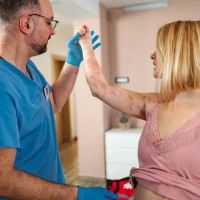
Performs a visual examination;
-
Asks the patient when the growth appeared, whether it increased, changed in structure or color, causes discomfort, etc.;
-
Conducts dermatoscopy to determine whether the growth is benign or malignant;
-
Based on the results, decides whether removal is needed and discusses the most suitable method with the patient.
Marina Malapura: “If there is suspicion of a malignant growth, surgical removal with a pathohistological study is prescribed. This is performed by oncologists or dermatologists specialized in surgical dermatology.”
Currently, modern medicine offers several safe removal methods:
-
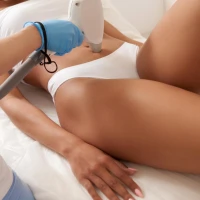
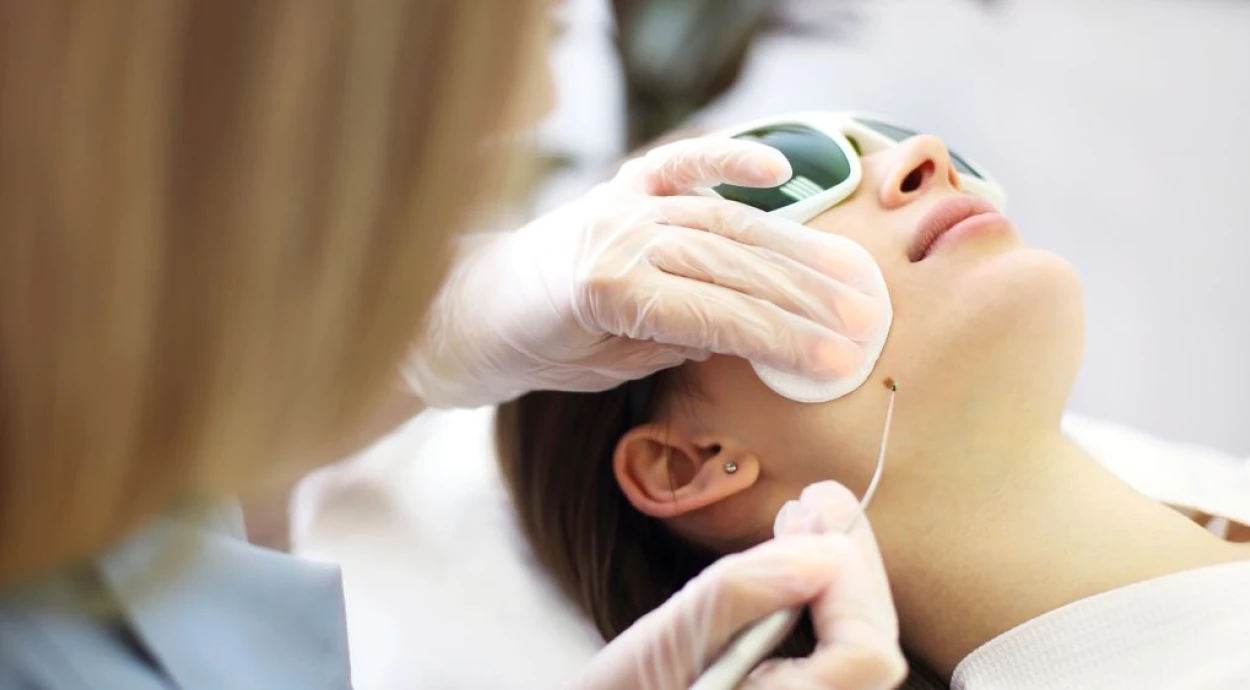
Laser evaporation and coagulation;
-
Radio wave coagulation (e.g., using the Surgitron device);
-
Acid treatment — salicylic or trichloroacetic;
-
Cryodestruction with liquid nitrogen (effective even for certain skin cancers);
-
Surgical excision;
-
Curettage, a type of surgical intervention often used for growths on the feet.
Will There Be Scars?
This depends on many factors, including:
-
Skin properties;
-
Age;
-
Size of the removal area;
-
Depth of the growth.
The same procedure affects people differently: some have no trace, while others may be left with small white spots or scars. The healing period also varies — shorter for some, longer for others. This does not depend on the doctor or the method of removal.
Marina Malapura: “But if you want to reduce the risk of skin pigmentation, it is better to remove papillomas or growths on open areas of the body and face during periods of low solar activity — in winter or autumn.”
For any skin problems, consult dermatologists. They will conduct the necessary dermatoscopic tests, assess the nature of the growth, and decide whether it should be removed and how best to do it. It is convenient when such a specialist works in a clinic that has a hospital, operating rooms, and other technical facilities to perform everything on site.