Contents:
- What MRI is done for
- How an MRI is done
- How long an MRI takes
- How often an MRI can be done
- When an MRI cannot be done
- Is it possible to have an MRI with metal structures
- MRI safety and common myths
When a doctor recommends having an MRI, many patients have a number of questions about the examination: how long it will take, whether it can be done again, and whether it is safe to undergo it several times a year.
Today, magnetic resonance imaging is one of the most informative methods for visualizing internal organs and tissues. The examination makes it possible to obtain high-resolution layered images without the use of ionizing radiation, which is why it is considered safe.
Next, we will go over the key aspects of the procedure: from the specifics of how it is performed and its duration to the allowable frequency of performance and possible limitations that are important to know before booking the examination.
What MRI is done for
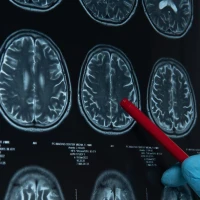
Magnetic resonance imaging is prescribed when it is necessary to obtain detailed information about the condition of a particular organ or body area. The examination helps detect structural changes, inflammatory processes, neoplasms, impaired blood supply, and the consequences of injuries that are not always visible with other diagnostic methods.
Most often, the examination is performed to assess:
- the brain and spinal cord;
- the spine and intervertebral discs;
- joints and soft tissues;
- abdominal and pelvic organs;
- blood vessels;
- the heart.
In neurology, MRI makes it possible to detect strokes, tumors, demyelinating diseases, and the consequences of traumatic brain injuries. In cardiology, the method is used to assess the structure of the myocardium, the function of the heart chambers, and complications in conditions such as coronary heart disease.
In orthopedics and traumatology, tomography helps diagnose damage to ligaments, menisci, and tendons, and determine the degree of degenerative changes. In gynecology and urology, it is used to уточнить the nature of neoplasms and the extent of the process.
How an MRI is done
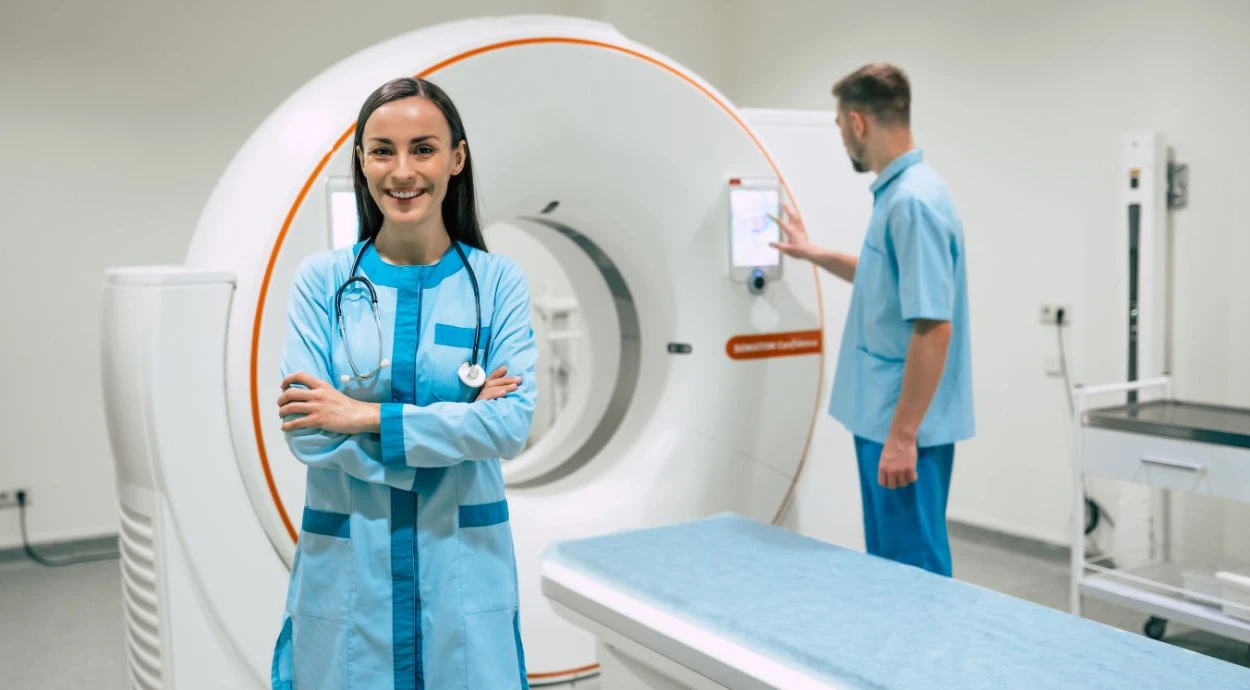
The examination is performed using an MRI scanner — a device that creates a magnetic field and reads signals from the body’s tissues. Before the procedure, the patient removes all metal items: jewelry, watches, glasses, hearing aids, and other items that may interact with the magnetic field.
During the examination, a person lies on a movable table that slides into the scanner. It is important to remain still throughout the entire scan, as this affects the quality of the images obtained. A medical professional is in the adjacent room and monitors the examination process.
In some cases, the examination is performed with intravenous administration of a contrast agent. Contrast helps better assess the condition of blood vessels, detect neoplasms, or уточнить the nature of патологических changes. The need for its use is determined by the doctor individually.
How long an MRI takes
The duration of MRI depends primarily on which area needs to be examined and whether the administration of a contrast agent is planned. In most cases, the procedure lasts from 15 to 60 minutes.
If one anatomical area is examined, for example a joint or one section of the spine, the time will be shorter. Comprehensive examinations or examinations with contrast require more time.
What the duration of an MRI depends on
The main factors that affect the duration of the procedure are:
- the examination area;
- the scope of the examination (one or several areas);
- the need to administer contrast.
For example, an examination of one joint usually takes less time than an examination of the brain or several sections of the spine. If a contrast agent is used, additional time is added for its administration and additional scanning.
How long MRI of different organs takes
The approximate duration of the examination is:
- brain — 20–30 minutes;
- one section of the spine — 20–30 minutes;
- joint — 15–25 minutes;
- abdominal organs — 30–40 minutes;
- pelvic organs — 30–40 minutes;
- heart — up to 60 minutes.
These figures are average. The exact time is determined may vary.
How often an MRI can be done
.jpg)
Restrictions on the frequency of MRI are not clearly established, since the examination is performed without the use of X-ray radiation. That is why the examination can be performed again based on medical indications. The need and frequency are determined depending on the diagnosis, the clinical situation, and the purpose of the examination. In some cases, a single examination is sufficient; in others, regular monitoring is needed.
How many times an MRI can be done without harm to health
The magnetic field does not create a cumulative harmful effect on the body, so if necessary, the examination can be performed several times during the year.
The only factor that requires additional assessment is the use of a contrast agent. In such situations, kidney function and the patient’s general condition are taken into account. If there are no contraindications, repeated contrast-enhanced examinations can also be performed safely.
MRI for monitoring treatment and disease dynamics
Repeat tomography is often used to evaluate the effectiveness of treatment or to observe the course of chronic diseases. It may be prescribed for neoplasms, spinal pathologies, multiple sclerosis, and other conditions where it is important to track changes динамике. In such cases, the examination helps assess structural tissue changes and своевременно adjust treatment tactics. Intervals between examinations are determined depending on clinical need — from a few weeks to planned annual monitoring.
When an MRI cannot be done
Despite the fact that the method is considered safe, there are situations when the examination is not performed or requires a preliminary assessment of the condition. Before prescribing it, it is important to inform the doctor about the presence of implants, past surgeries, chronic diseases, and other особенностях of the health condition. This makes it possible to determine whether the examination can be performed.
Absolute contraindications to MRI
Absolute contraindications are situations where the examination is impossible due to the presence of implanted devices.
These include:
- implanted pacemakers or cardioverter-defibrillators that do not have the MR-conditional or MR-safe label;
- neurostimulators, insulin pumps, and other electronic implanted systems that are incompatible with MRI;
- ferromagnetic aneurysm clips;
- certain types of metal implants that are incompatible with MRI.
In such cases, alternative examination methods are usually considered.
Relative contraindications and limitations
There are conditions under which MRI may be performed, but after an additional assessment of the condition and taking into account clinical appropriateness.
These include:
- the first trimester of pregnancy;
- severe claustrophobia;
- severe general condition of the patient;
- renal insufficiency when planning contrast enhancement;
- presence of metal implants.
In such situations, the decision is made individually: sometimes the examination is performed without contrast, sometimes — after confirming implant compatibility, or another diagnostic method is chosen.
This approach makes it possible to minimize risks and ensure safe performance of the examination.
Is it possible to have an MRI with metal structures
The presence of metal implants is not always a contraindication to the examination. Most modern medical structures are made of materials that do not react to the magnetic field. At the same time, before the examination it is important to inform the doctor about all implanted devices or metal elements in the body.
The decision depends on the type of material, the location of the structure, and the time that has passed since surgery.
Is it possible to have an MRI with a titanium plate
Titanium is a non-magnetic material, so most titanium plates, screws, and фиксаторов are considered compatible with MRI. Such structures do not shift under the воздействием of the magnetic field.
However, in the area where the implant is located, minor image distortions are possible. If the examination is performed in another anatomical area, the titanium plate usually does not affect diagnostic quality.
Is it possible to have an MRI with crowns
Dental crowns, orthopedic structures, and most modern implants are not a contraindication to the examination. They are fixed and do not react to the magnetic field.
In some cases, metal elements in the oral cavity may create artifacts on the image, especially if the head or neck area is being examined. This does not pose a danger to the patient, but may partially affect image quality in the adjacent area.
Is it possible to have an MRI after stenting
Most modern coronary stents are made of materials compatible with MRI. After stabilization of the patient’s condition and completion of the early postoperative period, the examination is usually allowed.
Stenting is most often performed in patients with a diagnosis such as ischemic heart disease, so the issue of the possibility of subsequent tomography is particularly relevant. Before booking, it is important to inform the doctor about the procedure and, if possible, provide information about the implant model.
MRI safety and common myths
Magnetic resonance imaging is considered one of the safest imaging methods, since no ionizing radiation is used during the examination. The study is based on the effects of a magnetic field and radio waves, which do not have a cumulative radiation effect.
Despite this, there are many myths around the procedure.
- Myth 1: MRI “irradiates” the body. In fact, the method is not associated with X-rays, so it does not create radiation exposure.
- Myth 2: MRI is dangerous when performed frequently. In the absence of contraindications, the examination can be performed again based on medical indications.
- Myth 3: Metal in the body is обязательно a contraindication to the examination. Most modern implants are made of materials compatible with the magnetic field. The issue of safety is decided individually after уточнение of the type of structure.
- Myth 4: Contrast is harmful. Contrast agents are used only when indicated. Before their administration, kidney function and the patient’s general condition are assessed, which minimizes possible risks.
Thus, with the right approach to preparation and taking into account individual особенности of the health condition, MRI is a safe and informative diagnostic method. The main thing is to undergo the examination on a doctor’s recommendation and inform about all important medical nuances.
The information in the article is provided for ознакомления and is not a guide for self-diagnosis and treatment. If symptoms of the disease appear, you should consult a doctor.
Sources: