Contents:
- How to prepare for a CT scan: general rules
- Can you eat before a CT scan and drink water
- What should not be done before a CT scan
- How to prepare for a CT scan with contrast
Before undergoing a CT scan, patients often have practical questions: can they eat, should they drink water, what should they bring with them, and how should they prepare properly so that the results are accurate. In most cases, the preparation is not complicated, but it is important, especially if the examination is performed with a contrast agent.
In this article, clear and understandable recommendations before a CT scan are collected that will help you prepare properly for the examination, avoid unnecessary anxiety, and undergo the procedure as comfortably as possible.
How to prepare for a CT scan: general rules
Preparation for a CT scan may differ depending on the area being examined and the need to use a contrast agent. In some cases, basic recommendations are sufficient, but before certain types of examination, additional requirements must be followed.
Basic preparation rules:
- Schedule the examination in advance in order to choose a convenient time and clarify the details of the preparation.
- Bring a referral with you, if you have one, so that it is clear which exact area needs to be examined.
- Choose comfortable clothing without metal elements, as they may affect the quality of the images.
- Inform about chronic diseases, allergies, as well as pregnancy or the possibility of pregnancy.
- Inform about taking medications, especially if an examination with contrast is planned.
- Remove jewelry, a watch, glasses, hearing aids, and other metal objects before the procedure.
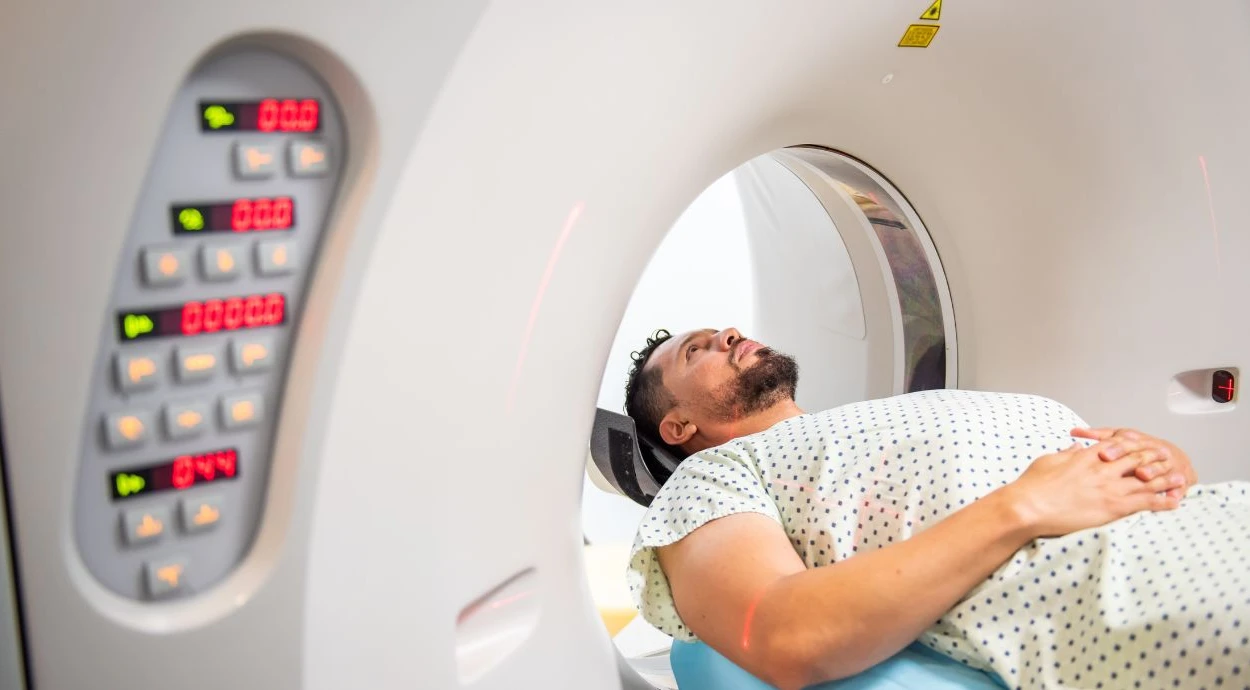
The computed tomography scan itself does not take long and does not cause pain or discomfort, and following these simple rules helps to obtain the most accurate examination results possible.
Can you eat before a CT scan and drink water
Before a CT scan, the question often arises whether it is necessary to restrict yourself in food. This depends on what exact examination has been prescribed for you and whether contrast will be used.
If the CT scan is performed without contrast:
- you can eat as usual;
- you may drink water without restrictions;
- sometimes there may be separate recommendations before the examination of the abdominal organs or the pelvis.
If a CT scan with contrast is planned:
- if the examination is in the morning — it is usually done on an empty stomach;
- if it is during the day — it is advisable not to eat for 4–6 hours before the procedure;
- you may drink water in a small amount;
- the day before, it is better to choose light food and not overeat.
Patients often ask what can be eaten before a CT scan with contrast. On the day before the examination, it is better to choose light food that is easily digested and does not cause discomfort: porridge, boiled or stewed vegetables, lean meat or fish, light soups. Fatty, fried food, fast food, and products that may cause bloating should be avoided.
Such simple rules will help you feel more comfortable during the examination and obtain an accurate result.
What should not be done before a CT scan
Before a CT scan, it is important not only to follow the recommendations but also to avoid actions that may affect the quality of the examination or your well-being.
It is not recommended to:
- Consume alcohol on the day before the examination, especially if a CT scan with contrast is planned.
- Overeat before the examination or consume heavy, fatty food.
- Ignore the preparation recommendations if they were given before the examination.
- Independently stop taking medications prescribed by the doctor or change their dosage.
Metal objects (jewelry, watches, accessories) will need to be removed before the examination — you will be reminded of this before the procedure.
How to prepare for a CT scan with contrast
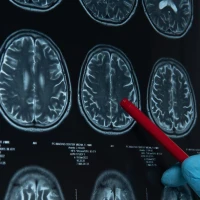
Specialists at “Oxford Medical” note that a CT scan with contrast requires more careful preparation, since during the examination a special substance is administered that makes it possible to visualize organs, vessels, and pathological changes more clearly. Thanks to this, the examination becomes more informative and helps to assess the condition of the tissues more accurately. Contrast may be used during different types of examination, including in a brain CT scan, as well as CT scans of the abdominal organs or the chest, if it is necessary to evaluate the structures and vessels in more detail or to clarify the nature of the changes.
Before a CT scan with contrast, it is important to consider several points. First, the doctor may prescribe tests before the examination. Most often, this is a blood test for creatinine, which makes it possible to assess kidney function. It is important that this test be current (usually performed within the last 7–14 days). In some cases, other indicators may also be taken into account — depending on the patient’s state of health.
This is necessary because the contrast agent is excreted through the kidneys. If their function is impaired, the examination may be changed or performed without contrast.
The following recommendations should also be followed:
- Maintain a break in food intake: if the examination is in the morning — come on an empty stomach; if it is during the day — do not eat for 4–6 hours before the procedure.
- Inform about allergies, especially to iodine-containing medications or contrast agents.
- Inform about chronic diseases, in particular kidney diseases, thyroid diseases, and diabetes mellitus.
- Clarify the intake of medications: some of them (for example, metformin) may require temporary adjustment according to the doctor’s recommendation.
- Arrive at the examination a little earlier in order to calmly prepare for the procedure.
During the administration of the contrast, sensations of warmth throughout the body or a metallic taste in the mouth may occur — this is a normal short-term reaction.
After the examination, it is recommended to drink more water throughout the day in order to help the body eliminate the contrast agent faster.
Following these recommendations makes it possible to make the examination safe, comfortable, and as informative as possible.
The information in this article is provided for ознакомление and is not a guide to self-diagnosis and treatment. If symptoms of a disease appear, you should consult a doctor.
Sources: