Contents:
- What you need to know before giving an injection
- Where to inject in the buttock
- How to properly give an injection in the buttock: step-by-step instructions
- What happens if an injection is done incorrectly
- What to do if it hurts after an injection
Injections into the buttock are one of the most common methods of administering medications and are widely used both in medical facilities and at home. Intramuscular administration allows the active substance to be quickly delivered into the bloodstream, ensuring an effective therapeutic result. That is why such injections are widely used in various fields of medicine, including during pneumonia treatment and other conditions that require systemic therapy.
Despite the apparent simplicity of the procedure, incorrect injection technique can lead to pain, the formation of lumps, hematomas, or even more serious complications. It is important to understand not only the technique of administering the drug, but also anatomical features, as well as the rules of sterility and safety.
In this article, we will подробно consider how to properly perform an injection in the buttock, what to pay attention to before the procedure, how to choose a safe injection site, and what to do if discomfort occurs after the injection.
What you need to know before giving an injection
Before performing an intramuscular injection, it is important to properly prepare for the procedure. This helps reduce the risk of complications, make the injection less painful, and ensure effective drug administration.
First of all, you should read the instructions for the medication prescribed by the doctor. Some drugs have specific requirements regarding the method of administration, dosage, and injection rate, so the instructions should not be ignored.
An important step is preparing all the necessary materials. You will need:
- a sterile syringe of appropriate volume;
- an ampoule or vial with the medication;
- alcohol wipes or an antiseptic;
- sterile cotton or gauze pads;
- disposable gloves (if possible).
Before the procedure, you should thoroughly wash your hands with soap or treat them with an antiseptic. You should also check the integrity of the syringe packaging and the expiration date of the medication. If the ampoule is damaged or the solution has changed color or transparency, it should not be used.
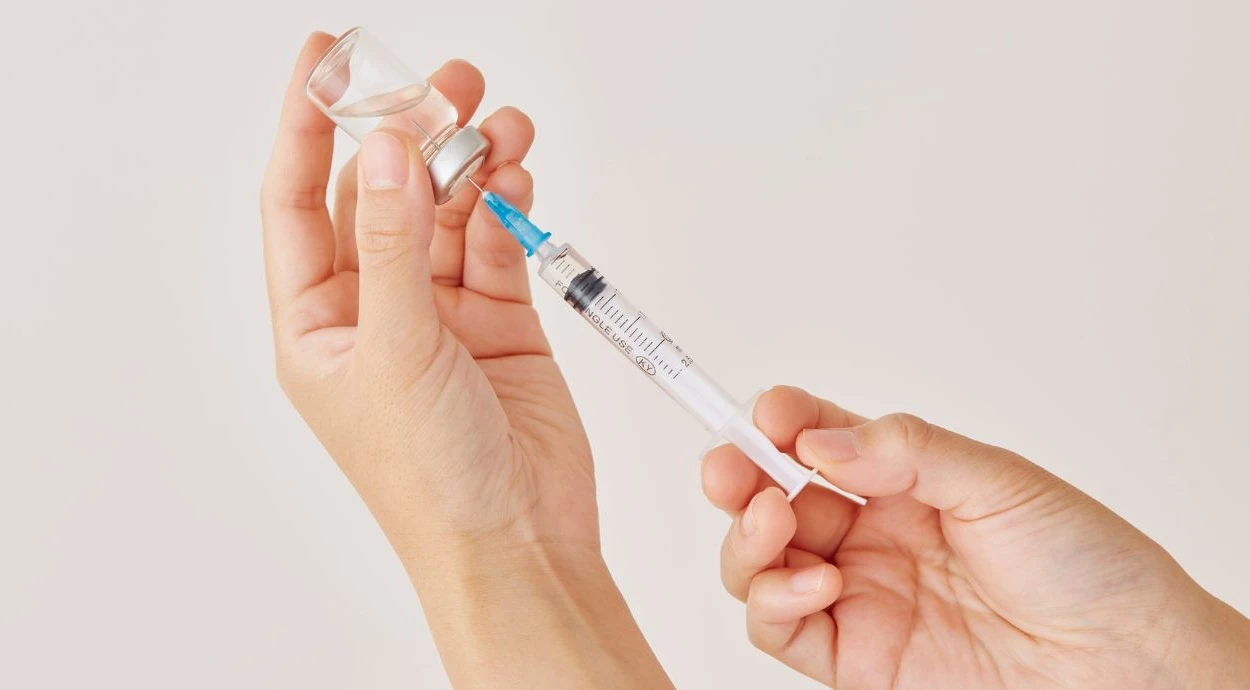
Special attention should be paid to preparing the medication itself. If it is an ampoule, it should be carefully opened after treating the neck with an antiseptic. In the case of powder forms, the medication should be diluted according to the instructions. After drawing the medication into the syringe, it is necessary to remove air to avoid discomfort during administration.
Doctors at “Oxford Medical” note that if there is an elevated temperature, general deterioration of well-being, weakness, rash, or induration in the area of previous injections before the procedure, it is better to postpone the injection and consult a doctor. In such cases, it is advisable to arrange a nurse home visit to ensure proper and safe administration of the injection.
Where to inject in the buttock
Choosing the correct injection site is a key factor in safe injection performance. A mistake at this stage can lead to pain, the formation of lumps, or even damage to nerves and blood vessels.
To understand which part of the buttock to inject, the buttock should be conditionally divided into four equal parts. This is done by imagining vertical and horizontal lines that form four quadrants. The safe area for injection is the upper outer quadrant.
This area is chosen for several reasons:
- there are fewer large blood vessels in this area;
- there is no risk of damaging the sciatic nerve;
- there is sufficient muscle tissue for even distribution of the medication.
How to determine the correct area in practice:
- find the upper edge of the buttock;
- focus on the outer (closer to the thigh) part;
- the injection is performed in the upper outer section, approximately 5–7 cm from the center of the buttock.
It is important not to inject into the central or lower part of the buttock, as the sciatic nerve passes there. Damage to it may cause sharp pain, numbness, or impaired leg mobility.
If injections are given as a course, the buttocks should be alternated and a few centimeters away from the previous injection site should be used. This helps avoid tissue irritation and reduces the risk of induration.
How to properly give an injection in the buttock: step-by-step instructions
.jpg)
To ensure the injection is safe and as comfortable as possible, it is important to follow a clear sequence of steps.
- Prepare the necessary materials. Prepare a syringe, medication, antiseptic, and sterile wipes. Everything should be ready before starting the procedure.
- Draw the medication into the syringe. Carefully open the ampoule, draw the solution, and remove air from the syringe.
- Position the person correctly. The best position is lying on the side or on the stomach. The muscle should be relaxed.
- Disinfect the injection site. Wipe the area with an antiseptic and let the skin dry.
- Insert the needle. Insert the needle with a quick motion at a 90-degree angle.
- Inject the medication. Slowly press the plunger to administer the drug.
- Finish the procedure. Remove the needle and apply a sterile wipe to the injection site.
This sequence helps perform the injection correctly, reduce discomfort, and avoid common mistakes.
What happens if an injection is done incorrectly
Violation of intramuscular injection technique can lead to various complications — from minor discomfort to conditions that require medical attention.
The most common issues include:
- pain and pronounced discomfort after the injection;
- lumps (infiltrates) at the injection site;
- hematomas due to blood vessel damage;
- inflammation or suppuration if sterility is not maintained;
- irritation of nerve endings due to incorrect site selection.
Incorrect drug administration may also reduce the effectiveness of treatment if the medication is not delivered into the muscle or is administered improperly.
What to do if it hurts after an injection
Moderate pain or discomfort after an intramuscular injection is quite common. In most cases, this is a normal tissue response to drug administration and mechanical irritation of the muscle. However, it is important to correctly assess your sensations and understand when the situation does not require intervention and when it is necessary to consult a doctor.
When pain after injection is a normal reaction
After the injection, mild pain, a feeling of pressure, or discomfort may occur at the injection site. This is due to the muscle tissue reacting to the puncture and the introduction of the medication.
A normal situation is when:
- the pain is moderate and gradually decreases within 1–3 days;
- there is no pronounced redness, swelling, or increase in skin temperature;
- there is no sharp increase in pain or deterioration of general well-being.
In such cases, special treatment is usually not required. It is enough to avoid stress on the injection area and not to injure it additionally.
What to do when induration appears after injections
Sometimes, after injections, a lump may form at the injection site. This is associated with the accumulation of the drug in the tissues or a reaction of the muscle to the injection.
If the question arises what to do when induration appears after injections, the following recommendations should be followed:
- do not massage the injection site intensively;
- avoid repeated injections in the same area;
- if necessary, dry heat may be used (in the absence of signs of inflammation);
- monitor changes — the lump should gradually decrease.
It is important to consult a doctor if the lump does not disappear, increases, becomes painful, or is accompanied by redness and increased skin temperature. This may indicate an inflammatory process that requires medical attention.
The information in this article is provided for informational purposes only and is not a guide for self-diagnosis or treatment. If symptoms occur, you should consult a doctor.
Sources: