


discomfort occurs when eating hot or cold food
They have a wide range of colors, high durability and a service life of 5 to 15 years.

 Adults Adults Adults Adults Adults Adults Adults Adults Adults
  Children Children Children Children


 Hotline:
 Adults Adults Adults Adults Adults Adults Adults Adults Adults Children Children Children Children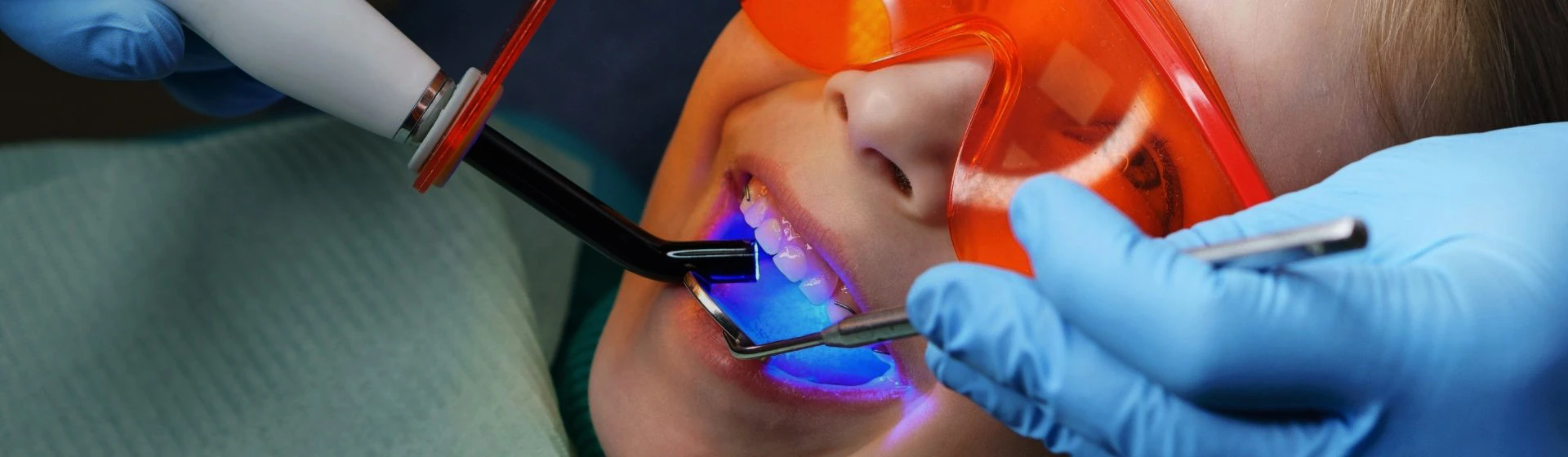
Treatment of baby teeth – this is an extremely responsible task. Especially if it is done for the first time. The dentist must show the baby that it is not painful or scary, but, on the contrary, even interesting. A lot depends on the first impression: whether the child will calmly go to the doctor and whether he will want to take care of his teeth.
“Oxford Medical” employs experienced pediatric dentists who know how to find an approach to each patient. Before the session, they communicate with the child and, using game adaptation methods, help him prepare for the procedure. Older children are shown the main tools and told what they will do.
The clinic has installed new premium-class equipment and uses high-quality certified materials. All modern methods are used to treat baby teeth, including the installation of colored fillings, closing fissures, fluoridation, remineralization of teeth and other procedures.
Not so long ago, it was widely believed that it was not necessary to treat baby teeth, since they fall out at an early age and are replaced by permanent teeth. Now everyone knows that the baby bite affects the formation of permanent teeth and the health of the child in general.
It is necessary to treat caries and other diseases of the teeth and gums regardless of the child's age. Sometimes even children aged 2-3 years old come to the dentist, and by the time they enter school, half of the children have at least one filling.
Thanks to modern technologies, the treatment of baby teeth is carried out without pain and stress.
Its main features are:
complete anesthesia – before the anesthetic injection, a gel or spray is applied to the gums to reduce sensitivity so that the child does not feel the injection;
use of sedation – when planning a large volume of work, treating a young child or having phobias, it is recommended to use medication sleep (it does not affect vital functions, and the child's condition is constantly monitored by an anesthesiologist);
using fluoride-containing materials for filling replacement teeth, which protect the tooth from the development of secondary caries;
the possibility of installing bright colored fillings.
The specialists of “Oxford Medical” do everything to ensure that young patients have only positive impressions of dental treatment.
For the purpose of prevention, it is recommended to take your child to the dentist every 6 months.
This allows you to monitor the health of your teeth and diagnose all diseases in a timely manner.
Urgent consultation with a doctor is necessary if your child:


discomfort occurs when eating hot or cold food
toothache
Dark spots appeared on the tooth
a tooth has broken off
there is bad breath
bleeding gums

A visit to a pediatric dentist begins with an introduction and a short conversation. The doctor tells the child why it is important to take care of their dental health and how the examination and treatment will be conducted.
When the child adapts, the dentist performs the necessary manipulations. If the treatment will be carried out under sedation, he is allowed to breathe through a mask. Light sedatives quickly immerse the child in a medical sleep, from which he easily wakes up after the procedure. Sedation allows you to treat many teeth at once, without subjecting the child to fatigue from a long stay in the dental chair.
When using local anesthesia, the doctor first applies a "gel" with an anesthetic effect to the gums, and then injects an anesthetic drug. It starts working within 10 minutes and removes all the sensations from the medical manipulations.
Treatment of milk teeth is most often required when caries develops.
In the initial stages, instead of fillings, sometimes the following are performed:
remineralization;
silvering.
These techniques involve applying various preparations to the teeth that help strengthen the enamel and prevent the development of caries.
In addition to fillings, fissure sealing is also performed in pediatric dentistry – closing of relief cavities on molars, where caries often develops due to the accumulation of plaque.
In the pediatric dentistry "Oxford Medical" all conditions for effective treatment and comfort of young patients are created. The clinic employs experienced doctors who know how to find an approach to each child or teenager.
To make an appointment with a pediatric dentist, call our contact center or write to the chat on the website.
In case of medium and deep caries, the affected tooth tissues are first removed, and then they are filled.
Children are filled with:
They have a wide range of colors, high durability and a service life of 5 to 15 years.
They are also durable and have natural shades, but are produced in the form of several components that the dentist will mix before applying to the tooth.
They contain fluoride, which is released within a year after the filling is placed and helps protect the tooth from secondary caries.
They are designed specifically for the treatment of deciduous teeth and consist of a mixture of photopolymer and glass ionomer cement.


High professionalism of doctors
Equipping the clinic with new expert-class equipment
Application of game adaptation methods
Possibility of treatment in a dream (with the use of sedation)
Comfortable atmosphere in clinics
Loyalty program for regular patients


 0
0  27+
27+  27+ Years of experience
  Kyiv, Pavlivska St., 26/41


 in the clinic
  online
  Hello!


