


sharp pain when eating hot or cold food
It manifests as inflammation of the upper pulp tissues and causes sharp, throbbing pain.

 Adults Adults Adults Adults Adults Adults Adults Adults Adults
  Children Children Children Children


 Hotline:
 Adults Adults Adults Adults Adults Adults Adults Adults Adults Children Children Children Children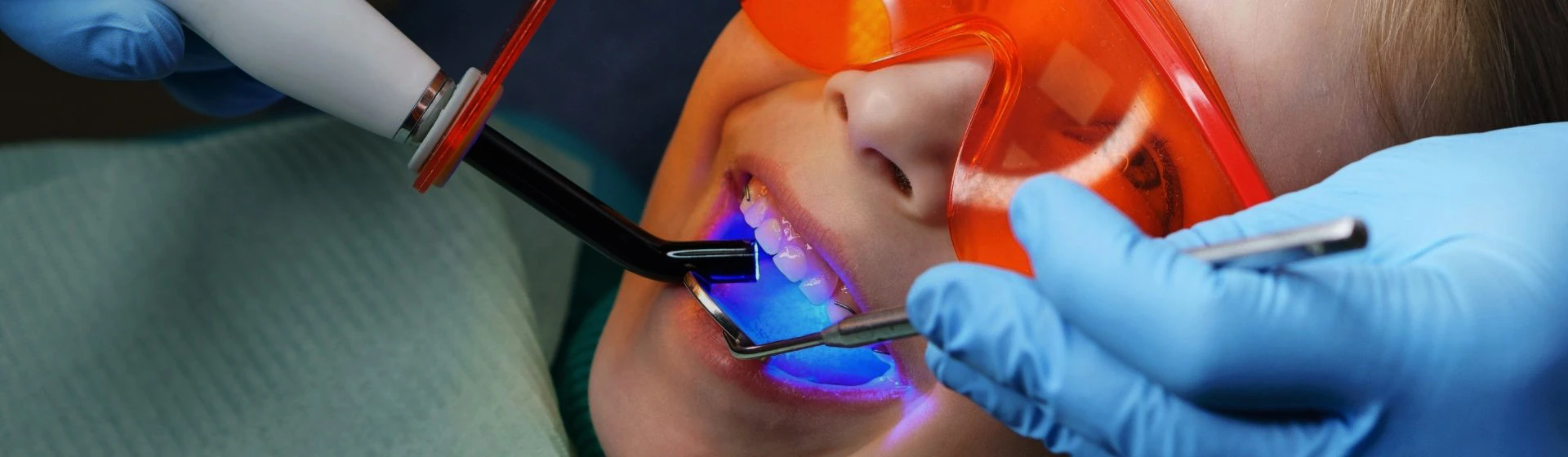
Toothache is one of the most unpleasant. Acute and intense - it does not allow you to be distracted for a minute. When such pain occurs in a child, help is needed immediately.
At the "Oxford Medical" medical center, pediatric dentists work every day from morning until late at night. They are ready to help every child and quickly treat pulpitis. To relieve your child from pain, one visit to the doctor is enough!
The main cause of toothache in children is pulpitis - inflammation of the soft tissues of the tooth, through which blood vessels and nerves pass.
Unlike root teeth, the enamel of deciduous teeth is thinner, and the dentin located underneath is softer. Because of this, caries can penetrate deeper into the tooth faster and lead to pulpitis in a few months.
It is accompanied by acute pain, which forces parents to urgently take their child to the dentist.
In the initial stages, caries is almost invisible. First, the shine of the enamel decreases, then a small yellow or brown spot appears, which is easy to miss due to the lack of symptoms.
When caries spreads to the dentin, the child may experience sensitivity to cold and hot, as well as sweet and sour foods. When this happens, you need to see a doctor as soon as possible, as the next stage may be pulpitis.
Pulpitis develops as a result of caries that is not treated in time, when it destroys the upper layers of the tooth and reaches the soft tissues containing nerve endings.
Much less often, the cause of pulpitis is chips or increased tooth wear, enamel thinning or hypoplasia, poor-quality dental treatment, as well as chronic diseases of the ENT organs.
Pain – is the main symptom of pulpitis. Depending on the stage of inflammation, it can be
constant or periodic, acute or aching. It can spread to neighboring teeth.
In children, it often occurs or worsens at night. Occasionally, pulpitis leads to
enlargement of the cervical lymph nodes in a child and an increase in body temperature.
In addition, other symptoms may appear with pulpitis of milk teeth:


sharp pain when eating hot or cold food
swelling of the gums around the affected tooth
discomfort when pressing on the tooth
bad breath
general weakness, moodiness

Due to the acute pain, pulpitis forces you to immediately consult a doctor, thanks to which the disease is successfully treated.
If therapy is not carried out, after 2-3 weeks pulpitis can become chronic. As a result, the pain subsides and there is a false feeling that the inflammation has passed, but it persists in a sluggish form and provokes further destruction of the tooth.
Most often, acute pulpitis develops first in children - this is an active inflammation, accompanied by severe pain. It can be:
It manifests as inflammation of the upper pulp tissues and causes sharp, throbbing pain.
It develops as the next stage of the disease, when the inflammation spreads deep into the tooth.
Baby teeth need treatment just like molars. It is very important to preserve them until they are naturally replaced. Premature loss can lead to malocclusion, diction, and other health problems.
The "Oxford Medical" clinic uses modern methods of pulpitis treatment, which allows you to save a baby tooth even with severe decay. Therapy may require several visits to the doctor, but the pain will go away after the first one.
Depending on the stage of pulpitis, treatment is carried out using:
biological method, which allows you to keep the pulp "alive".
devital, which involves partial or complete removal of the pulp.
The first is used for mild inflammation and shallow tooth decay.
It involves:
tooth preparation;
removal of tissues affected by caries;
treatment of the pulp with an antiseptic;
insertion of a drug;
closing the tooth with a temporary filling.
If necessary, the child is also prescribed medication.
Treatment of a tooth with nerve removal is performed in diffuse and chronic pulpitis. It allows you to quickly eliminate pain and save the tooth, despite severe carious destruction.
Therapy involves:
tooth preparation;
mechanical cleaning of the root canals;
treatment of the canals with a drug;
filling the canals;
restoration of the carious cavity.
As a rule, such treatment is performed in several stages. First, the pulp is treated with a special drug and closed with a temporary filling. During the next visit, the root canals are mechanically cleaned, and a permanent filling is placed a few days later.

At «Oxford Medical» dental treatment for children is performed without pain and stress. Dentists use play adaptation methods to help the child get used to the atmosphere of the clinic and tune in to the treatment.
Depending on the child's age and the complexity of the upcoming procedure, the following are used for pain relief:
local anesthesia – before the injection, an anesthetic gel is applied to the gums so that the child does not even feel the injection;
sedation, or medical sleep – the child is allowed to breathe through a mask, after which he falls asleep and wakes up after the treatment.
Sedation is performed using light sedatives that do not affect the body's vital functions. It is well tolerated by children and, with proper preparation, does not cause complications. The child's condition during the procedure is monitored by an anesthesiologist.
The dentistry "Oxford Medical" employs pediatric dentists with many years of experience. They not only have excellent therapeutic skills, but also know how to find an approach to each patient.
For the diagnosis and treatment of pulpitis and other diseases of deciduous teeth, the clinic uses new expert-class equipment and high-quality certified drugs.
To make an appointment with a pediatric dentist, call our contact center or leave a request on the website, and we will call you back as soon as possible.


Experienced and friendly doctors who know how to find an approach to each child
New equipment from the USA and Europe
Application of the most modern treatment methods
Convenient location and cozy atmosphere of the clinics

 0
0  27+
27+  27+ Years of experience
  Kyiv, Pavlivska St., 26/41


 in the clinic
  online
  Hello!


