


Without timely treatment, symptoms may worsen, leading to gait disturbances and prolongation of the recovery period.
pain in the forefoot or midfoot area that increases during walking, weight-bearing, or pressure;

 Adults Adults Adults Adults Adults Adults Adults Adults Adults
  Children Children Children Children


 Hotline:
 Adults Adults Adults Adults Adults Adults Adults Adults Adults Children Children Children Children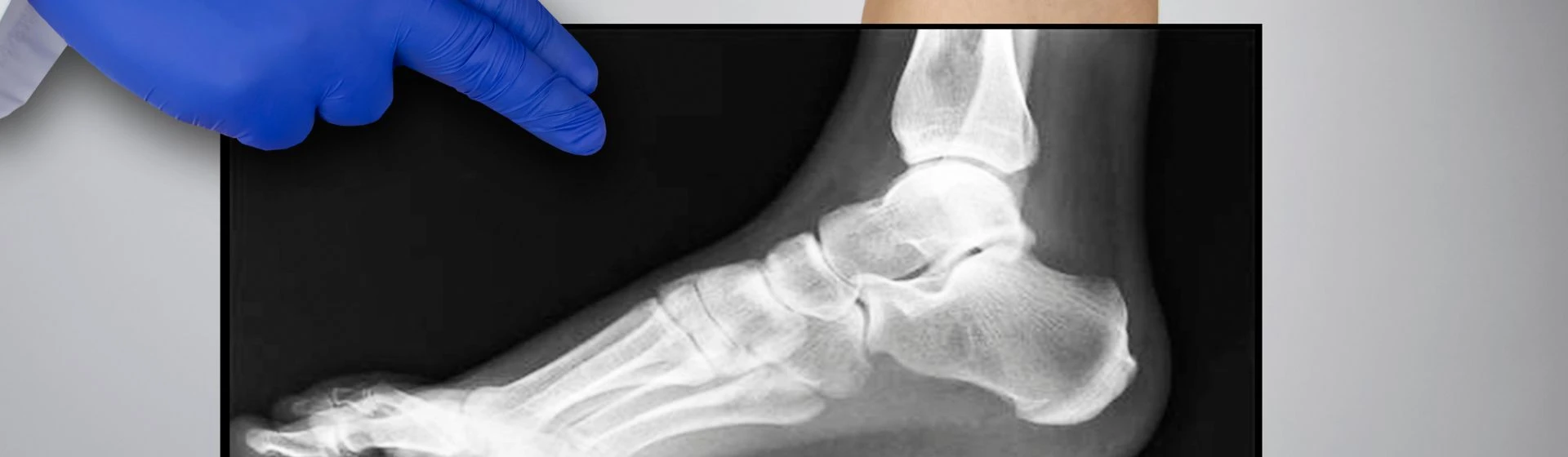
A metatarsal fracture is a foot injury that can significantly affect the ability to walk normally and perform everyday activities.
The metatarsal bones provide support for the forefoot and play an important role in load distribution during walking. Therefore, their injury is usually accompanied by pain, swelling, and difficulty bearing weight on the foot. Even a non-displaced fracture may cause prolonged discomfort and require comprehensive treatment.
If pain or swelling develops in the foot after an injury, it is important not to delay medical evaluation. At the medical center «Oxford Medical» in Kyiv, a 24/7 trauma department is available, where patients can promptly undergo a medical examination and have a foot X-ray performed using modern equipment.
You can schedule an appointment with a trauma specialist by phone or via the online booking form on the website.
The most common causes of a fracture include:
dropping a heavy object onto the foot;
twisting the foot while walking, running, or going down stairs;
sports injuries associated with jumping and sudden changes in direction;
prolonged load on the foot during intensive training or long-distance walking;
reduced bone density, which increases bone fragility.
In some cases, a metatarsal fracture may be accompanied by damage to the ligaments or joints of the foot, complicating the course of the injury and requiring more careful examination and treatment monitoring.
Clinical manifestations depend on the
location of the fracture, the number of affected metatarsal bones, and the
presence of fragment displacement. In some cases, symptoms appear immediately
after the injury; in others, they may develop gradually, especially if
weight-bearing on the foot continues.
The most common signs include:


pain in the forefoot or midfoot area that increases during walking, weight-bearing, or pressure;
swelling and redness of the soft tissues in the injured area;
bruising, most often on the dorsal surface of the foot;
partial or complete limitation of weight-bearing on the leg due to pain and instability.

Without timely treatment, symptoms may worsen, leading to gait disturbances and prolongation of the recovery period.
Injuries to the outer edge of the foot occupy a special place among metatarsal fractures. A fracture of the 5th metatarsal bone of the foot is one of the most common types and usually occurs as a result of twisting the foot, an awkward step, or a sudden load on the foot. Due to its anatomical position, this bone is often injured even with relatively minor mechanical impact.
A fracture of the base of the 5th metatarsal bone is considered separately. This area has poorer blood supply compared to other parts of the foot, which is why bone healing may take longer. For this reason, such fractures require careful diagnosis, regular follow-up, and strict adherence to weight-bearing restrictions.
Typical symptoms include pain along the outer part of the foot that worsens with walking and weight-bearing, localized swelling, and discomfort when wearing shoes. Without timely treatment, the fracture may lead to gait disturbances and a prolonged recovery period.
Treatment of metatarsal fractures is selected individually and depends on the location of the injury, the number of fractured bones, the presence of fragment displacement, and overall foot stability. The main goal of treatment is to ensure proper bone healing, preserve the weight-bearing function of the foot, and prevent gait disturbances in the future.
Conservative management is used for stable fractures without displacement or when correct fragment alignment is maintained. This approach aims to create optimal conditions for bone healing and protect the injured area from excessive load.
Conservative treatment may include:
immobilization of the foot using an orthosis or cast to stabilize the fracture area and restrict movement;
limitation or complete avoidance of weight-bearing on the affected leg for a period determined by the physician;
medication-based pain relief and anti-inflammatory therapy to reduce pain and swelling;
dynamic follow-up with control X-ray examinations to assess the healing process.
The duration of immobilization depends on the fracture type and individual patient factors and usually lasts several weeks.
Surgical intervention may be recommended for fractures with displaced fragments, multiple metatarsal injuries, or foot instability. In such cases, without operative fixation there is a risk of improper healing, foot deformity, and chronic pain.
Surgery is aimed at:
anatomical realignment of bone fragments;
secure fixation of the bone fragments;
restoration of proper foot shape and biomechanics.
After surgical treatment, immobilization is also mandatory. The subsequent weight-bearing regimen, timing of fixation removal, and initiation of rehabilitation are determined individually by the physician based on follow-up examination results.
Rehabilitation after metatarsal fractures begins once the condition is stabilized and the physician allows a gradual return to weight-bearing. Its goal is to restore foot mobility, muscle strength, and a proper gait without pain or overload.
The rehabilitation period includes:
gradual and controlled increase in weight-bearing on the leg;
exercises to restore foot mobility and strengthen muscles;
training in proper load distribution during walking;
if necessary, the use of orthopedic insoles or supportive devices.
Special attention is given to rehabilitation after a fracture of the 5th metatarsal bone, as this area tends to heal more slowly, and premature weight-bearing may prolong recovery. Adhering to the recommended loading regimen and regular medical follow-up helps reduce the risk of complications and enables a return to normal activity levels.
With timely diagnosis and properly selected treatment, most metatarsal fractures heal without significant complications. However, in cases of complex injuries, premature weight-bearing on the foot, or failure to follow medical recommendations, long-term consequences may develop, affecting gait quality and daily comfort.
Possible consequences include:
chronic pain in the foot area that may persist during prolonged walking or physical activity;
impaired load distribution during walking, leading to rapid leg fatigue and discomfort;
deformity of the forefoot associated with improper bone healing or changes in bone alignment;
reduced leg endurance, making it difficult to walk or stand for long periods without a feeling of overload;
improper bone union, which may require prolonged rehabilitation or additional treatment.
The risk of such consequences increases significantly with delayed medical attention, neglect of immobilization guidelines, or early return to full weight-bearing. Following the physician’s recommendations, undergoing follow-up examinations, and completing comprehensive rehabilitation help reduce the likelihood of complications and preserve normal foot function in the long term.
The cost of treating a metatarsal fracture depends on the nature and severity of the injury, the number of affected bones, and the need for immobilization or surgical intervention.
You can review the prices for medical services in Kyiv at the private clinic Oxford Medical on our website.
More detailed information about treatment options and pricing will be provided by the physician during the initial consultation after examination and assessment of diagnostic results. You can schedule an appointment at a convenient time by phone or via the online booking form on the website.
The healing time for a metatarsal fracture usually ranges from 4 to 8 weeks. The rate of healing depends on the location of the fracture, the presence of fragment displacement, the patient’s age, and adherence to recommendations regarding immobilization and weight-bearing. Non-displaced fractures generally heal faster, while fractures of the base of the 5th metatarsal may require longer follow-up.
The duration of wearing a cast or another immobilization device for a metatarsal fracture of the foot is on average 3–6 weeks. The exact period is determined individually by the physician, taking into account the type of fracture, fragment stability, and the results of follow-up X-ray examinations. In some cases, an orthosis may be used instead of a cast.
After a fracture of the 5th metatarsal, weight-bearing on the foot is allowed gradually and only with the physician’s approval. Initially, partial weight-bearing is recommended using crutches or special footwear that reduces pressure on the outer edge of the foot. Full weight-bearing is introduced step by step, based on the absence of pain and follow-up examination results. Premature or excessive loading may slow bone healing and prolong the recovery period.


24/7 trauma care. Patients can seek medical assistance at any time.
Modern X-ray diagnostics. Immediate digital X-ray imaging allows for rapid diagnosis.
Experienced doctors. Skilled trauma doctors and surgeons provide care for all types of heel fractures.
Availability of surgical treatment. When necessary, patients with complex fractures can undergo surgical treatment.


 4.88
4.88  5+
5+  5+ Years of experience
  Kyiv, Mykhayla Hryshka St., 1
  0 3+
0 3+ 
 4.9 17+ 17+ Years of experience Kyiv, Mykhayla Hryshka St., 1
  4.84 36+ 36+ Years of experience m. Irpin vul. University, 2/1, building 3




 in the clinic
  online
  Hello!


