


in injuries with severe bleeding
This is the main method of visualizing bones and joints. It allows you to quickly and accurately detect fractures, cracks, dislocations and other damage to bone tissue and joints.

 Adults Adults Adults Adults Adults Adults Adults Adults Adults
  Children Children Children Children


 Hotline:
 Adults Adults Adults Adults Adults Adults Adults Adults Adults Children Children Children Children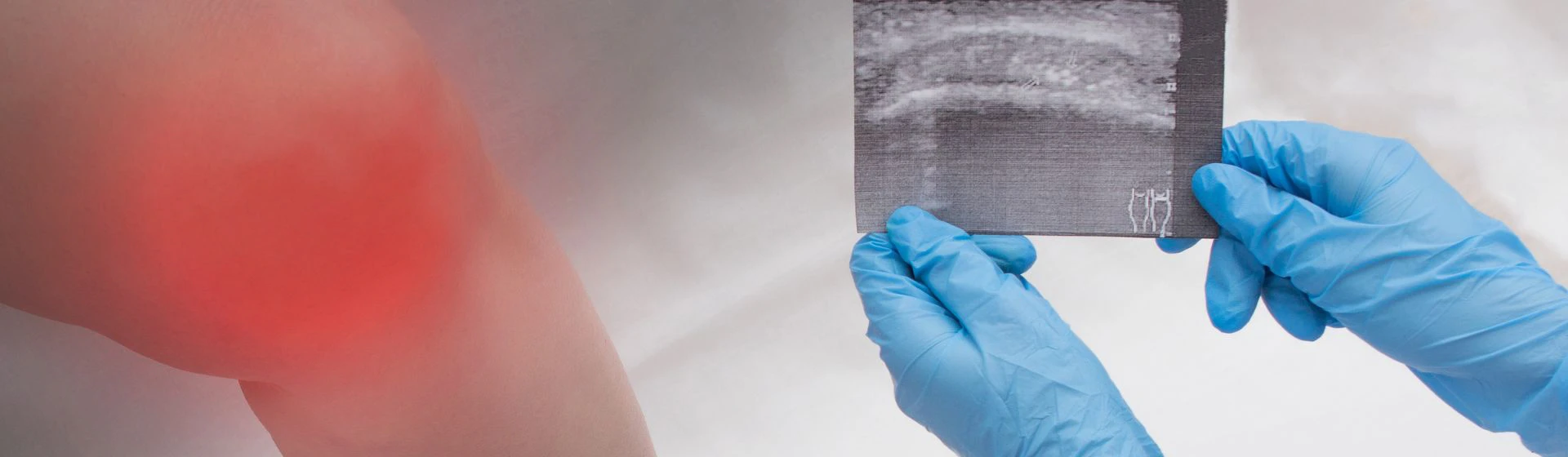
A 24-hour emergency room with X-ray facilities is located at 1 M. Hryshka Street.
We accept patients 24/7, including during curfew hours. If necessary, call an ambulance at 2044.
The Oxford Medical emergency room has a team of highly qualified specialists. Digital X-ray and other diagnostic equipment allows them to quickly assess the patient's condition and provide quality medical care.
No queues, comfortable conditions, and, most importantly, accurate diagnosis and prompt treatment — this is what you will receive when you visit the Oxford Medical trauma center.
Looking for a modern trauma center closest to your home? Come to 1 M. Hryshka Street or call our ambulance team at 2044.
An ambulance can take a patient to the emergency room for any injury
that requires medical care in a clinic.
If the injury is severe, it is better to contact professionals immediately.
You should seek medical care at an emergency room with an X-ray as soon as possible if:


in injuries with severe bleeding
open fracture or suspected fracture
dislocation or subluxation of a joint
suspected sprain or tear of ligaments and muscles
severe bruising or cut
burns or frostbite
insect or animal bite

If you did not go to the emergency room immediately after the injury, be sure to do so if you experience the following symptoms:
These symptoms may indicate damage to ligaments and tendons, dislocations, cracks and fractures of the bone.
In case of severe injury, it is important to provide first aid to the victim correctly.
Stopping bleeding
Immobilization for fractures and dislocations
Cooling for severe bruising
Transportation to the emergency room
The Oxford Medical trauma center has everything necessary to provide rapid medical assistance for a wide range of injuries. A traumatologist and a team of medical professionals assess the patient's condition, provide first aid, and administer treatment. Depending on the type of injury, they perform the following procedures:
Below are the main diagnostic methods used in the emergency room.
This is the main method of visualizing bones and joints. It allows you to quickly and accurately detect fractures, cracks, dislocations and other damage to bone tissue and joints.
A fast, safe and painless diagnostic method that allows you to visualize and assess the condition of soft tissues, joints, ligaments and muscles. Helps diagnose sprains, ruptures of ligaments and tendons, as well as hematomas and inflammatory processes.
The main stages of receiving patients in the emergency room:
Upon arrival at the emergency room, the adult patient or their companion must inform the medical staff about the nature of the injury, as well as provide information about the presence of chronic diseases, medications being taken, drug allergies, etc.
The traumatologist conducts an initial examination, assesses the patient's general condition, and collects a medical history. You must tell the doctor how the injury occurred, how long ago it occurred, and how first aid was provided.
If necessary, the patient may be prescribed an ultrasound or X-ray. The Oxford Medical Trauma Center is equipped with new equipment that allows for a quick, highly accurate examination.
Based on the examination and diagnostic results, the traumatologist determines the method of treatment. Depending on the type of injury, surgical treatment, wound suturing, dislocation reduction, bone fragment reduction, and application of a fixation bandage or plaster may be performed. The traumatologist may also prescribe medications to relieve pain and inflammation and prevent infectious complications. If necessary, repeat visits are scheduled for dressings and condition monitoring.
The specifics of rehabilitation depend on the type of injury and the method of treatment. In each case, the doctor gives the patient detailed recommendations to make recovery as easy and quick as possible.
In particular, regular replacement of sterile dressings, immobilization of the limb with a fixation bandage or plaster cast, medication, etc. may be recommended.
To monitor the condition of the wound and overall well-being, you should come for regular follow-up examinations. Taking into account the characteristics of healing, the doctor may adjust the prescription.
Looking for a 24-hour emergency room? Kyiv is a large city with many emergency rooms. But if you need a modern emergency room near the Poznyaki metro station, contact Oxford Medical. We have X-ray equipment and other equipment at our emergency room, which allows us to quickly diagnose and provide quality medical care at any time of the day.
The cost of treatment at the emergency room depends on the complexity of the injury that the patient has. The price is also influenced by the need for diagnostic tests and surgical procedures. We adhere to a policy of fair pricing and strive to make quality medical care accessible to as many patients as possible. You can find out about prices here or by contacting the clinic administrators, but only a traumatologist will be able to give you the most accurate information on this issue after conducting an examination.
In case of injury, you can get to the emergency room even without an appointment. The Oxford Medical emergency room (Poznyaki) is open 24 hours a day at 1 M. Hryshka St. The patient can come on their own or call an ambulance.
The trauma center is located at 1 M. Hryshka St., near the Poznyaki metro station. It is located in the building of the new Oxford Medical Medical Center. If you are searching the Internet for “trauma center Kyiv 24 hours a day”, do not waste time and come to our clinic as soon as possible. We work 24/7 and accept patients with injuries even at night.
Patients from any district of Kyiv or the region can receive assistance at the Oxford Medical trauma center, regardless of their place of residence and the availability of documents. Our clinic is well equipped, so patients do not need to take anything with them. The exception is personal belongings. If you have chronic diseases, you can take medical reports and medications that you regularly take. In case of a serious injury and the need for hospitalization, you must also have a passport.
In the trauma center, X-rays are one of the main methods for diagnosing fractures. They allow you to visualize bone tissue and determine whether there is damage and whether a cast is needed. The price of an X-ray in the trauma center depends on the area being examined. It is lower if the image is taken in only one projection, and higher if it is taken in 2 and 3 projections.


Patient reception 24/7, including curfew hours
Own ambulance service, which can be called at 2044
Availability of digital X-ray for accurate diagnosis
Possibility of hospitalization in a surgical hospital

 4.9
4.9  17+
17+ 
 17+ Years of experience
  Kyiv, Mykhayla Hryshka St., 1
 4.88 5+ 5+ Years of experience Kyiv, Mykhayla Hryshka St., 1 5 27+ 27+ Years of experience 4.95 33+ 33+ Years of experience Kyiv, Mykhayla Hryshka St., 1
 in the clinic
  online
  Hello!


