


skin rashes of various nature
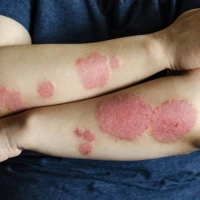
A chronic autoimmune disease characterized by the appearance of red, inflamed plaques on the skin, covered with silvery scales.

 Adults Adults Adults Adults Adults Adults Adults Adults Adults
  Children Children Children Children


 Hotline:
 Adults Adults Adults Adults Adults Adults Adults Adults Adults Children Children Children Children
A dermatologist is a doctor who specializes in the diagnosis, treatment and prevention of skin, hair and nail diseases. Including helping patients maintain skin health, preventing possible problems in the future.
The skin is the largest organ of the human body. It performs protective, thermoregulatory and immune functions. Its condition is directly related to the overall health of the whole organism.
Dermatological diseases can have various causes: infections, allergic reactions, hormonal disorders, genetic factors or pathologies of internal organs. Timely appeal to a qualified dermatologist allows you to identify and eliminate the problem in the early stages and prevent complications.
The Oxford Medical Medical Center in Osokorki employs highly qualified dermatologists who provide a full range of services from primary diagnostics to the treatment of complex skin diseases and the removal of moles and other neoplasms.
Skin health is the key to your comfort and confidence. Do not postpone a visit to a dermatologist at the first symptoms. The Oxford Medical Center in Osokorki is ready to provide you with qualified assistance and support on the path to healthy and beautiful skin.
Entrust the health of your skin to the professionals of the Oxford Medical Center in Osokorki.
Sign up for a consultation now - take a step towards restoring the health and beauty of your skin!

The symptoms listed below may indicate the presence of dermatological diseases
which require professional diagnosis and treatment.
It is necessary to consult a dermatologist if the following symptoms appear:


skin rashes of various nature
redness or discoloration of the skin
itching, burning, or tingling
cracks, ulcers, or erosions
the appearance of new or changes in existing moles, warts, papillomas
hair loss or changes in nail structure

Dermatologists at Oxford Medical in Osokorki successfully diagnose and treat a wide range of skin diseases, including:
A chronic autoimmune disease characterized by the appearance of red, inflamed plaques on the skin, covered with silvery scales.
Skin conditions that manifest as oily, yellowish or white scaly patches, often on areas with increased sebaceous gland activity, such as the scalp, face, and upper torso.
An inflammatory skin disease characterized by redness, itching, dryness, and scaling, often caused by allergic reactions or irritants.
A chronic inflammatory skin disease, usually developing in early childhood, characterized by intense itching, dryness, and eczematous rashes.
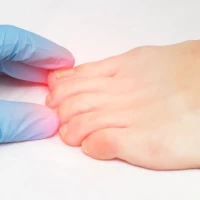
Diseases caused by pathogenic fungi that affect the skin and nails, causing itching, peeling, and changes in the color and structure of the affected areas.
A skin disease caused by the Demodex mite, manifested by inflammation, redness, and rashes on the face.
A chronic facial skin disease characterized by redness, dilated blood vessels, rashes, and swelling.
A group of skin diseases caused by increased sensitivity to sunlight, manifested by rashes, itching, and redness.
An inflammatory disease of the sebaceous glands, manifested by the formation of comedones, papules, pustules, and sometimes cysts on the skin of the face, back, and chest.
A disease in which there is a loss of melanin pigment in certain areas of the skin, leading to the appearance of white spots of various sizes and shapes.
A group of skin diseases characterized by the appearance of itchy rashes, spots, or nodules on the skin caused by various pathogens.
Infectious diseases caused by viruses that manifest as the formation of blisters, warts, or nodules on the skin and mucous membranes.
Our specialists remove skin neoplasms (papillomas, warts, moles) using modern techniques, such as cryodestruction, laser and radio wave destruction.
A pathological condition that leads to partial or complete hair loss on the head or other areas of the body, caused by various factors, including genetic, autoimmune, and stress.
A dermatologist consultation in Osokorki includes:
The doctor asks the patient in detail about the complaints, duration and nature of the symptoms, possible allergens, hereditary factors, and other important aspects.
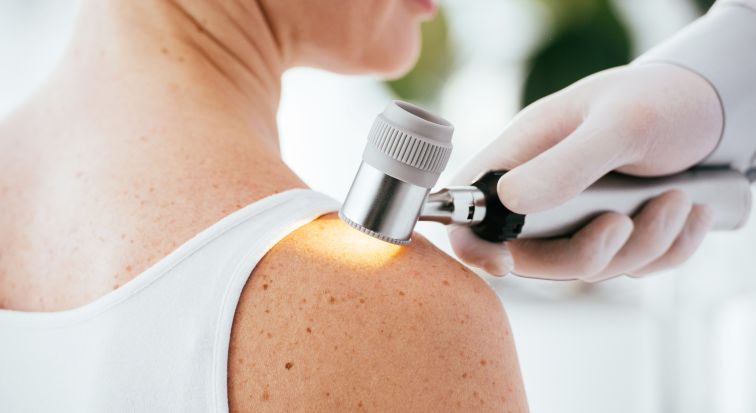
Visual examination of affected areas of skin, hair, and nails to determine the nature of the changes.
Laboratory tests, dermatoscopy, skin biopsy, or other diagnostic procedures are ordered as needed.
During the next visit, based on the collected data, the doctor makes a diagnosis and determines the optimal treatment strategy.
A dermatologist develops an individualized treatment plan, which may include medication, physical therapy, skin care recommendations, and more.
The Oxford Medical Center in Osokorki uses modern diagnostic methods:
The dermatologist on Srebnokilskaya determines which examinations are necessary for the patient individually, taking into account the existing symptoms and medical history.
Treatment of skin diseases depends on the specific diagnosis, severity of the disease and individual characteristics of the patient. The patient may be recommended:
1. Drug therapy:
2. Physiotherapy methods:
3. Removal of neoplasms:
The patient may also be given recommendations on nutrition, avoiding allergens, stress factors and following hygiene rules to prevent exacerbation of diseases.
It is important to note that self-medication can lead to complications. Therefore, if symptoms of skin diseases appear, you should contact a qualified dermatologist to establish an accurate diagnosis and prescribe appropriate treatment.
Our dermatologists on Sribnokilskaya apply an individual approach to each patient, which allows you to achieve high treatment efficiency and rapid restoration of skin health.


Qualified specialists: our dermatologists have many years of experience and regularly improve their qualifications at international conferences and seminars
Modern equipment: the clinic is equipped with the latest diagnostic and treatment devices
Comprehensive approach: cooperation between dermatologists and other specialists of the clinic ensures comprehensive examination and treatment of patients
Comfortable conditions: a cozy atmosphere, attentive staff and an individual approach to each patient create favorable conditions for treatment
Loyal prices: we adhere to a flexible pricing policy and strive to make quality treatment accessible to as many patients as possible
Convenient location: the clinic is located at: 20 Sribnokilska St., near the Osokorky and Poznyaki metro stations, which provides easy access both by public transport and by your own car. If you are looking for a dermatologist in Knyazhny Zaton, you can also make an appointment with us, because it is a neighboring street


 4.86
4.86  43+
43+ 

 in the clinic
  online
  Hello!


