


Allows you to assess the condition of the lungs, heart, and bone structures of the chest.
Sign up via call center 
 Adults Adults Adults Adults Adults Adults Adults Adults Adults
  Children Children Children Children
Department
Adults Outpatient department
Adults Outpatient department
Inpatient department
Adults Inpatient department
Aesthetic medicine
Adults Aesthetic medicine
Dentistry
Adults Dentistry
Plastic surgery
Adults Plastic surgery
Diagnostics
Adults Diagnostics
Analyzes
Adults Analyzes
Outbound services
Adults Outbound services
Children Outpatient department
Children Outpatient department
Dentistry
Children Dentistry
Diagnostics
Children Diagnostics

Kyiv


 Hotline:
 Request a call:


Department
Adults Outpatient department
Adults Outpatient department
Inpatient department
Adults Inpatient department
Aesthetic medicine
Adults Aesthetic medicine
Dentistry
Adults Dentistry
Plastic surgery
Adults Plastic surgery
Diagnostics
Adults Diagnostics
Analyzes
Adults Analyzes
Outbound services
Adults Outbound services
Children Outpatient department
Children Outpatient department
Dentistry
Children Dentistry
Diagnostics
Children Diagnostics
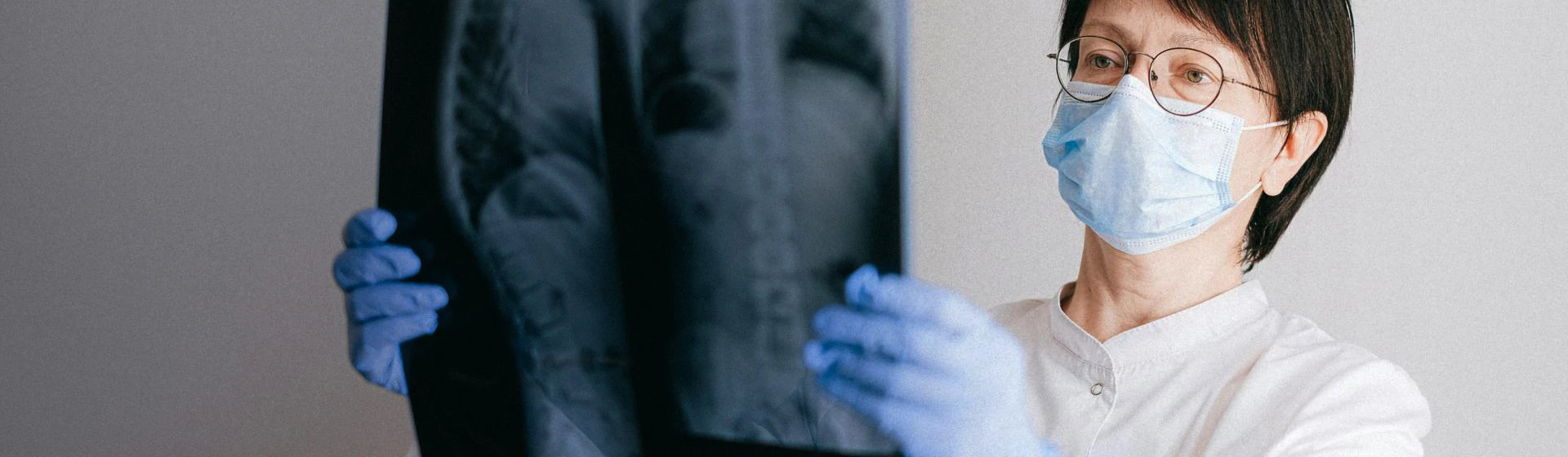
X-ray on Poznyaki
X-ray on Poznyaki in Kyiv
X-rays are one of the most common and effective diagnostic methods in modern medicine. They allow you to obtain detailed images of the internal structures of the body, which helps to quickly establish an accurate diagnosis and monitor the effectiveness of treatment.
At the Oxford Medical Medical Center in Poznyaki, X-rays are performed on a modern digital device Multix Select DR from the German corporation Siemens. It provides high quality images with minimal radiation exposure. The images are described by highly qualified specialists with many years of experience, so each patient can be sure of obtaining accurate results in the shortest possible time.
Choosing the Oxford Medical Medical Center for X-rays in Kyiv in Poznyaki, you can be sure of high accuracy of results and good service.
Trust your health to professionals! Do you need to have an X-ray in Poznyaki? Sign up for the modern Oxford Medical Medical Center.
We are waiting for you to perform an X-ray in Poznyaki at 1 Mykhaylo Hryshka St.
What types of X-rays are available in Poznyaki?
The Oxford Medical clinic in Poznyaki offers a wide range of X-ray examinations, including:
Chest X-ray
Skull X-ray
Used to detect injuries, developmental abnormalities, and other pathologies of the skull.
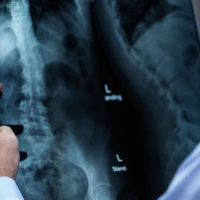
Spine X-ray
Examination of the cervical, thoracic, and lumbar spine for the diagnosis of osteochondrosis, scoliosis, and other diseases.
X-ray of joints
Examination of knee, elbow, shoulder, hip and other joints to detect arthritis, arthrosis, and injuries.
X-ray of the bones of the limbs
Allows you to diagnose fractures, cracks and other injuries to the bones of the arms and legs.
X-ray of the paranasal sinuses
It is used to diagnose sinusitis and other diseases of the nasal sinuses.
X-ray of the abdominal organs
Helps identify pathologies of the gastrointestinal tract and other abdominal organs.
When to do an X-ray in Poznyaki
X-ray examination is performed only by doctor's prescription.
It may be recommended in the following cases:
- Injuries: suspected fractures, dislocations or cracks in the bones after falls, blows, etc.
- Joint or bone pain: to detect inflammatory processes, degenerative changes or neoplasms.
- Breathing problems: suspected pneumonia, tuberculosis, lung tumors or other diseases of the chest organs.
- Headache, dizziness: to exclude pathologies of the skull or cervical spine.
- Preventive examinations: fluorography for early detection of lung diseases.
- Suspicion of diseases of the gastrointestinal tract: to assess the condition of the abdominal organs.
The doctor makes the decision on the need for an X-ray based on the clinical picture and patient history.
What disorders can be detected with an X-ray?
Radiography is an informative diagnostic method that allows you to detect:
- Fractures and cracks in bones: determining the location and degree of damage.
- Degenerative-dystrophic changes: osteochondrosis, arthrosis, spondylosis.
- Inflammatory processes: arthritis, osteomyelitis.
- Tumors: benign and malignant neoplasms of bones and soft tissues.
- Lung diseases: pneumonia, tuberculosis, neoplasms, emphysema.
- Pathologies of the nasal sinuses: sinusitis, polyps.
- Developmental anomalies: congenital defects of the bone system.
Thanks to the high resolution of modern digital X-ray machines, doctors can obtain detailed information about the state of the internal structures of the body, which helps to make an accurate diagnosis and prescribe effective treatment.
How is the X-ray procedure in Poznyaki?
In general, the procedure lasts from 10 minutes to half an hour, depending on the complexity of the examination and the number of images required.
The X-ray procedure is simple, quick and painless:
Preparation
The patient removes metal objects and clothing that may interfere with the examination.
Positioning
The patient is placed in front of the X-ray machine in the position required for the specific examination (standing, sitting, or lying down). The radiologist helps to assume the correct posture to obtain a clear image.
Protection
To minimize radiation exposure to the patient's body, special protective aprons or pads are used to cover areas of the body that are not to be examined.
Radiography
During the scan, the patient must remain still and, if necessary, hold their breath for a few seconds. This ensures that a clear and high-quality image is obtained.
Processing results
Modern digital X-ray machines allow you to instantly receive images on a computer screen. A radiologist analyzes the images and provides a conclusion on the presence of pathologies.
Services by district
Clinic in Bereznyaki
Clinic in Irpen
Clinic in Obolon
Clinic in Osokorki
Clinic in Pechersk
Clinic in Poznyaki
X-ray in Poznyaki
Clinic near the city "Palace of Ukraine"
Clinic on the Left Bank
Clinic on Zhytomyrska
Dentistry on Chornaya Hora
Show more 

Advantages of X-rays at the Oxford Medical clinic in Poznyaki

24-hour emergency room: the clinic has a 24-hour emergency room, where you can get an X-ray and get help from an orthopedic traumatologist at any time of the day.
Modern equipment: the use of the Multix Select DR digital X-ray system from the German corporation Siemens ensures high image quality and minimal radiation exposure to the patient
Qualified staff: experienced radiologists ensure professional procedure and accurate interpretation of results
Speed of service: thanks to digital technologies, examination results are available very quickly, which allows for timely diagnosis and initiation of treatment
Comprehensive approach: in addition to X-ray examinations, the clinic offers consultations with doctors of various specialties, laboratory tests and other diagnostic procedures, which allows you to receive a full range of medical services in one place
Loyal prices: We strive to make quality medical care accessible to as many patients as possible, so we adhere to a loyal pricing policy. The cost of an X-ray at the Oxford Medical clinic depends on the area of examination and the type of X-ray examination
Show more 
Reviews
Антон 25.08.2025
Велика подяка лікарю-кардіологу за професійний підхід. Прийом пройшов спокійно, без поспіху: усе пояснили доступно й відповіли на всі запитання. Обстеження та лікування підібрали індивідуально, і тепер мій стан значно покращився.

Валентина 25.08.2025
Залишилася дуже задоволена консультацією терапевта в. Лікар уважно вислухав, поставив багато уточнюючих запитань і чітко пояснив, які обстеження потрібно пройти. Завдяки детальним рекомендаціям я швидко почала лікування й відчула полегшення.
Current information

20 March 2026
What is the difference between X-ray and fluorography?
06 March 2026
What does an X-ray of the cervical spine show and how is it done
05 March 2026
How to prepare for an x-ray of the lumbosacral spine
05 March 2026
What an X-ray of the Thoracic Spine Shows and How It Is Done

Sign up
 in the clinic
  online

 Hello!
Let's take care
about your health:
Sign up via call center 
