Sign up via call center
Department
People turn to us

When Vaccination Is Recommended

As part of routine immunization — according to the national immunization schedule.

During epidemic seasons — for example, annually before the flu outbreak.

After injuries, bites, wounds — for tetanus prevention.

Based on individual doctor’s recommendations — in the presence of chronic illnesses.

All advice

Types of Vaccinations Offered at Oxford Medical

Routine Childhood Vaccination According to the Immunization Schedule

The clinic provides a full range of vaccinations for children in accordance with the official schedule. It includes vaccines against hepatitis B, tuberculosis, diphtheria, tetanus, pertussis, poliomyelitis, Haemophilus influenzae type b, measles, rubella, and mumps. Recommended vaccines are also available — against pneumococcal infection, rotavirus, and influenza. Each vaccination is preceded by a pediatrician's examination.

Influenza Vaccination

Seasonal vaccination administered annually. Recommended for all adults and children from 6 months of age. Immunity develops within 2 weeks and protects the body throughout the flu season.

Combined Vaccine: Diphtheria, Tetanus, Pertussis

This is a combination vaccine that provides immunity against all three infections. It is administered to children as per the schedule, and to adults every 10 years to maintain immune protection.

Poliomyelitis Vaccination

Recommended for all children and adults planning to travel to high-risk regions. Poliovirus can cause serious complications of the nervous system.

Human Papillomavirus (HPV) Vaccination

Recommended for girls and boys from age 9, as well as adults up to 45 years old. Protects against oncogenic HPV strains that can cause cervical dysplasia and cancer.

How to Prepare for Vaccination

Do You Need a Doctor’s Consultation Before Vaccination?

Yes, a doctor’s consultation is mandatory for children and recommended for adults. A pediatrician evaluates the child’s condition, checks the immunization schedule, and prescribes vaccination. Adults should consult a family physician or general practitioner, especially if they have chronic illnesses or have not been vaccinated for a long time.

Is It Necessary to Do Blood Tests Before Vaccination?

Usually, no tests are required. However, if the patient has chronic conditions or is unsure of their immunity to certain infections, the doctor may recommend an antibody test or a complete blood count to assess health status.

Can you get vaccinated while you have a cold?

Vaccination should only be performed on completely healthy individuals. At least 1–2 weeks without symptoms must pass after full recovery. This is essential for the correct development of an immune response and to avoid complications.

How Vaccination Is Conducted

Vaccination is a quick procedure that involves several consecutive steps aimed at ensuring patient safety and the effectiveness of the vaccine.

Doctor’s Consultation

Before vaccination, the patient is examined by a pediatrician (for children) or a family doctor (for adults). The doctor collects the patient’s history, assesses health status, checks for contraindications, and gives permission for vaccination.

Vaccination

A nurse administers the vaccine either intramuscularly or subcutaneously — depending on the specific vaccine. The injection is painless and takes only a few seconds. The patient is informed about possible reactions and follow-up steps.

Medical Observation

After vaccination, the patient remains in the clinic for at least 30 minutes. This ensures no allergic reactions or deterioration of well-being occur.

Advantages of Vaccination at Oxford Medical in Kyiv

Scheduled and urgent vaccination. Vaccines are available for both children and adults according to the schedule or as needed.

Safe certified vaccines. Only licensed vaccines from reliable manufacturers are used.

Comprehensive approach. The patient is examined by a doctor before vaccination; tests are prescribed if necessary.

Convenient appointment schedule. You can receive the vaccine on the day of your visit, without waiting in line.

Our doctors

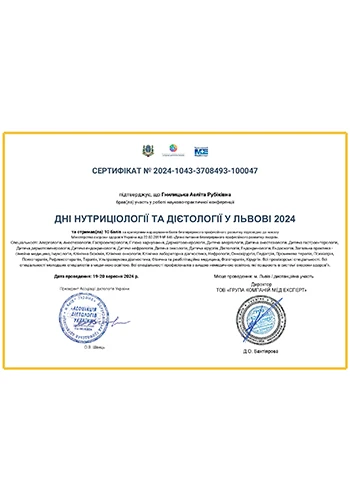
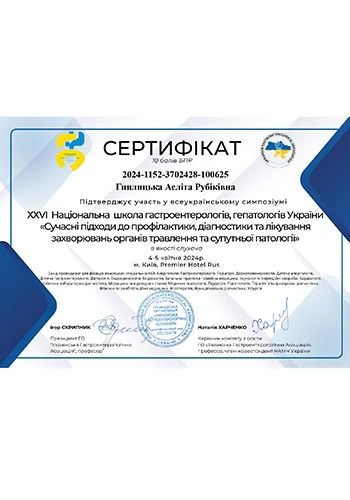
Hnylytska Aelita Rubikivna
4.94
rating (18)
8+
Years of experience
Online consultation
Gastroenterologist, family doctor of the II category
8+ Years of experience
Consultation 1100
m. Irpin vul. University, 2/1, building 3
Make an appointment
Barbaruk Marina Ivanovna - pediatrician at the private clinic Oxford Medical Kyiv
4.95
rating (21)
35+
Years of experience
Pediatrician of the highest category
35+ Years of experience
Consultation 1100
Kyiv, Mykhayla Hryshka St., 1
Kyiv, Sribnokilska St. 20
Make an appointment
Deeva Marina Vyacheslavovna
4.89
rating (19)
30+
Years of experience
Online consultation
Pediatrician of the highest category
30+ Years of experience
Consultation 1100
Kyiv, Predslavynska St. 29
Kyiv, Vasyl Lypkivskoho St., 38
Make an appointment
Sarana Olga Volodymyrivna
4.89
rating (9)
15+
Years of experience
Online consultation
Therapist
15+ Years of experience
Consultation 1100
m. Irpin vul. University, 2/1, building 3
Make an appointment
All doctors
Reviews
Андрій 11.07.2025
Вакцинували доньку у «Оксфорд Медікал». Дуже вдячні лікарям та медсестрі — дитину заспокоїли, усе пояснили й зробили укол майже непомітно. Дуже важливо, що дотримуються всіх правил безпеки. Почувалися впевнено та спокійно!
Star Star Star Star Star
Світлана 11.07.2025
Робила вакцинацію в «Оксфорд Медікал» — все сподобалося! Швидко, безболісно, персонал дуже уважний. Рекомендую цю клініку всім!
Star Star Star Star Star
Current information
All Articles

Why should adults get vaccinated?

Every modern person comes into contact with a large number of people during a typical day, some of whom may be carriers of infections that threaten our health. The more people we come into contact with, the higher the risk of infection.

Therefore, vaccination is recommended for people whose work involves contact with large numbers of people: healthcare workers, bank employees, supermarket and pharmacy staff, teachers, lecturers, and kindergarten teachers.

Some vaccinations are given on an emergency basis. For example, in the case of wounds, it is highly desirable to be vaccinated against tetanus, a dangerous disease with a mortality rate of over 50% even with modern methods of treatment. The tetanus vaccination provides temporary immunity that is active for only a few years, so people at high risk of injury need to be vaccinated regularly.

Vaccination against papillomavirus protects against the most dangerous oncogenic strains of HPV, which contribute to the development of cervical dysplasia (precancerous condition) and cervical cancer.

Immunity against many infections is only temporary — periodic vaccination allows the body to repeatedly build up protection against dangerous pathogens. The duration of immunity varies for each infection, with the shortest being for the influenza virus (due to its high susceptibility to mutation and the constant emergence of new strains) — vaccination is required annually.

You can learn more about vaccination for adults at the Oxford Medical clinic in Kyiv by calling us, writing to us in the chat, or using the feedback form on the website.

Vaccines for adults at Oxford Medical Can you get vaccinated while you have a cold?

Doctors in family medicine and pediatrics vaccinate both adults and children. Adult patients can be vaccinated at the clinic against the following diseases:

  • influenza (the most popular seasonal vaccine);
  • hepatitis B;
  • pertussis;
  • diphtheria;
  • tetanus;
  • polio;
  • papillomavirus (HPV).

Each of these diseases can be prevented with timely vaccination.

Q&A

Is Vaccination Safe for Children and Adults?

Yes, all vaccines used at Oxford Medical undergo strict quality and safety control. If side effects occur, they are usually mild and short-lived. The risk of complications from the infection itself is much higher than from the vaccine. Vaccination is a reliable way to protect your health.

Why Is It Important to Vaccinate Children at an Early Age?

In early childhood, the body is especially vulnerable to infections. Some illnesses, such as pertussis or poliomyelitis, are particularly severe in infants. Vaccination helps to develop immunity before exposure to the pathogen and significantly reduces the risk of complications.

How Long Does Immunity Last After Vaccination?

The duration depends on the type of vaccine: for instance, flu shots last up to one year, while hepatitis B vaccines may provide protection for 10 years or more. Some vaccines require booster shots after a few years.

What Are the Contraindications for Vaccination?

Absolute contraindications include a severe allergic reaction to a previous vaccine dose, acute illness with fever, or flare-up of chronic conditions. In other cases, vaccination is possible after consulting a doctor.

( Rating: 4.8 , Votes: 90 )
Sign up
in the clinic
online
This site is protected by reCAPTCHA technology, and the Google Privacy Policy and Terms of Service apply.
Hello!
Let's take care
about your health:
Sign up via call center

We use cookies and other technologies to remember your preferences and find out exactly how you use and interact with the site.

By using our site, you also agree to the terms of the "User Agreement" and "Regulation on the processing and protection of personal data". By clicking "I AGREE", you consent to the processing of your data.