Rectal cancer is one of the most common oncological diseases. At an early stage, it develops without symptoms. Patients’ well-being usually worsens when the tumor grows into the intestinal wall, blocks its lumen, or gives metastases to other organs.
At the first stage, rectal cancer responds well to treatment, but it can only be diagnosed at this moment if the patient undergoes regular preventive examinations. Men and women over 40 are recommended to visit a proctologist once a year.
Factors that cause the development of rectal cancer
The main causes of the development of intestinal cancer are considered to be:
-
hereditary predisposition;
-
intestinal polyps, adenoma, ulcerative colitis, Crohn’s disease;
-
predominance in the diet of red meat, fatty, smoked foods, fast food, etc., with a deficiency of fresh vegetables and fruits;
-
alcohol abuse;
-
smoking;
-
obesity;
-
diabetes mellitus;
-
age over 40 years.
Signs of rectal cancer
Symptoms of malignant rectal disease can be divided into three groups:
-
primary – caused by the presence of a malignant neoplasm (bloody and mucous discharges from the rectum);
-
secondary – caused by tumor growth, leading to intestinal dysfunction;
-
general – arising as a result of the overall impact on the human body.
First of all, with rectal cancer, a patient may periodically develop blood and mucus admixtures in the stool. Abdominal bloating, constipation, intestinal colic, etc. are also possible. Many people do not pay much attention to this and do not go to the doctor, which leads to late diagnosis of the disease.
Consultation with a proctologist is mandatory if you are concerned about:
-
constipation and diarrhea (especially if they alternate);
-
change in stool color;
-
admixtures of blood, mucus in the stool;
-
frequent urges to defecate without the ability to empty the intestines;
-
feeling of fullness of the intestine;
-
abdominal bloating;
-
abdominal pain;
-
sudden weight change;
-
increased fatigue;
-
prolonged low-grade fever.
Stages of rectal cancer and prognosis
Depending on the size of the tumor, the depth of its growth into the intestinal wall, lymph node involvement, and the presence of metastases in other organs, 4 stages of rectal cancer are distinguished:
-
Stage I – the diameter of the neoplasm is less than 2 cm, it grows into the mucous and submucosal layers of the intestine without going beyond it, no metastases;
-
Stage II – the tumor increases, grows into all layers of the intestinal wall;
-
Stage III – metastases spread to nearby lymph nodes;
-
Stage IV – large neoplasm and metastases in distant lymph nodes and other parts of the body.
The tactics and effectiveness of treatment depend on the stage at which the disease was diagnosed. At stage 1, more than 90% of patients fully recover or achieve stable remission. At stage 2, 5-year survival is from 63 to 87%, at stage 3 – from 69 to 53%, and at stage 4 – less than 10–20%.
Diagnosis of rectal cancer
If a rectal tumor is suspected, a proctologist may prescribe for diagnosis:
-
digital examination – allows detecting hemorrhoidal nodes, anal fissures, polyps, and tumors at a distance of 10 cm;
-
anoscopy – visual examination carried out by the doctor during consultation;
-
transrectal ultrasound of the rectum;
-
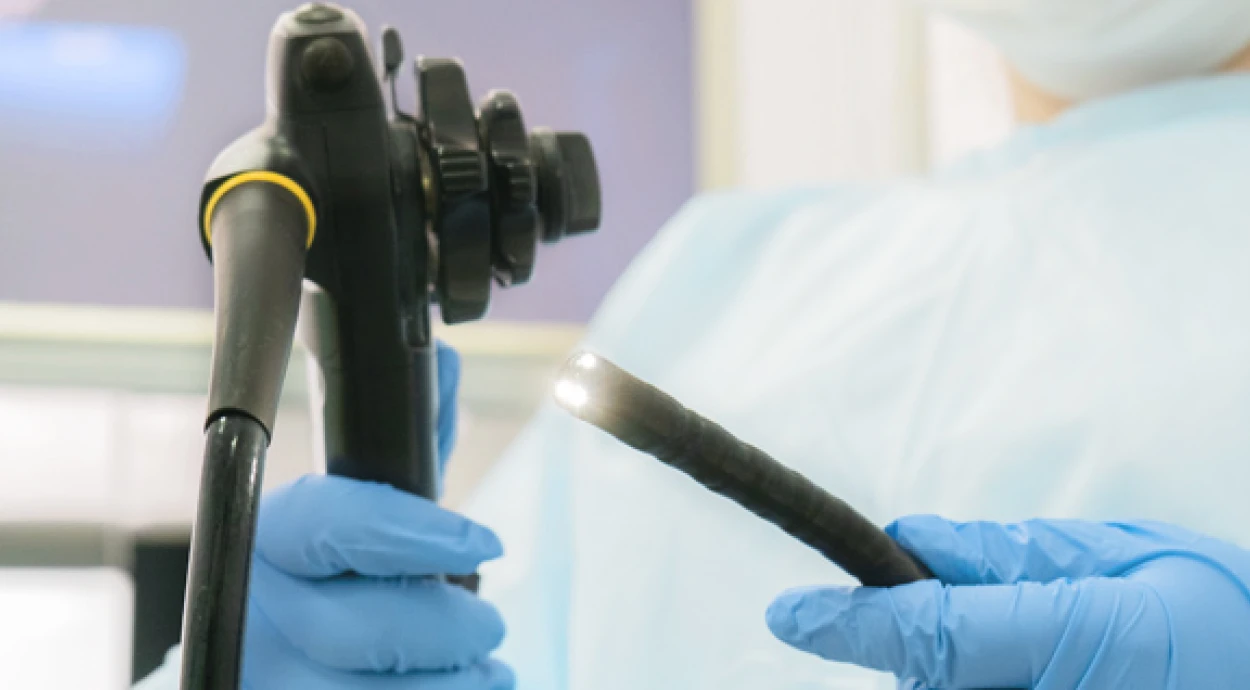
colonoscopy – endoscopic examination of the rectum;
-
rectosigmoidoscopy – endoscopic examination of the rectum and distal sigmoid colon using a rectosigmoidoscope;
-
irrigoscopy – X-ray of the intestines with the introduction of a contrast agent;
-
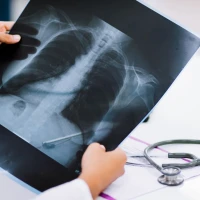
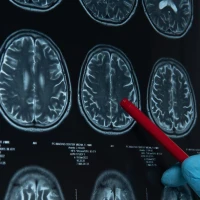
X-ray or computed tomography (CT) of the abdominal cavity and retroperitoneal space;
-
biopsy with histological analysis – tissue sample collection (performed during endoscopic examination) and its analysis to determine the type of neoplasm;
-
immunohistochemical analysis – carried out if the malignant nature of the tumor is confirmed to determine its characteristics;
-
general blood and urine tests;
-
stool tests for hidden blood;
-
blood tests for tumor markers, etc.
The doctor develops the diagnostic program taking into account the patient’s symptoms and medical history.
When visiting a doctor for preventive purposes, usually only anoscopy and colonoscopy once every 5 years are performed. This makes it possible to detect a tumor at an early stage when the effectiveness of treatment is very high.
Treatment of rectal cancer
When developing a treatment program, specialists take into account the size of the tumor, lymph node involvement, and the presence of metastases. Sometimes at early stages only surgery to remove the tumor is performed, but more often complex therapy is required, which may include:
-
tumor removal;
-
radiation therapy;
-
chemotherapy;
-
targeted therapy;
-
immunotherapy;
-
drug therapy to relieve cancer symptoms and side effects of treatment.
At stages 1 and 2 of rectal cancer, surgery is usually performed first. Sometimes it is possible to completely remove the tumor and no additional treatment is needed. If there is a risk that malignant cells remain in the body, the patient may be prescribed chemotherapy or other treatment.
At stage 3, if the tumor cannot be removed immediately, a course of radiation and chemotherapy may first be prescribed. They make it possible to reduce the size of the neoplasm. After its removal, repeat treatment courses are also possible.
At stage 4, which is characterized by the presence of distant metastases, the treatment program is always developed individually.
As for surgical treatment, for rectal cancer the following are performed:
-
endoscopic resection – minimally traumatic organ-preserving surgery, during which the tumor is removed with special equipment through the rectum;
-
intra-abdominal rectal resection – the part of the organ affected by the tumor is removed, and the upper and lower ends are sutured together;
-
abdominoperineal resection – the entire rectum is removed, “replacing” it with the colon, which is lowered and sutured to the anus;
-
Hartmann’s operation – if suturing the ends of the rectum is impossible, the lower end is sutured, and the upper end is brought out to the abdominal cavity as a colostomy (an external opening for the removal of feces into a special bag);
-
rectal extirpation – the rectum and anus are removed, a colostomy is formed.
Prevention of rectal cancer
To reduce the risk of developing rectal cancer and disease recurrence, specialists recommend:
-
timely treatment of all gastrointestinal diseases;
-
balanced diet and eating more fresh vegetables and fruits, limiting the amount of high-calorie fast-digesting food;
-
weight control;
-
exercising;
-
giving up smoking and alcohol consumption.
Advantages of diagnosis and treatment of rectal cancer at Oxford Medical
At Oxford Medical, high-tech diagnostic and oncology departments operate. The clinic has installed new expert-class equipment that makes it possible to diagnose tumors as small as 1 mm. Thanks to this, with regular preventive examinations, the disease can be detected at an early stage.
Treatment of cancer at Oxford Medical is carried out by highly qualified oncologists and surgeons with many years of experience. The clinic has created all the conditions for surgical treatment, as well as chemotherapy, immunotherapy, and targeted therapy.
To book an examination or doctor’s consultation, call our contact center or leave an application on the website.