Cardiovascular diseases remain one of the main causes of deteriorating well-being and reduced work capacity in adulthood. They often develop gradually and for a long time may be masked by fatigue or the consequences of stress. One of the most common conditions is coronary heart disease (CHD).
This disease is associated with impaired blood supply to the heart muscle and requires careful attention to health. With timely diagnosis and properly selected therapy, its course can be controlled, the risk of complications reduced, and a привычный ритм жизни maintained. Below, we will consider how ischemia develops, what manifestations it has, and which modern treatment approaches are used today.
What Is Coronary Heart Disease
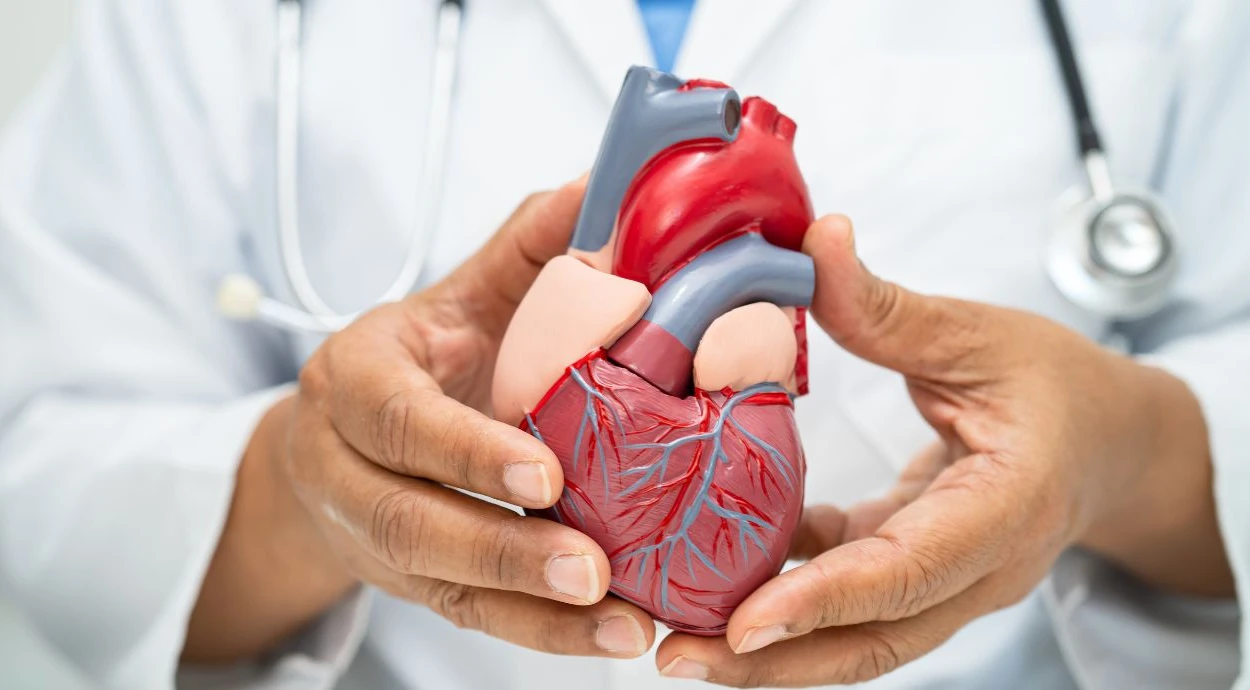
Coronary heart disease is a chronic impairment of blood supply to the myocardium in which the heart muscle receives less oxygen than it requires for proper functioning.
A key role in the development of the disease is played by the coronary arteries. They are responsible for delivering blood to the myocardium. If their lumen decreases due to atherosclerotic deposits, a thrombus, or persistent spasm, the volume of blood reaching the tissues is reduced. As a result, oxygen starvation of cells occurs.
In the early stages, oxygen deficiency may manifest only during physical exertion, when the heart’s demand for blood increases. Over time, as vascular narrowing progresses, symptoms appear even at rest. If blood flow suddenly stops completely, an acute condition develops — myocardial infarction.
It is important to understand that this is not a single disorder but a process that develops gradually. Most often it is associated with atherosclerosis — the accumulation of cholesterol in the walls of arteries. The gradual narrowing of the vascular lumen may remain unnoticed for a long time, which is why regular preventive examinations are important.
How Coronary Heart Disease Manifests
Symptoms depend on the degree of vascular narrowing and the duration of impaired blood flow. In the early stages, they may occur only during physical activity or emotional stress. As the disease progresses, symptoms appear more frequently and may disturb even at rest.
The most characteristic signs of CHD include:
-
pressing, burning, or squeezing pain behind the sternum;
-
a feeling of heaviness or discomfort in the center of the chest;
-
pain radiating to the left shoulder, arm, neck, lower jaw, or between the shoulder blades;
-
shortness of breath during usual exertion;
-
rapid or irregular heartbeat;
-
quick fatigue and reduced tolerance to physical activity;
-
dizziness or brief weakness.
Most often, the pain lasts 5–15 minutes and decreases after stopping exertion. This pattern is typical of stable angina. If the pain becomes more intense, prolonged, or occurs without an obvious cause, it may indicate an unstable course and requires immediate medical evaluation.
In some patients, especially those with diabetes mellitus, the course may be atypical: instead of pain, shortness of breath, a feeling of lack of air, or sudden weakness may predominate. Therefore, any new or unclear cardiac symptoms are a reason to consult a doctor.
Is Coronary Heart Disease Treatable
Coronary heart disease is chronic in nature because it is associated with structural changes in the vascular wall. Atherosclerotic plaques that narrow the arterial lumen do not disappear on their own.
At the same time, modern medicine makes it possible to effectively control the course of the disease. The goal of treatment is not only to reduce symptoms but also to stabilize the condition, prevent thrombosis, and lower the risk of myocardial infarction.
With timely medical care and adherence to recommendations, it is possible to:
-
reduce the frequency and intensity of attacks;
-
improve tolerance to physical exertion;
-
normalize blood pressure and cholesterol levels;
-
slow the progression of atherosclerosis.
In cases of significant vascular narrowing, invasive methods of restoring blood flow are used. This helps improve oxygen supply to the myocardium and reduce the risk of acute complications.
How to Treat Coronary Heart Disease
Treatment tactics are determined after a complete examination and assessment of the degree of vascular damage. First, the doctor analyzes ECG results, laboratory indicators, as well as cardiac ultrasound, which makes it possible to assess myocardial contractility, valve condition, and possible structural changes. This helps determine how pronounced the blood supply disorder is and which methods will be most effective.
Drug Therapy
The basis of treatment for most patients is medication therapy. It is aimed at reducing the workload on the heart, stabilizing atherosclerotic changes, and preventing thrombosis.
Commonly used medications include:
-
antiplatelet agents — to reduce the risk of blood clots;
-
statins — to control cholesterol levels and stabilize plaques;
-
beta-blockers — to reduce heart rate and myocardial oxygen demand;
-
drugs for blood pressure control;
-
nitrates or other agents to relieve angina attacks.
The treatment regimen is selected individually. It is important to take medications regularly, even if well-being improves, since interruptions may increase the risk of complications.
Surgical Restoration of Blood Flow
If vascular narrowing is significant or symptoms persist despite medication therapy, the doctor may recommend surgery. Its purpose is to restore arterial patency and improve myocardial blood supply.
The most commonly used procedures are:
-
angioplasty with stenting — widening of the narrowed vessel segment and placement of a stent;
-
coronary artery bypass grafting — creation of an alternative pathway for blood flow bypassing the affected artery.
Such interventions are performed in specialized surgical hospitals where continuous monitoring of the patient’s condition and the possibility of intensive care are ensured if necessary. After surgery, treatment does not stop — the patient continues taking medications and undergoes regular follow-up.
Long-Term Control: Lifestyle and Dietary Modification
Treatment does not replace daily efforts to eliminate risk factors. Lifestyle changes are what help slow the progression of atherosclerosis and reduce the risk of recurrent complications.
Diet plays a special role in coronary heart disease. It is aimed at normalizing cholesterol levels, controlling body weight, and stabilizing blood pressure. It is recommended to:
-
limit saturated fats and trans fats;
-
reduce salt intake;
-
give preference to fish, lean meat, and legumes;
-
increase the proportion of vegetables, fruits, and whole grains;
-
control portion sizes.
In addition to diet, important measures include:
-
regular moderate physical activity as recommended by a doctor;
-
smoking cessation;
-
body weight control;
-
adequate sleep and reduction of chronic stress.
A comprehensive approach — combining medications, invasive treatment when necessary, and lifestyle modification — makes it possible to significantly reduce symptoms and maintain a stable condition over a long period.
What Should Not Be Done in Coronary Heart Disease
With an established diagnosis, it is important not only to undergo treatment but also to avoid actions that may worsen the course of the disease. Even seemingly minor violations of recommendations can increase the workload on the heart and raise the risk of complications.
It is not recommended to:
-
independently stop or change prescribed medications;
-
engage in intense physical activity without consulting a doctor;
-
continue smoking, even in a “reduced” amount;
-
abuse alcohol;
-
consume excessive amounts of salt and fatty foods;
-
systematically lack sleep or remain in a state of chronic stress;
-
postpone scheduled examinations and follow-up consultations.
Self-medication or using drugs “on the advice of acquaintances” is especially dangerous. Medications that affect blood pressure or heart rhythm must be selected individually, taking into account the patient’s condition.
Coronary heart disease requires a systematic approach. Adherence to recommendations and attentive monitoring of one’s well-being make it possible to reduce the risk of complications and maintain a stable condition over a long period.
How Long Can You Live with Coronary Heart Disease
Life expectancy with this diagnosis does not have clear limits, as the prognosis depends on the severity of vascular narrowing, the presence of complications, and how well risk factors are controlled. In many patients, coronary heart disease can remain stable for years if treatment is properly selected.
It is important that treatment be aimed not only at symptom relief but also at the prevention of myocardial infarction and other complications. If the patient takes prescribed medications, controls blood pressure, adjusts diet, maintains a safe level of physical activity, and undergoes recommended examinations, the prognosis is usually significantly better.
Early medical consultation also plays a separate role. When the diagnosis is established before complications develop and there is an opportunity to influence the course of the disease in a timely manner, maintaining activity and work capacity is realistic for a long time.
The information in the article is provided for informational purposes only and is not a guide to self-diagnosis and treatment. If you experience symptoms of the disease, you should consult a doctor.
Sources: