Contents
- Symptoms of Pediculosis
- Causes of Pediculosis
- Diagnosis of Pediculosis
- Treatment of Pediculosis
- Prevention of Pediculosis
Pediculosis is an infestation of the scalp and hair with lice. Every year it occurs in millions of school-aged children. The disease causes persistent itching and severe discomfort, but with a small colony size it does not pose a threat to health. Lice do not transmit infections, and the risk of complications arises only from scratching the skin at the bite sites.
It is possible to get rid of lice both at home and by consulting a specialist.
Symptoms of Pediculosis
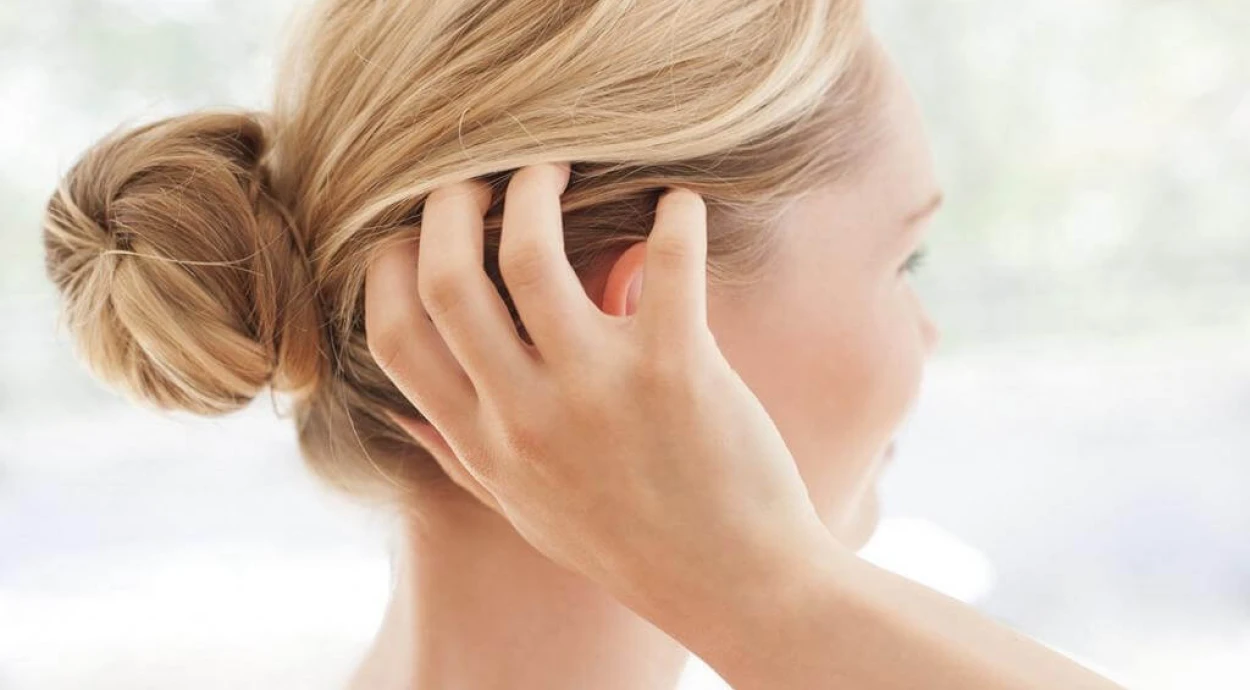
The main symptom of pediculosis is severe itching. Since lice feed on blood, they leave numerous small bites on the skin. Itching occurs as a result of an allergic reaction of the body to the substances released by the insects during a bite. Since initially there are few of them, itching may not appear in the first 4–6 weeks after infestation. Its intensity also depends on the individual sensitivity of the person.
In addition, with pediculosis, small red spots can be noticed on the skin after bites. Other symptoms are secondary – they appear due to scratching of the wounds, the discomfort felt by the patient, and the activity of lice.
Pediculosis can be suspected by the following signs:
-
presence of lice or their eggs on the scalp and hair;
-
severe itching that spreads throughout the head, ears, and neck;
-
red bite marks on the head, neck, shoulders;
-
small ulcers (appear when bites are scratched);
-
allergic rash on the face and body;
-
tangled, brittle, and dry hair;
-
increased irritability, sleep disturbances.
Causes of Pediculosis
Pediculosis most often occurs in children aged 3 to 15 years. Infestation happens through direct contact with an infected person, usually when heads or hair touch. Since lice can only crawl but cannot jump, it is impossible to get infected at a distance.
Lice can also be transmitted when using another person’s belongings, such as:
-
hat, scarf;
-
comb;
-
hair accessories;
-
headphones;
-
pillow;
-
towel, etc.
In addition, the risk of infestation exists if you sit or lie on a sofa or chair where an infected person has just rested.
Diagnosis of Pediculosis
To diagnose pediculosis, a thorough examination of the scalp and hair is required. This can be done by slightly moistening the hair (for example, with conditioner) and combing it with a fine comb. It is necessary to separate small strands and carefully examine the roots of the hair. The diagnosis is confirmed if there are live lice or their eggs and nymphs. If no insects can be found, the entire surface of the head should be examined.
To confirm infestation with lice precisely, it is advisable to consult a specialist. Not knowing all the features of pediculosis, patients often confuse it with dandruff and dermatological diseases. It is especially important to consult a dermatologist if there are skin lesions (rash, ulcers, etc.).
Treatment of Pediculosis
For the treatment of pediculosis, antiparasitic external agents are used. They are applied to the scalp and hair and left for the time indicated in the instructions. The active substances affect the nervous system of lice and paralyze them. As a result, adult individuals die quite quickly. Eggs and nymphs are less susceptible to these agents, so it is recommended to repeat the treatment after a few days.
After applying the product, to remove lice, the hair must be carefully combed out. To do this, divide the hair into several sections, make a parting, and clean each strand from top to bottom. It should be taken into account that lice are very small and can be easily overlooked, so no area should be skipped, even if it seems clean. It is also worth knowing that lice eggs and nymphs, due to the adhesive substance secreted by the female, stick tightly to the roots of the hair and glue them together. They may be located at a distance of up to 5 mm from the scalp.
In some cases, one treatment is enough to eliminate all parasites, but more often the procedure must be repeated 2 or more times. One to two days after the first treatment, the head should be carefully examined, and if live lice are found, it should be repeated; if not, then in 2 weeks. This is the time it takes for lice eggs to develop, passing through the nymph stage and becoming adult insects.
Before treatment, it is recommended to visit a dermatologist. The doctor will select the medication and explain how to carry out the procedure correctly.
In addition, it is recommended to wash at high temperatures all items used by the infected person in recent times. If this is not possible, they should be sent to dry cleaning or placed in a sealed plastic bag for 2–3 weeks – during this time lice will die.
It is also necessary to examine all family members and other people with whom the infected person has been in contact. They may also need treatment.
Prevention of Pediculosis
In most cases, lice spread through close contact between people, for example, when children sit at the same desk or play together. The risk of infestation through clothing or household items is much lower, since insects die outside the human body within 1–2 days, and larvae – within 10 days.
To reduce the risk of infestation, it is recommended to:
-
avoid close contact with people when heads or hair are very close;
-
not allow others to wear your clothes and, accordingly, not wear someone else’s;
-
not use other people’s combs, hairpins, or hair clips;
-
not sit on sofas, chairs, etc. where an infected person has recently sat;
-
wash clothing and other items used by the patient at very high temperatures and iron them with a hot iron;
-
vacuum the floor and furniture in the infected person’s home.
Sources
American Academy of Dermatology Association
US National Library of Medicine
Mayo Clinic