Contents:
- What is shortness of breath
- Why shortness of breath occurs
- Causes of shortness of breath when walking
- Can shortness of breath be caused by nerves
- Other factors in the occurrence of shortness of breath
- How to relieve an attack of shortness of breath
- How to get rid of shortness of breath at home
- How to treat shortness of breath: when to see a doctor
- What to do so that there is no shortness of breath
The feeling of lack of air or difficulty breathing can arise in different situations. Sometimes it appears after physical exertion, fast walking, or anxiety. In such cases, breathing usually recovers quickly. However, if such a symptom recurs or appears without an obvious cause, it is important to find out why it is hard to breathe.
Shortness of breath may be associated with different conditions of the body — from overwork or stress to diseases of the heart, lungs, or other organs. That is why it is important to pay attention to the circumstances in which difficult breathing appears, as well as to accompanying symptoms.
In this article, we will consider the causes of shortness of breath, possible factors of its appearance, and explain what to do when it is hard to breathe.
What is shortness of breath
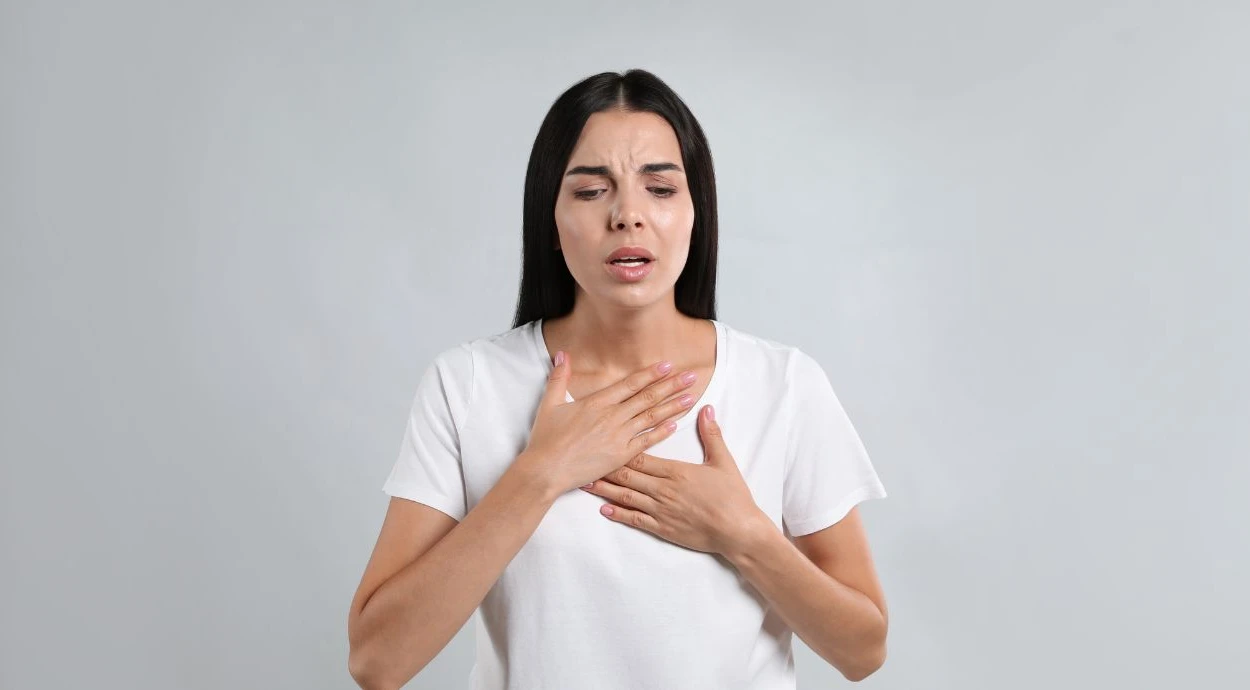
Shortness of breath is a condition in which it becomes hard for a person to breathe, there is not enough air. At the same time, the rhythm and depth of breathing change: it may become more frequent, shallow, or require more effort. Some people also feel that it is hard to take a full breath.
Such a symptom occurs when the body does not receive enough oxygen or when the respiratory system works with increased load. In response, a compensation mechanism is activated: breathing becomes more frequent, and the movements of the chest become more intense in order to provide the tissues with the necessary amount of oxygen.
Doctors distinguish several types of shortness of breath depending on which phase of breathing is difficult:
- Inspiratory shortness of breath — it is difficult for a person to inhale. This type may occur with narrowing of the airways or some heart diseases.
- Expiratory shortness of breath — exhalation becomes difficult. Most often it is associated with diseases of the bronchi and lungs.
- Mixed shortness of breath — both inhalation and exhalation are impaired. This type may be observed in different diseases or with a significant load on the body.
It is important to understand that shortness of breath is not a separate disease. It is a symptom that may indicate different changes in the functioning of the body, so when it appears, it is important to determine the cause.
Why shortness of breath occurs
Shortness of breath can appear for various reasons. Most often, it occurs when the body needs more oxygen or when the functioning of the systems that ensure its delivery to the tissues is disrupted. That is why the causes of shortness of breath in a person may be related to the work of the lungs, heart, blood vessels, or to the general condition of the body.
Sometimes difficult breathing appears only during physical exertion, and in other cases it may occur even at rest. Of great importance is under what circumstances shortness of breath appears — while walking, in a state of anxiety, or in a lying position.
Causes of shortness of breath when walking
Many people notice difficult breathing during physical activity — for example, during fast walking or climbing stairs. Within moderate limits, such a reaction may be normal, because during exertion the body needs more oxygen.
However, if shortness of breath appears even during ordinary walking, this may indicate certain disorders. Among the possible causes are:
- low physical endurance;
- excess body weight;
- anemia;
- heart diseases;
- lung diseases.
For example, with a disease such as bronchial asthma, the airways may narrow. Because of this, even slight physical exertion sometimes causes a feeling of lack of air.
Can shortness of breath be caused by nerves
In some people, difficult breathing occurs against the background of strong волнения, anxiety, or stress. In such situations, the rhythm of breathing changes — it becomes faster and more shallow.
During anxious states or panic attacks, there may be a feeling that it is hard to take a full breath. A person tries to take a deep breath, but the breathing seems insufficient.
Although such a condition is often associated specifically with nervous tension, similar symptoms may resemble manifestations of other diseases. Therefore, in the case of frequent episodes of shortness of breath, it is worth undergoing an examination.
Other factors in the occurrence of shortness of breath
Sometimes difficult breathing appears not only during physical exertion. For example, some people notice that it is hard to breathe in a lying position or during nighttime rest.
Such a symptom may be associated with heart diseases. Patients are often interested in what shortness of breath is like in heart failure. Usually, it intensifies during physical exertion, as well as in a horizontal position, that is, it is harder for a person to breathe while lying down. In some cases, breathing becomes easier if one sits down or raises the upper part of the body.
In addition, shortness of breath may occur with:
- chronic lung diseases;
- metabolic disorders;
- infectious diseases;
- significant overload of the body.
The exact causes of shortness of breath can be established only after an examination, since this symptom may be a manifestation of different conditions of the body. If difficult breathing occurs often, intensifies, or is accompanied by other symptoms, it is important to consult a doctor for diagnosis.
How to relieve an attack of shortness of breath
.jpg)
If difficult breathing occurs suddenly, it is important first to calm down and reduce physical exertion. Panic or anxiety can further intensify the feeling of lack of air.
To alleviate the condition during an attack of shortness of breath, several simple actions can be performed:
- Take a comfortable position. Most often, it is easier to breathe while sitting or half-sitting, leaning slightly forward and resting the hands on a table or knees.
- Ensure access to fresh air. It is worth opening a window or going out into the fresh air, if possible.
- Try to control breathing. Slow and even inhalations through the nose and calm exhalations through the mouth help stabilize the breathing rhythm.
- Loosen tight clothing. Unbutton the collar or remove clothing that compresses the chest.
If a person knows that shortness of breath is associated with a certain disease and the doctor has prescribed treatment, the recommended medications or inhalers should be used.
In a situation where difficult breathing quickly intensifies, is accompanied by chest pain, dizziness, or loss of consciousness, it is necessary to seek medical help immediately.
How to get rid of shortness of breath at home
If shortness of breath occurs periodically and is not associated with an acute condition, it is important to find out its cause. It is on this that how to get rid of shortness of breath and prevent its recurrence depends.
In everyday life, such recommendations may help ease breathing and reduce the frequency of episodes of shortness of breath:
- Gradual increase in physical activity. Regular moderate exercise helps improve the functioning of the heart and lungs.
- Weight control. Excess body weight creates an additional load on the respiratory and cardiovascular system.
- Quitting smoking. Tobacco smoke irritates the airways and may worsen lung function.
- Control of chronic diseases. In the presence of diseases of the heart, lungs, or endocrine system, it is important to follow the doctor’s recommendations.
- Ventilating the room. Fresh air and normal humidity in the room contribute to more comfortable breathing.
At the same time, it is important to understand that home measures do not replace medical care. If difficult breathing occurs often, intensifies, or is accompanied by other symptoms, it is necessary to consult a doctor for examination and selection of treatment.
How to treat shortness of breath: when to see a doctor
Treatment of shortness of breath depends on the cause of its occurrence. Since difficult breathing is a symptom, it is necessary to determine the disease or condition that causes it and select appropriate therapy.
In some cases, shortness of breath may occur episodically, for example after significant physical exertion or severe stress. However, if difficult breathing appears without an obvious cause, intensifies, or begins to occur even at rest, this may indicate health problems. In such situations, a consultation with a general practitioner is necessary.
It is worth consulting a specialist if:
- shortness of breath occurs often or gradually intensifies;
- difficult breathing appears even with slight exertion;
- pain or discomfort in the chest occurs;
- dizziness, weakness, or rapid heartbeat appears;
- shortness of breath is accompanied by coughing or wheezing.
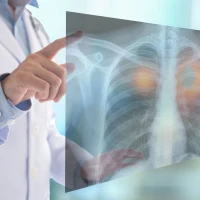
The doctor will conduct an examination, after which additional tests may be recommended. Usually, an assessment of the functioning of the heart and lungs, blood tests, electrocardiography, radiography, or other studies that help establish the cause of the breathing disorder are carried out.
After the examination and tests, the doctor determines further tactics: if necessary, the patient may be referred to a cardiologist, pulmonologist, or another specialist.
Timely consultation with a doctor makes it possible to identify the cause of shortness of breath at an early stage and select treatment that will help improve well-being and prevent the development of complications.
What to do so that there is no shortness of breath
To reduce the risk of shortness of breath, it is important to maintain the normal functioning of the heart, lungs, and respiratory system. In many cases, difficult breathing occurs gradually — due to low physical activity, excessive load on the cardiovascular system, or chronic diseases. That is why prevention of shortness of breath is primarily associated with maintaining the overall health of the body.
The main preventive recommendations include:
- regular moderate physical activity, which helps improve the endurance of the body and the functioning of the heart and lungs;
- maintaining a healthy body weight, since excess weight increases the load on the respiratory and cardiovascular system;
- quitting smoking and avoiding tobacco smoke, which irritates the airways and may worsen lung function;
- timely treatment of diseases of the respiratory system, in particular chronic bronchitis and other inflammatory processes;
- monitoring the condition of the cardiovascular system, including regular blood pressure checks and preventive examinations;
- maintaining clean and fresh air in the room, regular ventilation, and reducing exposure to dust and polluted air.
Following these recommendations helps reduce the load on the respiratory system and maintain normal breathing. If, however, difficult breathing appears regularly or gradually intensifies, it is important to consult a doctor to find out the cause of such a condition.
The information in the article is provided for ознакомления and is not a guide to self-diagnosis and treatment. If symptoms of the disease appear, you should consult a doctor.
Sources: