Headache is one of the most common symptoms people face in everyday life. It can be periodic or chronic, mild or unbearable, but in any case, it creates discomfort and disrupts the normal rhythm of life. Most often, a headache is not dangerous, but in some cases, it may indicate serious diseases that require medical attention.
To effectively fight headaches, it is important to understand their causes, types, treatment methods, and prevention. In this article, we will review all these aspects and help you find the best way to cope with headaches.
Main Causes of Headaches in Adults
Headaches can occur due to many factors, including:
-
Fatigue and stress – tension in the head and neck muscles leads to vessel compression, causing severe headaches.
-
Circulatory disorders – problems with blood pressure or brain vessels can lead to chronic pain.
-
Cervical osteochondrosis – causes impaired blood flow to the brain, which provokes pain.
-
Lack of sleep or oversleeping – sleep disturbances negatively affect the nervous system.
-
Weather changes – weather-sensitive people often feel headaches during changes in atmospheric pressure.
-
Hormonal fluctuations – especially in women during menstruation, pregnancy, or menopause.
-
Dietary factors – some products (red wine, chocolate, smoked meats) can trigger pain attacks.
-
Dehydration – lack of fluids makes circulation more difficult and can cause headaches.
-
Infectious diseases – flu, ARVI, sinusitis, or meningitis can be accompanied by severe headaches.
Types of Headaches: Classification
Headaches differ in nature, intensity, and cause. It is important to identify them correctly to choose the best treatment method.
Tension Headache or Primary Headache
This is the most common type of headache, felt as pressure or squeezing in the temples and forehead. Pain in the occiput also belongs to this type. It occurs due to tension in the head and neck muscles, often after long computer work, stress, or fatigue.
Migraine
Migraine is a neurological disorder accompanied by intense throbbing pain, often on one side of the head. It can last from a few hours to several days and is accompanied by nausea, photophobia, and increased sensitivity to sounds.
Cluster Headache
This rare but very intense type of headache is characterized by short but unbearable attacks of pain in one part of the head, most often around the eye. It may be accompanied by tearing, eyelid swelling, and nasal congestion.
Headache from High or Low Blood Pressure
High blood pressure can cause headaches due to excessive stress on the brain vessels. With hypotension (low pressure), the pain is often accompanied by dizziness and weakness.
Headache Associated with ENT Diseases
Infectious processes in the nasal sinuses (sinusitis, frontal sinusitis) or middle ear can cause throbbing pain, which worsens when bending the head.
Migraine: Causes and Symptoms
Migraine is a neurological disease and can be caused by:
-
Hereditary predisposition – if there are people with migraines in the family, the risk is higher.
-
Hormonal fluctuations – women often suffer from migraines due to estrogen levels.
-
Lack of or excess sleep – sleep disturbances can trigger an attack.
-
Certain foods – red wine, caffeine, chocolate, smoked foods can cause migraine.
Main symptoms of migraine:
-
Severe, throbbing pain, often on one side of the head.
-
Nausea, vomiting.
-
Photophobia, sensitivity to noise.
-
In some cases – aura (attack precursors: flashing before the eyes, numbness of limbs).
How to Relieve Pain in Migraine and Other Types of Headache
To relieve headaches, you can use different methods:
-
Medication – in migraines, a doctor may prescribe specific drugs that reduce brain vessel dilation. Analgesics or non-steroidal anti-inflammatory drugs may help with regular headaches.
-
Relaxation techniques – yoga, meditation, deep breathing help relieve muscle and emotional tension.
-
Massage – light massage of the temples, occiput, or cervical-collar zone improves circulation and relieves spasms.
-
Compresses – a cold compress on the forehead or a warm one on the neck can help reduce pain.
-
Proper rest – it is necessary to rest in a quiet dark room, avoiding bright light and loud noises.
Frequent Headaches in Children: Possible Causes
In children, headaches can also be quite common. The main causes:
-
School fatigue, anxiety, stress – children often experience emotional overload.
-
Sleep disorders – lack of sleep or oversleeping affects the nervous system.
-
Vision problems – if a child strains their eyes, for example, due to poor eyesight or long gadget use, this can cause headaches.
-
Hunger or dehydration – children may forget to drink enough water or skip meals.
-
Infectious diseases – ARVI, flu, angina may be accompanied by headaches.
If a child has frequent headaches, it is worth consulting a doctor to determine the cause.
What to Do to Prevent Headaches
Headache prevention includes:
-
Following a daily routine – adequate sleep (at least 7–8 hours a day) helps prevent headaches.
-
Balanced diet – avoid foods that can provoke pain, and drink enough water.
-
Physical activity – moderate exercise improves circulation and reduces muscle tension.
-
Stress avoidance – it is important to learn how to manage emotions and use relaxation techniques.
-
Regular preventive check-ups – if headaches occur frequently, you should see a doctor for diagnosis and appropriate treatment.
When Should You Seek Immediate Medical Attention?
Although most cases of headaches are not dangerous, there are situations when urgent medical intervention is necessary. Seek medical help immediately if:
-
The headache appeared suddenly and has extremely high intensity.
-
Pain is accompanied by nausea, vomiting, loss of consciousness, or impaired coordination.
-
Speech problems, numbness of limbs, or facial asymmetry appear (possible signs of stroke).
-
The headache is accompanied by high fever and stiffness of the neck muscles (possible signs of meningitis).
-
The headache becomes chronic, worsens, or changes in nature.
Diagnosis of Headache
Headache can be a symptom of many conditions – from fatigue to serious neurological diseases. If pain occurs frequently, has an unusual nature, or is accompanied by other alarming symptoms, you should consult a family doctor or neurologist to determine the exact cause.
Diagnosis may include:
-
Blood tests – can detect inflammatory processes or deficiencies of essential elements.
-
Doppler ultrasound of the head and neck vessels – assesses blood flow in brain vessels.
-
Ophthalmoscopy – checking the fundus and determining intracranial pressure.
-
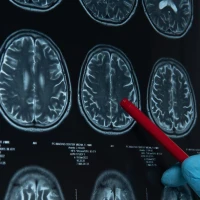
MRI or CT of the brain – these methods help rule out serious pathologies such as tumors or hemorrhages.
Headache can have different causes, and it is important to pay attention to its nature and accompanying symptoms in time. If pain becomes regular, worsens, or is accompanied by other alarming signs, you should see a doctor. Specialists of the Oxford Medical Center will help find the cause of headaches and offer effective treatment.
Frequently Asked Questions
What can cause frequent headaches in a child?
Frequent headaches can have different causes. They may be caused by fatigue, stress, lack of sleep, dehydration, hunger, or prolonged screen time. They may also result from vision problems, ENT diseases (sinusitis, otitis), posture disorders, or neurological conditions. If headaches recur, it is worth consulting a doctor.
What are effective ways to deal with chronic tension headaches?
To reduce pain, it is important to normalize the daily routine, reduce stress, take breaks during computer work, engage in physical activity, and control posture. Massage, relaxation techniques (yoga, meditation), and adequate hydration are helpful. With frequent attacks, consultation with a neurologist may be necessary.
What methods help prevent frequent migraines?
To prevent migraines, you should follow a sleep schedule, avoid stress, eat properly, and exclude trigger foods (red wine, chocolate, caffeine, etc.). It is important to maintain physical activity, avoid fatigue, and monitor hydration. If necessary, a doctor may prescribe preventive treatment.
Migraine: how to relieve pain?
To reduce migraine pain, eliminate triggers (bright light, loud sounds), rest in a dark quiet room, and drink enough water. Special medications prescribed by a doctor are effective. A cold compress on the forehead, light massage, relaxation techniques, or deep breathing may also help.