Article content
- Does the heart recover after a heart attack
- Life after a heart attack: basic rules
- Physical activity after a heart attack
- Diet after a heart attack: what not to eat
- What you can eat after a heart attack
- Can you drink coffee after a heart attack
- What happens if you do not follow recommendations after a heart attack
- How many heart attacks a person can survive and how this affects life expectancy
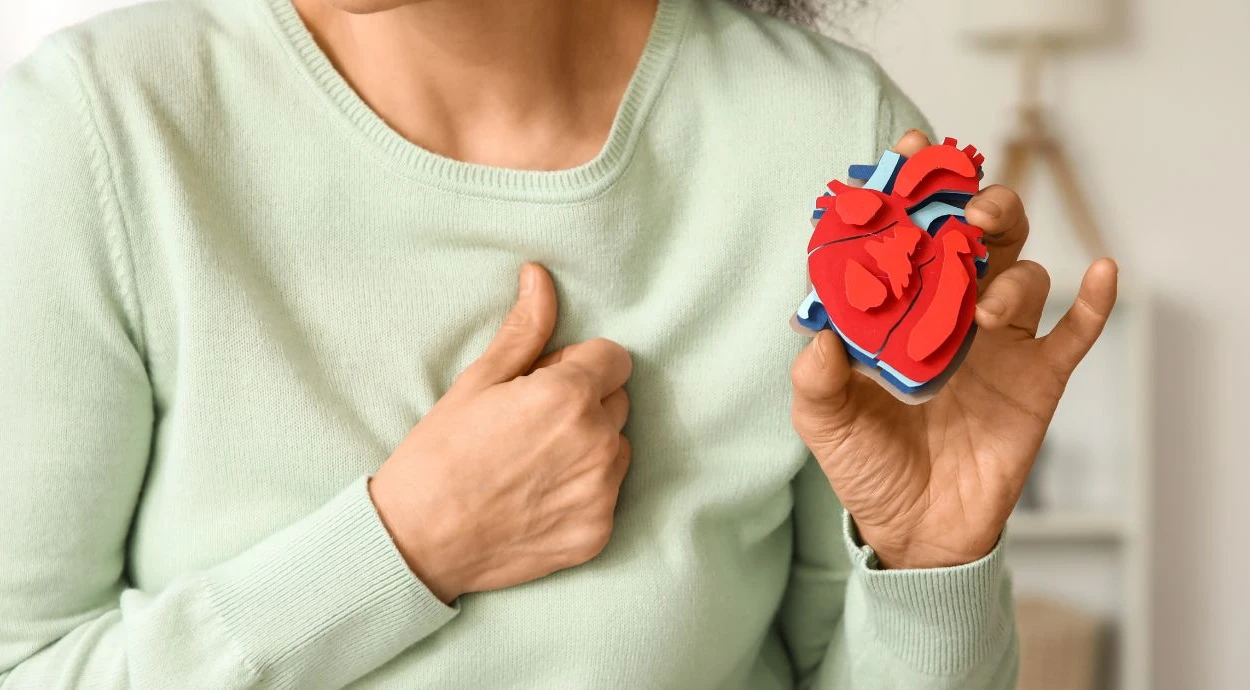
Myocardial infarction — is an acute disruption of blood supply to a part of the heart muscle, as a result of which some cells die due to oxygen deficiency. After stabilization of the condition and completion of the acute stage of treatment, an equally important period begins for the patient — recovery and lifestyle modification.
Many people are concerned about the question: what not to do after a heart attack, which restrictions are temporary and which — long-term, and how to reduce the risk of a recurrent attack. It is precisely proper behavior in the first months and further adherence to the cardiologist’s recommendations that determine the prognosis, the level of physical activity, and life expectancy.
In this article, we will consider whether the heart recovers after a heart attack, how the body changes after myocardial damage, and which rules help reduce the risk of complications. We will separately focus on physical activity, nutrition, coffee consumption, and other important issues.
Does the heart recover after a heart attack
After a heart attack, part of the heart muscle is damaged due to impaired blood supply. These cells no longer recover, and scar tissue forms in their place. Such an area no longer contracts as actively as healthy tissue. That is why it is impossible to fully return the heart to its previous condition.
However, this does not mean that the organ stops functioning properly. Healthy areas of the heart gradually take on additional workload. The body adapts to new conditions, and with a proper lifestyle, a person can live actively.
Of great importance is how quickly heart attack treatment was started. The earlier blood flow in the coronary artery is restored, the smaller the area of damage. The future endurance of the heart, the risk of developing heart failure, and a recurrent attack directly depend on this.
After discharge, the patient is recommended to have regular consultations with a cardiologist. During follow-up, blood pressure is monitored separately, cholesterol levels in the blood are periodically checked, and, if indicated, exercise tests are performed to assess endurance. Such step-by-step monitoring allows timely adjustment of therapy.
One of the basic examinations during such visits is an electrocardiogram of the heart. It allows assessment of rhythm, conduction, and detection of possible signs of recurrent ischemia.
Thus, although the heart does not fully recover, it is capable of adapting. It is the patient’s discipline, adherence to recommendations, and control of risk factors that determine how stable its function will be in the future.
Life after a heart attack: basic rules
After a heart attack, lifestyle changes. The main task — is to reduce the risk of a recurrent attack, prevent the development of heart failure, and maintain stable heart function. Most restrictions are not strict prohibitions for life, but they require awareness and consistency.
After a heart attack, you must not:
- independently cancel or change prescribed medications;
- abruptly return to the previous level of physical activity;
- ignore elevated blood pressure;
- continue smoking;
- abuse alcohol;
- neglect control of weight and cholesterol levels.
It is precisely the combination of medication therapy, controlled physical activity, and dietary adjustment after a heart attack that forms the basis of safe recovery.
Physical activity after a heart attack
Complete refusal of movement is just as harmful as excessive exertion. The heart needs dosed training, but without overload. In the first weeks after discharge, the loads should be minimal and gradually increased.
After a heart attack, you must not:
- lift heavy objects without a doctor’s permission;
- perform intensive strength exercises;
- train “through pain” or pronounced shortness of breath;
- sharply increase walking pace or duration of exercise.
Optimal options include walking at a moderate pace, light therapeutic exercises, and special cardiac rehabilitation programs. The guideline should be well-being and the pulse range recommended by the doctor.
Diet after a heart attack: what not to eat
A properly organized diet helps reduce cholesterol levels, stabilize blood pressure, and decrease the load on the heart.
You should limit or exclude:
- fatty meat and sausages;
- fried dishes;
- trans fats and fast food;
- excessive salt intake;
- sweets with high sugar content.
Regular adherence to the principles of a healthy diet is part of long-term prevention of a recurrent heart attack.
What you can eat after a heart attack
After a heart attack, nutrition should be regular, moderate in calories, and balanced in composition. The basis of the diet should consist of foods that maintain normal cholesterol levels, do not overload the heart, and help control body weight.
It is recommended to add to the daily menu:
- lean meat (chicken, turkey, rabbit);
- sea fish 2–3 times a week;
- porridge (buckwheat, oatmeal, bulgur);
- legumes in moderate amounts;
- vegetables — fresh, stewed, or baked;
- fermented dairy products with low fat content;
- vegetable oils (olive, flaxseed) as a source of healthy fats.
Patients often ask which fruits are beneficial after a heart attack. The diet should include apples, berries, citrus fruits, apricots, and pomegranate. They contain fiber, antioxidants, and potassium, which positively affect blood vessels and heart rhythm.
A separate question — is whether honey can be eaten after a heart attack. In the absence of diabetes mellitus, a small amount of natural honey is allowed as an alternative to sugar, but without excess.
Regarding whether garlic can be eaten after a heart attack, it is permitted in small amounts as part of the usual diet. Garlic may have a moderate effect on the lipid profile, however, it does not replace prescribed medications.
Patients are also interested in whether mushrooms can be eaten after a heart attack. Mushrooms are not prohibited if they are well tolerated, but it is better to boil or bake them rather than fry them.
In general, nutrition should be simple and regular. Overeating, long intervals between meals, and excess fatty or salty food create additional stress on the heart, so this should be avoided.
Can you drink coffee after a heart attack
In most cases, 1 small cup of weak coffee per day is allowed provided that blood pressure is stable and there are no rhythm disturbances. At the same time, strong coffee, energy drinks, and excessive caffeine consumption may increase blood pressure and provoke palpitations.
If discomfort, increased pulse, or elevated blood pressure occurs after drinking coffee, the beverage should be discontinued and this issue should be discussed with a doctor.
What happens if you do not follow recommendations after a heart attack
After a heart attack, the heart works under conditions of increased load. If prescribed therapy is ignored, blood pressure and cholesterol levels are not controlled, and lifestyle is not changed, the risk of complications increases significantly.
The most common consequences:
- recurrent heart attack;
- progression of coronary heart disease;
- development of chronic heart failure;
- dangerous rhythm disturbances;
- stroke;
- sudden cardiac death.
It is especially dangerous to independently stop taking medications, reduce the dosage, or “take breaks” when well-being improves. Most cardiological drugs act prophylactically — they prevent thrombosis, stabilize blood pressure, and reduce the risk of recurrent myocardial damage.
Another common mistake — is returning to old habits: smoking, excessive alcohol consumption, overeating, lack of physical activity. Such factors accelerate the progression of atherosclerosis and again create conditions for blockage of the coronary artery.
Failure to follow recommendations does not always produce immediate symptoms. Sometimes deterioration occurs gradually: shortness of breath appears, endurance decreases, swelling or heart rhythm irregularities occur. That is why even in the absence of pronounced complaints, it is necessary to continue treatment and regularly undergo follow-up examinations. Discipline after a heart attack — is a way to maintain stable heart function and avoid dangerous complications in the future.
How many heart attacks can a person survive and how this affects life expectancy
There is no “safe number” that the body can endure without consequences. Each heart attack — is a new area of damage to the heart muscle, which is replaced by scar tissue and reduces its contractile ability.
After the first one, the heart often retains sufficient reserve, especially if the area of damage was small and treatment was started in a timely manner. However, each subsequent episode worsens myocardial function, increases the risk of heart failure, severe arrhythmias, and sudden death.
Life expectancy is influenced by:
- the extent of heart muscle damage;
- the condition of the coronary arteries;
- the presence of comorbidities (hypertension, diabetes mellitus);
- regular intake of prescribed medications;
- lifestyle after a heart attack.
Two or more heart attacks significantly increase the risk of chronic heart failure. The heart gradually loses the ability to effectively pump blood, shortness of breath appears, endurance decreases, and swelling and rhythm disturbances are possible.
At the same time, modern cardiology allows many patients to live for decades after a heart attack. Provided that recommendations are followed, risk factors are controlled, and regular medical supervision is maintained, the prognosis may be favorable even after serious myocardial damage.
The information in this article is provided for informational purposes only and is not intended as a guide to self-diagnosis or treatment. If symptoms of the disease appear, consult a doctor.
Sources:
• US National Library of Medicine (MedlinePlus – Heart Attack Recovery)
• National Institutes of Health (NHLBI – Heart Attack Treatment and Recovery)
• PubMed (European Society of Cardiology Guidelines for Acute Myocardial Infarction)