Vesiculitis is a condition that men often learn about only at the stage of complications. The reason is that inflammation of the seminal vesicles often has a subtle or wave-like course, and the initial manifestations may be perceived as temporary discomfort. As a result, seeking medical care is postponed, and the pathological process gradually progresses.
Understanding the role of the seminal vesicles in the functioning of the genitourinary system makes it possible to better understand why even seemingly minor changes should not be ignored. In this article, we will consider how the disease develops, the principles of its treatment, and why timely therapy plays a key role in maintaining quality of life and preventing a prolonged course.
What Is Vesiculitis
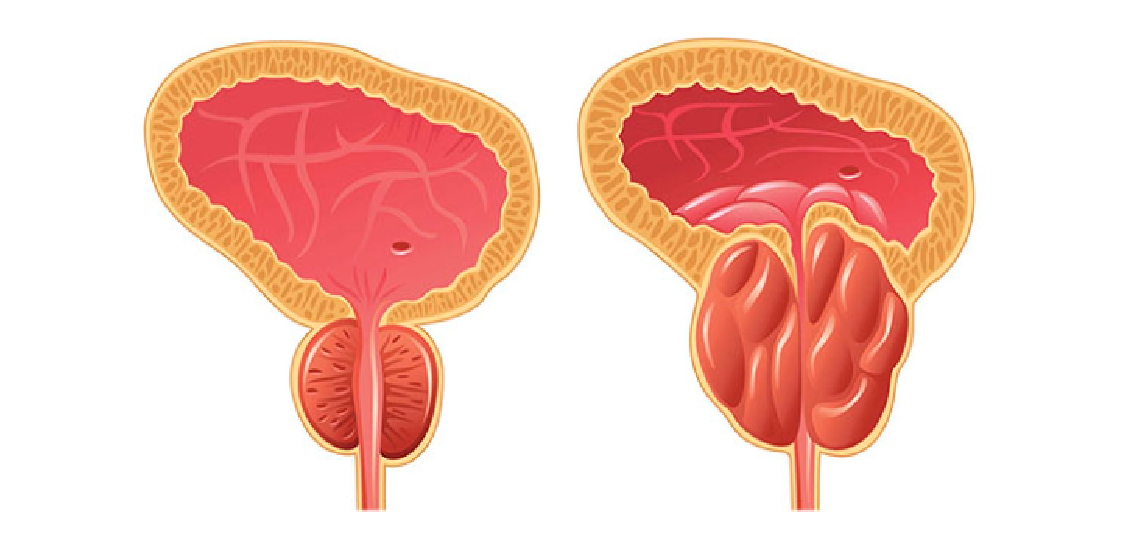
The seminal vesicles are paired organs of the male reproductive system located near the prostate and involved in the formation of seminal fluid. They produce a secretion that provides a nutrient medium for spermatozoa and affects their motility. Dysfunction of these structures affects not only the local condition of tissues but also the overall function of the genitourinary system.
Vesiculitis is an inflammatory process in the tissues of the seminal vesicles that most often develops as a complication of other urological diseases. Infection or chronic inflammation from adjacent organs may spread to the vesicles, causing swelling, impaired secretion outflow, and structural changes in the mucous membrane.
In the early stages of the disease, symptoms may be mild or occur intermittently. Most often, patients note:
-
discomfort or pain in the pelvic area;
-
painful sensations during ejaculation;
-
changes in the characteristics of seminal fluid;
-
a general feeling of heaviness in the perineum.
Such manifestations are not always perceived as signs of an inflammatory process, which complicates early diagnosis and contributes to the transition of the disease to a prolonged or chronic course.
Depending on the duration and characteristics of the course, acute and chronic forms of the disease are distinguished. Acute vesiculitis usually has more pronounced symptoms and responds better to treatment if medical care is sought in a timely manner. Chronic vesiculitis, on the other hand, is a form of the disease in which the inflammatory process persists for a long time or has a recurrent course with periods of temporary improvement.
It is the blurred manifestations and wave-like course of the chronic form that often lead to late diagnosis, complicating treatment and increasing the risk of functional disorders in the future.
How Vesiculitis Is Treated
Treatment of vesiculitis always begins with identifying the cause of the inflammatory process. This is a fundamental point, since the seminal vesicles are closely connected with other organs of the genitourinary system, and inflammation often has a secondary nature. Without understanding the source of the problem, effective therapy is impossible.
Diagnostic Evaluation Before Treatment
To confirm the diagnosis and choose the correct treatment strategy, the physician may prescribe a set of examinations, which usually includes:
-
laboratory blood and urine tests to assess the inflammatory process;
-
testing for sexually transmitted infections;
-
bacteriological cultures to identify the causative agent and its sensitivity to antibiotics;
-
ultrasound examination of the pelvic organs, in particular the seminal vesicles and the prostate.
Diagnostic results make it possible not only to confirm vesiculitis but also to assess the degree of inflammation, the presence of congestive changes, and associated urological disorders.
Main Treatment Methods
Treatment tactics are selected individually and depend on the form of the disease, the severity of symptoms, and the cause of inflammation. The physician may prescribe the following groups of medications:
-
Antibacterial drugs — used in cases of confirmed or suspected bacterial vesiculitis. They are selected based on test results, the pathogen, and its sensitivity to treatment. The course of antibiotics must be completed in full, even if symptoms decrease earlier.
-
Anti-inflammatory agents — used to reduce inflammatory activity, swelling of the seminal vesicle tissues, and associated discomfort. They help improve well-being and reduce pain intensity.
-
Analgesic and antispasmodic drugs — may be prescribed for painful sensations in the pelvic area or during ejaculation, as well as in the presence of pelvic floor muscle spasm.
-
Medications for urinary symptom correction — used if vesiculitis is accompanied by frequent urges, discomfort, or other urinary tract disturbances.
-
Agents for the treatment of concomitant urological diseases — in cases where vesiculitis is combined with prostatitis, urethritis, or other inflammatory processes, therapy is carried out comprehensively.
The specific list of medications, their dosages, and the duration of treatment are determined by the physician. Independent changes to the regimen or premature discontinuation of therapy increase the risk of a prolonged course and recurrent exacerbations.
In isolated cases, in the presence of a severe course of the disease or the development of purulent complications, conservative therapy may be insufficient. If a localized purulent focus is present, the physician may recommend incision and drainage of the abscess, which helps eliminate the source of infection and prevent the spread of the inflammatory process to adjacent tissues.
Features of Treatment in Chronic Disease
.jpg)
If the inflammatory process persists for a long time or has a recurrent nature, treatment requires not a short-term course but a staged and controlled approach. In such cases, therapy is aimed not only at reducing symptoms but also at stabilizing the condition and reducing the risk of recurrent exacerbations.
Key components of treatment in chronic disease include:
-
regular follow-up with a physician to assess the dynamics of the condition and adjust therapy if necessary;
-
course-based treatment during periods of exacerbation, taking into account previous results and the body’s response to therapy;
-
elimination of factors that поддерживают inflammatory process, including concomitant urological diseases and pelvic congestion;
-
preventive measures aimed at reducing the frequency of relapses and maintaining a stable condition.
During the stabilization period or to reduce pelvic congestion, physiotherapeutic methods may be used as part of comprehensive treatment. In particular, shock wave therapy may be applied to improve blood circulation, reduce the severity of chronic inflammation, and support tissue recovery processes. The appropriateness of this method is determined by the physician based on clinical dynamics.
This approach makes it possible to control the course of the disease, reduce symptom severity, and prevent further progression of the inflammatory process.
Why Untreated Vesiculitis Is Dangerous
Lack of timely treatment for vesiculitis leads to persistence and gradual progression of the inflammatory process. Even if symptoms periodically decrease or disappear, this does not indicate recovery, as pathological changes in the tissues of the seminal vesicles may continue without obvious clinical manifestations.
The most common consequence is the transition of the disease to a prolonged course with periodic exacerbations. Under such conditions, inflammation becomes less responsive to treatment, and each new episode may be accompanied by more pronounced functional disorders. A long-term inflammatory process also contributes to the formation of structural tissue changes, which complicates complete recovery.
Without treatment, vesiculitis may negatively affect reproductive function. Impaired composition and outflow of seminal vesicle secretion can alter the properties of seminal fluid, affecting sperm motility and overall fertility. In addition, persistent discomfort and pain may influence sexual life and the psychoemotional state of a man.
Another risk is the spread of the inflammatory process to neighboring organs of the genitourinary system. In the absence of treatment, the likelihood of involvement of the prostate and other structures increases, leading to complex urological problems and requiring longer treatment.
Thus, ignoring symptoms or delaying a visit to a physician increases the risk of complications and significantly complicates subsequent therapy. Timely diagnosis and treatment make it possible to avoid a prolonged course of the disease and preserve normal genitourinary function.
Sources: