Contents:
- What an X-ray of the Thoracic Spine Shows
- When to Get an X-ray of the Thoracic Spine
- How an X-ray of the Thoracic Spine Is Done
An X-ray of the thoracic spine is an examination that makes it possible to assess the condition of the bony structures of the middle part of the spine. The test is performed after injuries, in case of pain in the back or chest, as well as when postural disorders or limited mobility are suspected.
The procedure is performed quickly and usually does not require complex preparation. In this article, we will explain what exactly an X-ray can show and how the examination is carried out.
What an X-ray of the Thoracic Spine Shows
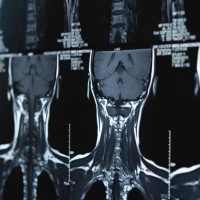
Radiography of the thoracic spine makes it possible to assess the anatomical structure of the vertebrae and identify structural changes in bone tissue. When analyzing the images, the doctor pays attention to the shape of the vertebrae, their height, position, and mutual alignment, which helps determine the presence of injuries or deformities.
The following may be detected on X-ray images:
- cracks, compression injuries, vertebral fractures;
- spinal curvature, in particular scoliosis and pathological kyphosis;
- displacement of the vertebrae relative to each other;
- bony overgrowths (osteophytes);
- signs of degenerative changes associated with osteochondrosis or age-related processes.
Since the thoracic region is anatomically connected to the ribs, other structures in this area may also fall within the field of view of the X-ray image. In some cases, a rib fracture as well as other traumatic injuries to adjacent bones may be seen on the image; however, in such cases additional examinations may be required.
When to Get an X-ray of the Thoracic Spine
Most often, the examination is recommended in the following cases:
- pain in the middle part of the back that worsens during movement or prolonged sitting;
- injuries to the back or sternum;
- suspected spinal curvature;
- limited mobility of the back;
- back pain after a fall or impact;
- monitoring the condition after injuries or during treatment.
The examination may also be ordered if pain in the upper back persists for a long time or is accompanied by other symptoms. The results of radiography help the doctor determine the further diagnostic or treatment strategy.
How an X-ray of the Thoracic Spine Is Done
Before the examination begins, the patient is asked to remove clothing down to the waist and take off all metal objects in the area being examined. Metal elements can create shadows on the images and affect image quality, so they must be removed before the procedure.
After preparation, the patient takes the required position near the X-ray unit or on a special table. Depending on the purpose of the examination, images may be taken in a standing or lying position. Most often, an X-ray of the thoracic spine is performed in frontal and lateral projections, which allows the doctor to assess the structure of the vertebrae and their alignment in more detail.
During image acquisition, it is important to remain still so that the image is clear. The X-ray exposure itself lasts only a few seconds. After that, the image is transferred to a computer for analysis.
The obtained images are evaluated by a radiologist. The test results may be provided to the patient in digital form or as printed X-ray images. To establish an accurate diagnosis, the results are interpreted by a doctor taking into account symptoms, examination findings, and other tests.
The information in this article is provided for informational purposes and is not a guide to self-diagnosis and treatment. If symptoms of disease appear, you should consult a doctor.
Sources: