

Sign up via call center
Department
Mechanical ventilation (MV)

Mechanical ventilation (MV)

Cost of services
Consultations
Consultation with an anesthesiologist
1200.00 ₴
Sign up by the call center

Artificial lung ventilation (ALV) is a method of supporting breathing with the help of a special device that delivers an air-oxygen mixture to the lungs and ensures the removal of carbon dioxide. Depending on the patient's condition, the device can support spontaneous breathing or fully provide lung ventilation. ALV is used in cases of severe respiratory failure, as well as during surgical operations under general anesthesia.

At the Oxford Medical medical center, modern artificial respiration devices are used, including equipment from the Swiss manufacturer Hamilton Medical. Different ventilation modes allow the operation of the device to be adjusted according to the patient's needs. Such equipment is used in operating rooms, intensive care units, and resuscitation ambulances to support breathing during operations, the treatment of severe conditions, and medical transportation.

How ALV Works

The operation of the device depends on the selected ventilation mode. If the patient cannot breathe independently, the device fully provides breathing at a set frequency. If spontaneous breathing is preserved, the equipment helps to take breaths, reducing the load on the respiratory muscles.

The principle of ALV operation involves setting the number of breaths per minute, the volume of air or pressure during inhalation, and the oxygen concentration. The doctor selects these parameters according to the patient's condition and changes them during treatment if necessary.

A modern ALV device constantly monitors ventilation parameters using built-in sensors. If disturbances occur, for example, the pressure in the airways changes or the air supply is disrupted, an alarm signal is triggered, which alerts the medical staff.

Types of ALV

Depending on the patient's condition and the severity of respiratory disorders, two main types of artificial lung ventilation are used — invasive and non-invasive. The choice of method depends on the patient's ability to breathe independently, the levels of oxygen and carbon dioxide in the blood.

Invasive Artificial Lung Ventilation

Invasive ALV is a method of respiratory support in which the device is connected through a special tube inserted into the trachea. It is usually inserted through the mouth. If the patient requires prolonged ventilation, a tracheostomy may be performed — the surgical creation of an opening on the front surface of the neck to insert a breathing tube.

This method is used in cases of severe respiratory failure when the patient cannot independently maintain adequate breathing, as well as during operations under general anesthesia. Invasive ventilation allows precise control of the delivery of the air-oxygen mixture and breathing parameters.

Non-Invasive Artificial Lung Ventilation

Non-invasive ALV is breathing support through a special mask that fits tightly against the face. The patient remains conscious and breathes independently, while the device helps maintain the necessary pressure in the airways.

The method is used for certain forms of respiratory failure, particularly during exacerbation of chronic obstructive pulmonary disease or acute pulmonary edema.

What Are the Indications for the Use
of Artificial Respiration

Artificial lung ventilation in adults is used for severe breathing disorders. ALV is also used
in medicine during operations under general anesthesia.

The main indications for performing ALV:

acute respiratory failure — severe pneumonia, pulmonary edema, and other conditions with impaired gas exchange;

respiratory arrest or significant respiratory depression — absence or critical reduction of spontaneous respiratory activity;

severe injuries and neurological disorders — traumatic brain injuries, strokes, impaired consciousness with impaired breathing;

respiratory muscle weakness — neuromuscular diseases that cause insufficient lung ventilation.

List of diseases

In cases of acute respiratory disorders, the patient requires emergency care. According to medical indications, ALV may be started even before hospitalization, using a portable device in a resuscitation ambulance.

How ALV Is Performed: Connection to the Device

The method of connection to the ALV device depends on the patient's condition and the selected type of ventilation.

Connection to the device and the ALV procedure take place in several stages:

  • Patient preparation. The anesthesiologist assesses breathing, the oxygen level in the blood, blood pressure, and other vital signs.

  • Ensuring access to the airways. During non-invasive ventilation, a mask of the appropriate size is put on. During invasive ventilation, tracheal intubation is performed using medications for anesthesia and sedation.

  • Device setup. The mask or breathing tube is connected to the equipment, after which the ventilation mode, oxygen concentration, and other parameters are set.

  • Assessment of effectiveness. After the start of ALV, breathing parameters, blood oxygen saturation, and, if necessary, blood gas composition are checked.

Doctors at Oxford Medical explain that during invasive ALV, sedation (medically induced sleep) and pain relief are usually used to reduce discomfort from the use of a breathing tube. The depth of sedation is selected individually and adjusted depending on the patient's condition.

Artificial lung ventilation is performed under constant medical supervision. Patients who require prolonged respiratory support stay in the intensive care unit, equipped with modern ALV devices, monitoring systems, and equipment to support the body's vital functions.

Disconnection from the Artificial Respiration Device

ALV is discontinued when the patient's condition improves and they can independently maintain adequate breathing. The doctor assesses lung function, the levels of oxygen and carbon dioxide in the blood, the stability of blood pressure, and the general condition of the body.

During prolonged invasive ventilation, preparation for disconnection from the device takes place gradually. If the patient receives sedative medications, their dosage is reduced when the patient's condition allows it. After this, the doctor reduces the level of mechanical support and performs a spontaneous breathing trial. If the patient breathes independently and has sufficiently recovered cough and swallowing reflexes, the doctor may remove the breathing tube.

After operations under general anesthesia, ALV is usually discontinued immediately after the end of anesthesia, when spontaneous breathing is restored. During non-invasive ventilation, support is reduced or discontinued after breathing and gas exchange stabilize.

Doctors at Oxford Medical note that the duration of ALV depends on the patient's condition and the course of the underlying disease. After disconnection from the device, breathing and the oxygen level in the blood continue to be monitored. If necessary, oxygen therapy is prescribed, and if spontaneous breathing worsens again, mechanical ventilation is resumed.

Possible Consequences and Complications of ALV

Artificial lung ventilation helps support breathing in severe conditions, but its prolonged use may be accompanied by complications. Their risk depends on the underlying disease, the duration of ventilation, the method of connection, and the patient's general condition.

According to the National Heart, Lung, and Blood Institute (NHLBI), possible complications of ALV include:

  • ventilator-associated pneumonia — infectious inflammation of the lungs that may develop after 48 hours of invasive ventilation;

  • damage to lung tissue — excessive pressure or air volume may cause injury to the lungs, including pneumothorax;

  • irritation and damage to the airways — may occur as a result of prolonged presence of an intubation tube in the trachea;

  • weakening of the respiratory muscles — may occur during prolonged mechanical ventilation and complicate the return to spontaneous breathing;

  • circulatory disorders — increased pressure in the chest during ventilation sometimes causes a decrease in blood pressure.

To reduce the risk of complications, doctors regularly assess the patient's condition, adjust the settings of the ALV device, and take measures to prevent infections. When respiratory function improves, mechanical support is gradually reduced, preparing the patient for spontaneous breathing.

What Is the Price of ALV in Kyiv at the Oxford Medical Clinic

The cost of artificial lung ventilation at the Oxford Medical medical center depends on the type of respiratory support, the duration of its provision, and the scope of necessary medical care. If the patient is in the intensive care unit, the need for medication treatment, examinations, and constant medical observation is additionally taken into account.

To clarify the cost of medical services or obtain information about patient hospitalization, call the Oxford Medical contact center. Before a planned surgical intervention, you can schedule a consultation with an anesthesiologist to discuss the specifics of anesthesia and respiratory support.

The information is for informational purposes and does not replace a doctor's consultation.

Sources:

Frequently asked questions

Why Are Patients Connected to ALV?

A person is connected to an ALV device when they cannot independently maintain adequate breathing due to a severe illness, injury, or another critical condition. Such a life-support device helps supply the body with oxygen and remove carbon dioxide. Artificial ventilation is also used during operations under general anesthesia.

How Long Can a Patient Remain on an ALV Device?

The duration of ALV depends on the cause of respiratory failure and the severity of the condition. During planned operations, ventilation usually lasts only for the duration of anesthesia. In severe diseases, breathing support may be needed for several days or weeks, sometimes longer. There is no fixed maximum period — doctors regularly assess the possibility of disconnection from the device.

How Does Invasive ALV Differ from Non-Invasive ALV?

The main difference lies in the method of connection to the device. During invasive ALV, the air-oxygen mixture enters through a tube inserted into the trachea. This method is used mainly for severe breathing disorders. During non-invasive ventilation, a special mask is used, which is placed on the patient's face.

Does the Patient Feel Anything While on ALV?

This depends on the type of ventilation and the use of sedative medications. During invasive ALV, the patient is usually prescribed sedation and pain relief, so they may be in a state of medically induced sleep. During non-invasive ventilation, the person remains conscious and may feel the pressure of the mask on the face and the flow of air during inhalation.

( Rating: 4.92 , Votes: 63 )
Intensive care unit

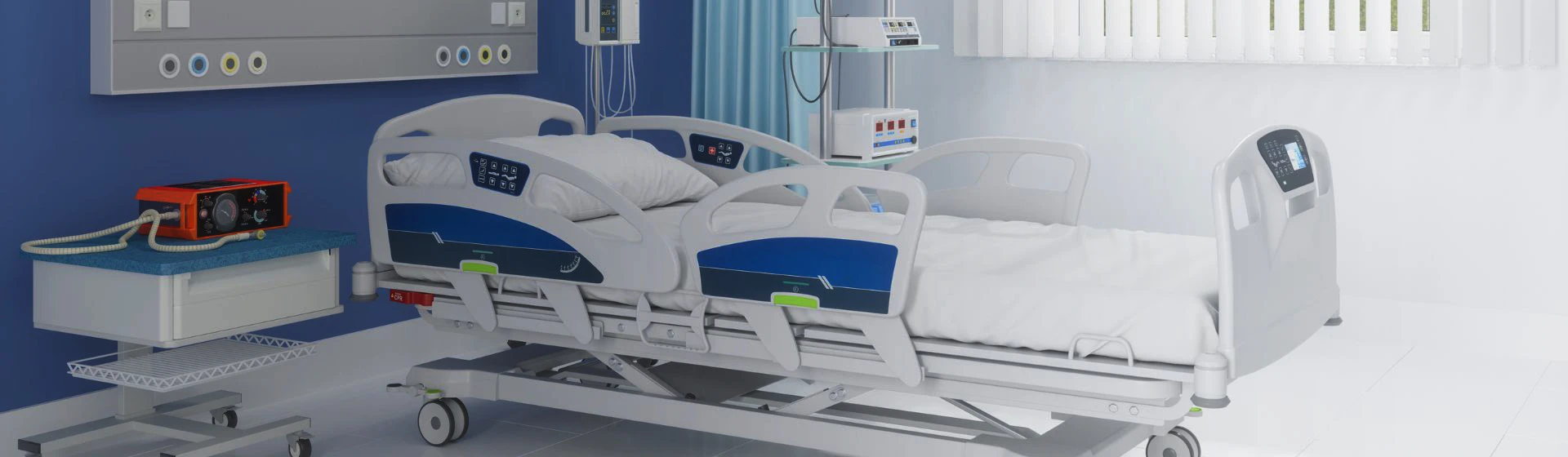
Modern ALV devices. Hamilton Medical equipment allows ventilation modes to be selected according to the patient's condition.

Continuous monitoring. The equipment allows monitoring of breathing, heart rhythm, and other vital signs.

24/7 resuscitation. The intensive care unit operates 24/7, and patients are under constant supervision.

Experienced intensive care physicians. Doctors who provide care to patients with severe conditions are on duty in the department around the clock.

Diagnostics at the clinic. CT, ultrasound, ECG, and laboratory tests are available to assess the patient's condition when indicated.

Own ambulance service. Equipped resuscitation ambulances have ALV devices to support breathing during transportation.

Reviews
Hanna 06.11.2026
Каріна Олегівна, лікар від якого можна виходити з посмішкою. Дякую, що колись знайшла саме Вас. Кваліфікація та прийом на вищому рівні.
Star Star Star Star Star
Світлана 28.10.2026
Була у Сорочан О. Б. через тривалі та рясні менструації. Після обстеження лікарка детально пояснила, що відбувається, і запропонувала план лікування. Зараз самопочуття набагато краще, а менструації проходять значно легше. Дуже вдячна Олені Борисівні.
Star Star Star Star Star
Current Information
Sign up via call center
in the clinic
online
This site is protected by reCAPTCHA technology, and the Google Privacy Policy and Terms of Service apply.
Hello!
Let's take care
about your health:
Sign up via call center

We use cookies and other technologies to remember your preferences and find out exactly how you use and interact with the site.

By using our site, you also agree to the terms of the "User Agreement" and "Regulation on the processing and protection of personal data". By clicking "I AGREE", you consent to the processing of your data.