
Sign up via call center
Department
Spine X-ray at the private clinic Oxford Medical Kyiv

Spinal fracture

A spinal fracture is one of the most dangerous injuries. Even in the absence of pronounced pain, it poses a serious threat, since the spine protects the spinal cord, and its damage can lead to severe neurological disorders, including paralysis. At the slightest suspicion of a spinal fracture, it is important not to move the victim and immediately seek medical help.

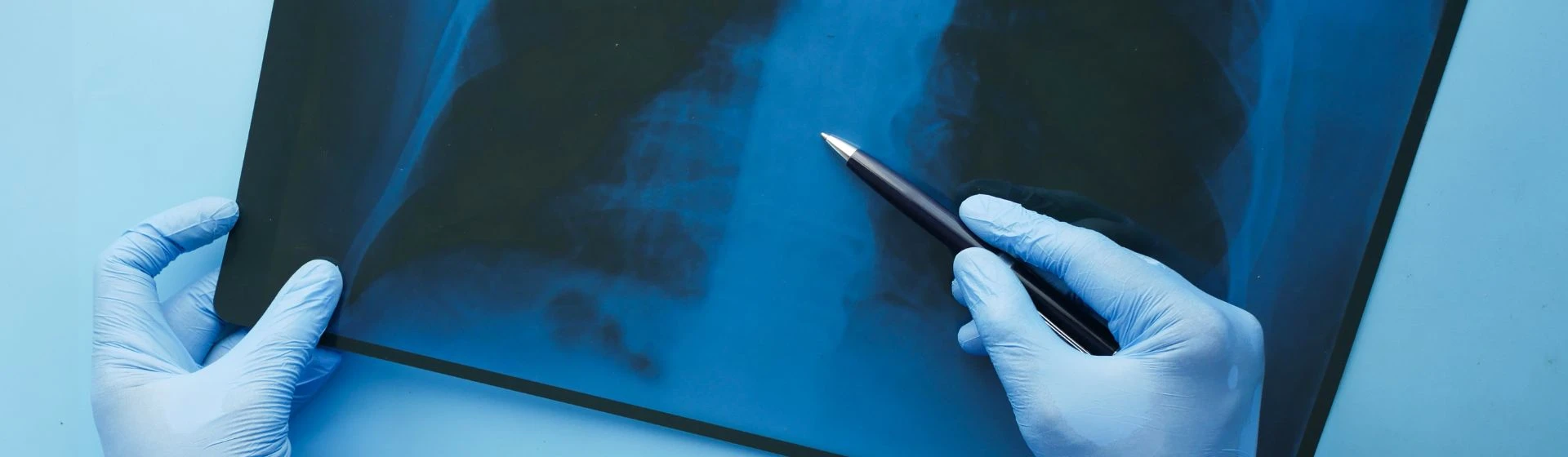
The Oxford Medical Medical Center in Kyiv has a 24-hour trauma center, where the patient can receive emergency care. The department has a digital X-ray machine, which allows for timely diagnosis, detection of a fracture, and assessment of its localization and complexity.

You can make an appointment with a traumatologist by phone. If you suspect a spinal fracture, you should seek qualified medical attention as soon as possible!

Signs of a Spinal Fracture

After an injury to the back or neck, the condition may seem stable, as the consequences
of the damage do not always appear immediately. However, even moderate pain or discomfort may conceal a serious risk, so medical attention is necessary.

Symptoms of a spinal fracture:

spinal deformity, unnatural curvature, severe pain;

sharp or progressively increasing pain in the back or neck that intensifies with even minimal movement or attempts to change body position;

forced body posture, a feeling of instability, inability to straighten up or turn without pain;

numbness, tingling, decreased sensation in the arms or legs, which may indicate damage to nerve structures;

weakness in the limbs, difficulty maintaining balance, or gait disturbances;

in severe cases — loss of bladder or bowel control, which is a sign of serious nervous system damage.

List of diseases

Even one of these symptoms after a fall, a road traffic accident, or a strong impact — which are typical causes of a spinal fracture — is a reason to seek immediate medical care.

First Aid for a Spinal Fracture

Correct actions in the first minutes after an injury are crucial, as any careless movement can worsen the condition and cause damage to the spinal cord. First aid for a spinal fracture focuses on maintaining maximum immobility of the injured person until examined by a doctor.

Basic first aid rules:

  • call emergency medical services immediately after the injury, especially after a fall from height, a road traffic accident, or a strong impact;

  • do not change the position of the injured person’s body and do not attempt to lift or seat them independently;

  • ensure complete immobilization of the torso and neck, and if possible, fix the head in a neutral position;

  • if transportation is necessary, wait for medical professionals or use a rigid surface, avoiding any bending of the spine;

  • do not give food, drinks, or pain medications without a doctor’s recommendation;

  • continuously monitor consciousness, breathing, and the general condition of the injured person until medical help arrives.

Following these rules significantly reduces the risk of complications and increases the chances of safe further treatment and recovery.

Spinal Fractures: Classification and Key Features

Classification is important because the type of injury determines the treatment strategy and the prognosis for recovery.

Spinal injuries are most commonly classified according to the following criteria:

  • By injury location. Injuries of the cervical, thoracic, lumbar, and sacral regions are distinguished. Cervical spine injuries are considered the most dangerous due to the high risk of severe neurological complications.

  • By mechanism of injury. Compression injuries occur when vertebrae are compressed, for example during a fall from height. Burst and comminuted fractures are accompanied by destruction of the vertebral body and may affect spinal cord structures.

  • By stability. Stable injuries do not compromise the supporting function of the spine and are less likely to cause displacement. Unstable forms are associated with a high risk of secondary displacement and damage to neural elements.

  • By presence of nervous system involvement. The injury may occur without neurological deficits or be accompanied by compression of the spinal cord and nerve roots, manifested by weakness, loss of sensation, or dysfunction of the pelvic organs.

  • By number of affected vertebrae. Isolated injury to a single segment is possible, as well as multiple injuries that complicate treatment and prolong the recovery period.

Understanding the type of injury helps assess the level of risk, determine the need for surgical intervention, and properly plan subsequent rehabilitation.

Spinal Fracture: Treatment

The treatment strategy is determined individually after a comprehensive examination. To confirm the injury and determine its nature, X-ray imaging is performed, which makes it possible to detect deformity or disruption of bone integrity. If necessary, computed tomography is also prescribed to provide a detailed assessment of bone structures and the degree of instability. Magnetic resonance imaging is used to evaluate the condition of the spinal cord, intervertebral discs, and ligamentous apparatus. Together, these methods allow for the selection of a safe and well-founded approach to further treatment.


Conservative Treatment

A conservative approach is used in cases of stable injuries without significant vertebral displacement and in the absence of signs of spinal cord compression.

Conservative treatment includes:

  • strict limitation of physical activity during the acute period to prevent secondary injury;

  • immobilization using rigid corsets or orthoses that stabilize the affected section of the spine;

  • medication therapy to reduce pain, inflammation, and muscle spasm;

  • gradual expansion of physical activity under medical supervision;

  • regular follow-up examinations to assess spinal stability.

Conservative methods are aimed at creating optimal conditions for tissue healing and symptom control.

Хірургічне

Surgical Treatment

Surgical intervention is indicated in cases of unstable injuries, significant vertebral displacement, spinal cord compression, or progression of neurological symptoms. The goal of surgery is to stabilize the spine, restore its anatomical alignment, and prevent severe complications.

Surgical treatment may include:

  • stabilization of the spine using metal fixation systems;

  • decompression of neural structures in cases of compression;

  • restoration of the supporting function of the spine and creation of conditions for further recovery.

At the Oxford Medical Medical Center in Kyiv, such injuries are treated by experienced, highly qualified spinal surgeons. A team-based approach, modern equipment, and adherence to clinical protocols make it possible to choose the optimal treatment strategy even in complex clinical cases.

Timely initiation of treatment and the correct choice of intervention method are key factors that influence prognosis and subsequent recovery after a spinal fracture.

Rehabilitation After a Spinal Fracture

If a patient has a spinal fracture, treatment and rehabilitation are a prolonged process. In particular, the rehabilitation program directly affects the restoration of mobility, the ability to perform self-care, and future quality of life. Rehabilitation begins during the treatment phase and continues after the patient’s condition has stabilized.

At the initial stage of recovery, the formation of safe movement skills is essential. The patient is gradually taught how to change body positions correctly, stand up, sit down, and perform daily movements without overloading the spine. This helps reduce the risk of re-injury and the development of pain.

The key feature of this period is that excessive activity is just as dangerous as complete immobility. Therefore, all stages of rehabilitation must be carried out under specialist supervision and in accordance with the physician’s recommendations.

General rehabilitation rules:

  • strict adherence to the regimen recommended by the physician, with limitations on movements that may overload the spine;

  • use of orthopedic corsets or other fixation devices during the prescribed period to maintain spinal stability;

  • control of pain and muscle tension through medication support or physiotherapy;

  • gradual restoration of physical activity, starting with minimal movements in a safe position under the supervision of a rehabilitation specialist;

  • performance of therapeutic exercises to maintain muscle tone, improve blood circulation, and prevent complications associated with prolonged mobility restriction.

It is important to understand that recovery timelines can vary significantly. With relatively mild injuries, rehabilitation may take several months; in complex cases, it may take much longer. Rushing the process or ignoring medical recommendations often leads to prolonged pain, limited mobility, and complicates the return to an active lifestyle.

A systematic approach to rehabilitation helps reduce the risk of long-term complications and maximizes the restoration of spinal function after injury.

Spinal Fracture: Long-Term Consequences

The consequences of a spinal injury may appear even months or years later. Their nature and severity depend on the location and extent of the damage, as well as on how effectively treatment and rehabilitation were carried out.

Possible consequences after a spinal fracture include:

  • partial or complete paralysis, which may occur in cases of spinal cord damage;

  • chronic or recurrent back pain that worsens during physical exertion or prolonged sitting;

  • reduced mobility and a feeling of stiffness, making daily activities more difficult and decreasing physical endurance;

  • difficulty with prolonged sitting, walking, or remaining in an upright position, affecting work capacity and overall daily activity;

  • decreased strength of the back and trunk muscles, especially after prolonged immobilization or the use of corsets;

  • sensory disturbances, weakness in the limbs, or coordination problems when neural structures are affected;

  • psychological consequences, including anxiety, fear of re-injury, reduced confidence in one’s movements, and a decline in quality of life.

Regular follow-up examinations, adherence to medical recommendations, and a gradual, controlled return to activity significantly reduce the risk of long-term complications. The earlier treatment and recovery begin, the greater the chances of preserving mobility and work capacity in the future.

Private Clinic Services in Kyiv: Cost of Spinal Fracture Treatment at Oxford Medical

The cost of treatment primarily depends on the complexity of the injury. Key factors include spinal stability, the presence of spinal cord damage, and, accordingly, the need for surgical intervention and inpatient care. In cases where surgery is not required, treatment is usually limited to conservative methods and outpatient follow-up.

At the private clinic Oxford Medical, patients can receive a full range of medical care for spinal injuries — obtain initial emergency care and undergo spinal X-ray imaging, as well as, if necessary, receive surgical treatment followed by inpatient monitoring.

You can review the prices for medical services in Kyiv on our website. More detailed information about treatment options and costs will be provided by the doctor during the initial consultation.

You can schedule an appointment at a convenient time by phone or via the online form on the website.

Frequently Asked Questions

How long should a brace be worn after a spinal fracture?

In uncomplicated, stable injuries, a brace is usually worn for 6–8 weeks; in more complex or unstable cases, up to 10–12 weeks. After this period, fixation should not be stopped abruptly. The wearing time is gradually reduced over several weeks to allow the spine to adapt to loading without the risk of pain or recurrent instability.

Is it possible to walk after a spinal fracture?

In cases of stable injuries without spinal cord damage, walking is usually allowed 2–6 weeks after the injury. Initially, it should be done with minimal load and with spinal fixation, avoiding prolonged time in an upright position. A sudden increase in activity or ignoring restrictions increases the risk of pain and secondary instability.

Is recovery possible after a spinal fracture?

The possibility of recovery depends on whether the spinal cord was damaged. If neural structures were not affected, a person may gradually regain the ability to move normally and perform everyday activities. In cases of spinal cord injury, persistent neurological impairments are possible, including partial or complete paralysis, which significantly affects future life.

How should you sleep after a spinal fracture?

Sleeping on a flat, moderately firm surface without sagging is recommended. The safest positions are on the back or on the side with body support provided by pillows. It is important to avoid sudden movements when turning in bed or getting up, so as not to place additional strain on the spine.

How long does rehabilitation take after a spinal fracture?

Rehabilitation usually lasts from 3 to 6 months in uncomplicated injuries. In cases of unstable damage or after surgery, recovery may take 6–12 months or longer.

( Rating: 4.65 , Votes: 75 )
Our services
Consultations
Consultation with an orthopedic traumatologist
1100.00 ₴
Add Added
Consultation with a leading orthopedic traumatologist
1989.00 ₴
Add Added
Services
Applying a small plaster cast/splint (with cost of materials)
999.00 ₴
Sign up by the call center
Applying a medium plaster cast/splint (with cost of materials)
1189.00 ₴
Sign up by the call center
Applying a large plaster cast/splint (with cost of materials)
1689.00 ₴
Sign up by the call center
Applying a softcast/scotchcast bandage (without material cost)
1289.00 ₴
Sign up by the call center
Immobilization with plastic bandage, medium (without product cost)
1889.00 ₴
Sign up by the call center

Advantages of the Oxford Medical Trauma Center in Poznyaki

Patient reception 24/7, including curfew hours

Own ambulance service, which can be called at 2044

Availability of digital X-ray for accurate diagnosis

Possibility of hospitalization in a surgical hospital

Reviews
Юлія 28.01.2026
Дуже професійний лікар. Уважно вислухав мої скарги на біль в стопі. Позадавав питання додаткові та встановив основну причину захворювання. Навіть особисто зробив устілки для мене і не потрібно нікуди ходити за ними. Я вражена. Рекомендую
Star Star Star Star Star
Катерина 26.01.2026
Звернулася після травми, дуже хвилювалася. Лікар усе спокійно перевірив, показав знімки й пояснив, що нічого критичного немає. Призначене лікування допомогло, рухатися стало легше. Дуже вдячна.
Star Star Star Star Star
Current information
All Articles
Sign up via call center
in the clinic
online
This site is protected by reCAPTCHA technology, and the Google Privacy Policy and Terms of Service apply.
Hello!
Let's take care
about your health:
Sign up via call center

We use cookies and other technologies to remember your preferences and find out exactly how you use and interact with the site.

By using our site, you also agree to the terms of the "User Agreement" and "Regulation on the processing and protection of personal data". By clicking "I AGREE", you consent to the processing of your data.