Septoplasty is a surgical method of correcting a deviated nasal septum. It consists of bone and cartilage tissue and divides the nasal cavity in half along the vertical line. Due to deviation of the nasal septum, breathing becomes difficult, the sense of smell worsens, snoring and headaches appear.
Nowadays, septoplasty is mainly performed using the endoscopic method. The ENT surgeon removes part of the tissue, straightens the nasal septum, and sutures it correctly. The use of endoscopic equipment and video monitoring allows the operation to be performed quickly and effectively, minimizing tissue trauma.
Indications for Septoplasty
The main indication for septoplasty is deviation of the nasal septum. This is a fairly common disorder that appears as a result of genetic features, nasal trauma (bruise or fracture), entry of a foreign body into the nose, or polyp development.
Symptoms of deviated nasal septum that require septoplasty:
-
external deformation of the nose shape;
-
impaired nasal breathing – it can be complete or partial;
-
snoring – appears due to difficulty breathing through the nose;
-
deterioration or complete absence of the sense of smell;
-
chronic rhinitis, sinusitis, maxillary sinusitis, and other ENT diseases;
-
frequent respiratory infections and complications from ENT organs;
-
frequent nosebleeds;
-
hearing loss as a result of tubo-otitis and eustachitis – develops due to impaired ventilation of the tympanic membrane through the nasopharyngeal opening of the auditory tube.
These symptoms most often appear with pronounced septal deviation. If it is minor and does not bother the patient, surgery may not be needed. This is determined by the ENT doctor after examination, diagnosis, patient complaints, and medical history.
If indicated, septoplasty is performed not only in adults but also in children. Some surgeons believe that the nasal septum can be corrected only after the skeleton is fully formed, which occurs no earlier than 17–18 years. Other specialists perform surgery in children at an earlier age – from 11, and sometimes even from 6 years. Impaired nasal breathing can negatively affect a child’s physical and mental development, provoke frequent acute ENT diseases, and lead to their chronic course.
Therefore, if a child has pronounced symptoms of nasal septum deviation, septoplasty can be performed after 6 years. At this time, the nasal septum completes its formation.
How to Prepare for Septoplasty
In most cases, septoplasty is performed on a scheduled basis. When the surgery is prescribed, the surgeon explains how to properly prepare for it and which tests and examinations need to be done. At the stage of preoperative preparation, a fluorography (if not done within a year), cardiogram, general blood and urine tests, blood biochemistry, and tests for common infections may be required. A consultation with a therapist and anesthesiologist may also be needed.
Two weeks before septoplasty, it is recommended to stop taking medications that affect blood clotting (aspirin, nonsteroidal anti-inflammatory drugs, and others). They also cannot be taken for 2 weeks after surgery. The cancellation of medications should be discussed with your doctor.
How Nasal Septum Correction Is Performed
There are several different methods of correcting a deviated nasal septum, but endoscopic septoplasty is used most often. This is an effective and safe operation during which no incisions are made on the outside of the nose, and the internal tissues are minimally traumatized.
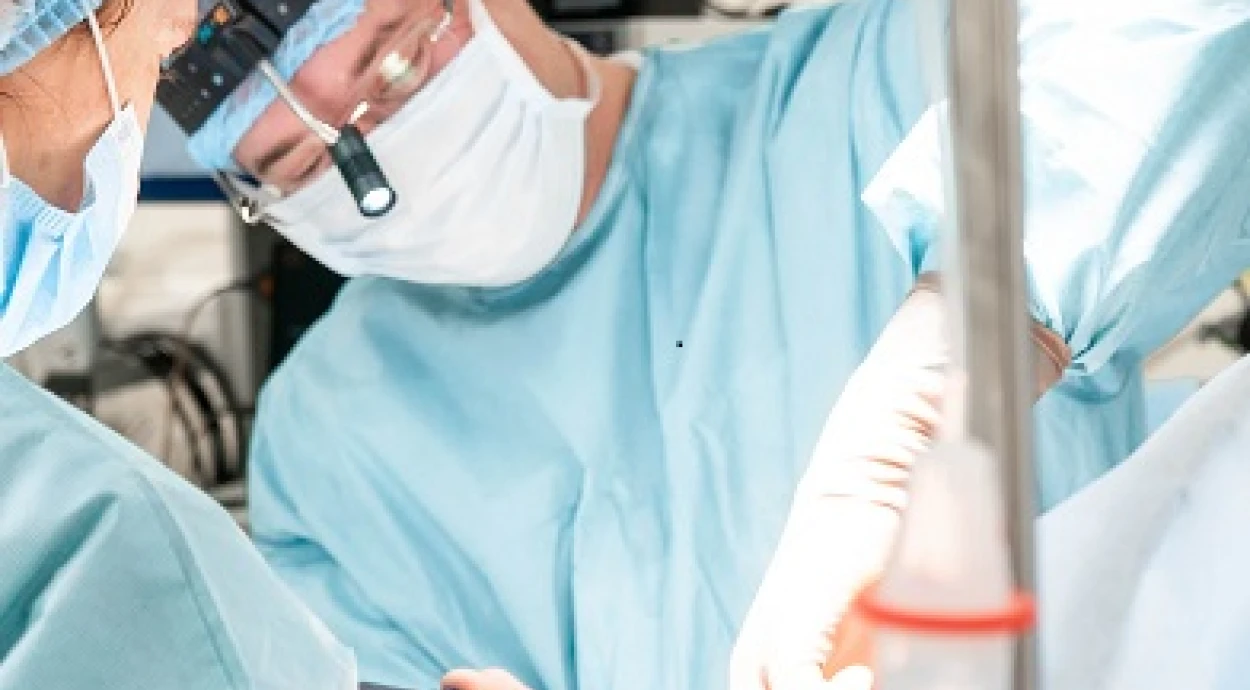
Septoplasty is performed under general anesthesia and lasts about 60 minutes. During the operation, an endonasal approach is used, meaning the endoscope is inserted into the nasal cavity through the nostrils. Thanks to the optical device built into the endoscope, the image is transmitted to the monitor screen, and the surgeon can clearly see hard-to-reach areas of the nose. This allows the necessary manipulations to be performed as accurately as possible without damaging other tissues.
During the surgery, the surgeon removes part of the septal tissue, straightens it, and fixes it in the correct position using special silicone plates (splints). Tampons are also inserted into the nose to support the septum and absorb bloody discharge. They are removed after 1–3 days depending on the patient’s condition and presence of bleeding.
Septoplasty can be performed simultaneously with rhinoplasty – changing the shape of the nose and correcting external cosmetic defects.
Recovery After Septoplasty
Septoplasty is performed in a hospital setting. On average, hospitalization lasts 1–3 days.
After surgery, cotton tampons remain in the nasal sinuses, so nasal breathing is completely absent. After their removal, breathing may still be difficult due to swelling of the mucous membrane, accumulation of blood clots, and mucus. Bleeding decreases on the 5th–6th day after surgery.
In general, the postoperative period lasts about 1 month.
Until the nasal septum is fully healed and nasal breathing normalized, patients are advised not to play sports, not to drink or eat anything hot, not to take hot baths, and not to visit pools or saunas. It is also forbidden to blow the nose actively to avoid provoking new bleeding.
To reduce pain and improve wound healing, the ENT doctor may prescribe painkillers, anti-inflammatory, and other medications.
After septoplasty, follow-up examinations by the doctor are mandatory.
Contraindications for Septoplasty
Contraindications for septoplasty include:
-
oncological diseases;
-
blood clotting disorders;
-
tuberculosis;
-
human immunodeficiency virus;
-
diabetes mellitus;
-
intolerance to drugs used for general anesthesia;
-
liver and kidney dysfunction;
-
exacerbation of chronic diseases;
-
recent heart attack or stroke;
-
acute diseases (ARVI, flu, etc.);
-
pregnancy and lactation.
Conclusion
Endoscopic septoplasty is a relatively simple operation that allows restoring the nasal septum and eliminating problems with breathing, snoring, headaches, and frequent ENT diseases.
Sources:
-
International Journal of Scientific Research
-
Pubmed.gov
-
The Lancet