Contents:
- Why intestinal microflora is disrupted
- How to restore intestinal microflora after antibiotics
- How to restore intestinal microflora after diarrhea
- How to restore intestinal microflora at home
- How to restore intestinal microflora in a child
- Conclusion
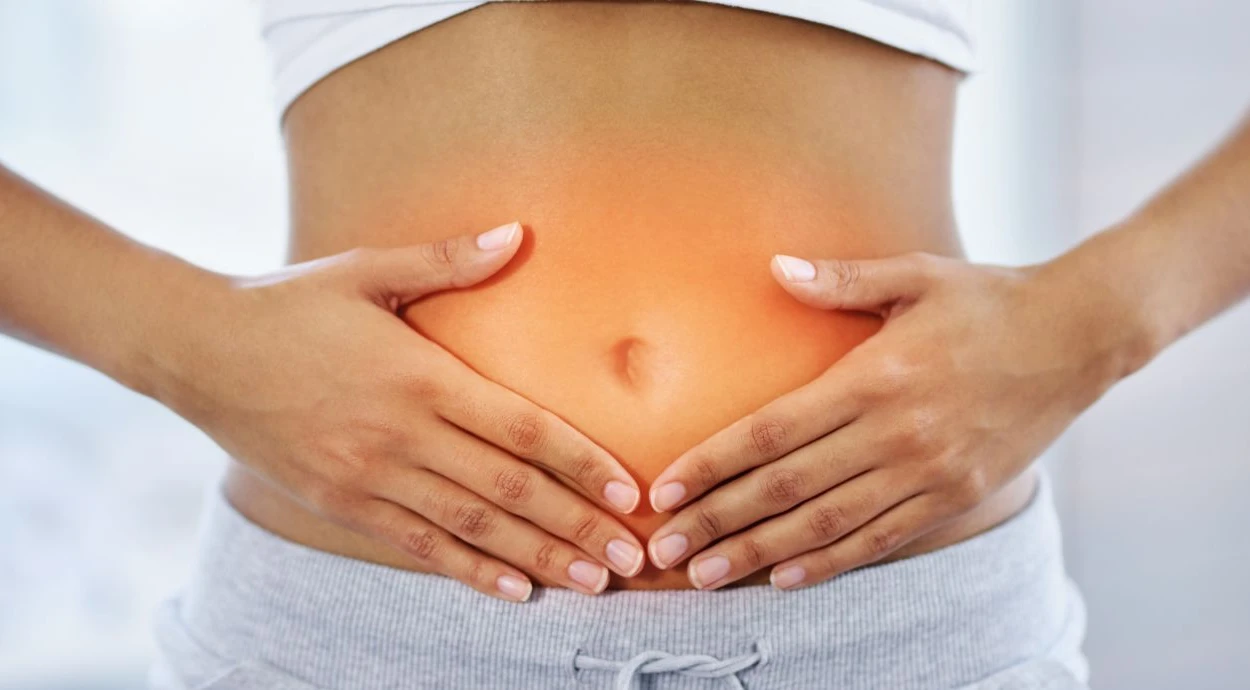
Disruption of the balance of intestinal microflora is a common problem that can affect not only digestion but also overall well-being. Bloating, abdominal discomfort, unstable stool, increased fatigue — all this may be associated with such an imbalance.
To provide clear and practical recommendations, we turned to the doctors of Oxford Medical and collected their advice in this article. You will learn why microflora is disrupted, how to act after antibiotics or diarrhea, and what really helps normalize intestinal function.
Why intestinal microflora is disrupted
Intestinal microflora is a complex system of beneficial bacteria that take part in digestion, vitamin synthesis, and immune support. Its balance is easily disrupted under the influence of various factors, which leads to discomfort and digestive problems.
The most common causes of microflora disruption:
- taking antibiotics, which destroy not only harmful but also beneficial bacteria;
- previous intestinal infections or diarrhea;
- an unbalanced diet with an excess of fatty, sweet, or processed foods;
- prolonged stress, which affects the functioning of the digestive system;
- hormonal changes in the body;
- chronic diseases of the gastrointestinal tract, such as gastritis.
The disruption of balance may occur gradually or after a certain trigger — for example, a course of antibiotics or food poisoning. At the same time, the ratio of “beneficial” and opportunistic bacteria changes, which affects the processes of digestion and absorption of nutrients.
In some cases, the imbalance is associated not only with the intestine but also with the general condition of the body. For example, endocrine disorders, in particular thyroid diseases, as well as other systemic changes, may affect microflora.
Doctors of Oxford Medical note that normalization of intestinal microflora depends primarily on eliminating the factor that caused the changes — without this, symptoms may return even after temporary improvement.
How to restore intestinal microflora after antibiotics
.jpg)
Antibiotics effectively destroy bacterial infection, but at the same time they also affect the beneficial intestinal microflora. As a result, after treatment, bloating, stool disturbances, abdominal discomfort, or a feeling of unstable digestion may appear.
Restoration of intestinal microflora after antibiotics requires time and the right approach. It is important not only to “add” beneficial bacteria, but also to create conditions for their growth and restoration of the natural balance. A timely and грамотный approach allows you to restore intestinal microflora faster and reduce the risk of recurrent digestive disorders.
Main recommendations:
- add to the diet products with probiotics (yogurt, kefir, fermented products) that contain live beneficial bacteria;
- consume a sufficient amount of fiber (vegetables, fruits, whole grains), which is a nutrient medium for microorganisms;
- drink enough water to support normal intestinal function;
- use probiotics or synbiotics on a doctor's recommendation;
- avoid excessive sugar and ultra-processed foods, which may promote the growth of undesirable flora.
After a course of antibiotics, it is important to give the body time to recover — microflora does not normalize in a few days. On average, this process may last from several weeks to several months depending on the condition of the body and the duration of treatment.
Doctors of Oxford Medical recommend not starting probiotics without need immediately after completing a course of antibiotics. If there are no pronounced symptoms after treatment (diarrhea, bloating, pain), dietary correction is often enough: add fermented dairy products, fiber, and establish a regular eating schedule.
If complaints do appear — unstable stool, abdominal discomfort — then it is advisable to select probiotics together with a doctor, since different preparations have different compositions and effects.
It is important to take into account that after antibacterial therapy, not only intestinal microflora may change. For example, sometimes there is a need for treatment of thrush, which is also associated with a change in the microbial balance in the body.
How to restore intestinal microflora after diarrhea
Diarrhea is one of the most common causes of microflora imbalance. During frequent loose stools, a significant part of beneficial bacteria is washed out of the intestine, and the mucous membrane becomes irritated. As a result, even after stool normalization, bloating, discomfort, and unstable intestinal function may remain.
To restore intestinal microflora after diarrhea, it is important to act step by step — first restore water balance and intestinal function, and then gradually return to the usual diet.
Main recommendations:
- drink a sufficient amount of fluids (water, rehydration solutions) to compensate for losses;
- follow a gentle diet in the first days (rice, bananas, baked apples, crackers);
- gradually introduce fermented dairy products after stool normalization;
- add fiber to the diet not immediately, but after a few days;
- avoid fatty, spicy food and alcohol during the recovery period.
After diarrhea, the intestine remains sensitive for some time, so a sharp return to the usual diet may cause symptoms again. The diet should be expanded gradually, focusing on well-being.
Doctors of Oxford Medical explain that for restoration of intestinal microflora after diarrhea, it is important not to rush with heavy food and not to overload the digestive system — this helps the mucous membrane recover naturally.
If symptoms do not disappear within several days or weakness, elevated temperature, or abdominal pain appear, a consultation with a gastroenterologist is necessary to clarify the cause and select treatment.
How to restore intestinal microflora at home
.jpg)
In most cases, mild intestinal dysfunction can be corrected without medications — through changes in diet and lifestyle. It is daily habits that most strongly affect the state of microflora.
Home methods are especially effective after minor digestive disorders or as support after the main treatment. They help gradually restore intestinal microflora and stabilize the functioning of the digestive system.
Products for normalizing intestinal function
Nutrition plays a key role in restoring microbial balance. Beneficial bacteria need a nutrient medium, and it is food that determines which microorganisms will predominate in the intestine.
It is worth including in the diet:
- fermented dairy products (kefir, sugar-free yogurt, starter cultures) — they contain beneficial bacteria;
- vegetables and fruits (beets, carrots, apples, zucchini) — a source of fiber;
- whole grain products — support regular intestinal function;
- fermented products (sauerkraut) — natural probiotics;
- a sufficient amount of water — important for digestion and peristalsis.
At the same time, it is worth limiting excess sugar, fast food, and heavily processed food, since they may disrupt the balance of microorganisms.
Doctors of Oxford Medical recommend not introducing all beneficial products at once, but changing the diet gradually in order to avoid bloating and discomfort.
Exercises for normalizing intestinal microflora
Physical activity directly affects intestinal function. Regular movement improves peristalsis and helps avoid stagnant processes.
The following are beneficial:
- daily walks for at least 20–30 minutes;
- light morning exercises;
- abdominal exercises without overstrain;
- breathing exercises that engage the diaphragm.
Even moderate activity promotes better digestion and creates conditions for normalization of intestinal microflora without additional interventions.
Other recommendations
In addition to nutrition and physical activity, it is important to pay attention to the general daily routine and factors that often remain overlooked.
It is recommended to:
- follow a regular eating schedule;
- not overeat, especially in the evening;
- get enough sleep, since lack of sleep affects intestinal function;
- reduce stress levels;
- not take antibiotics without a doctor's prescription.
A comprehensive approach and regularity of changes make it possible to achieve a stable result and maintain stable intestinal function.
How to restore intestinal microflora in a child
.jpg)
Intestinal microflora in children is more sensitive to external factors than in adults. It can change quickly after antibiotics, intestinal infections, changes in diet, or stress. Therefore, the approach to restoration should be careful and gradual.
First of all, it is important to pay attention to the child's nutrition. The diet should correspond to age and contain a sufficient amount of fiber, if age allows it, as well as fermented dairy products. In infants, breastfeeding plays a key role, since it supports the formation of microbial balance.
For older children, it is recommended to:
- follow a regular eating schedule;
- limit sweets and processed products;
- ensure sufficient water intake;
- gradually introduce foods rich in fiber;
- if necessary, use probiotics on a doctor's recommendation.
A comprehensive approach makes it possible to achieve stable restoration of intestinal microflora in a child and reduce the risk of recurrent disorders.
Doctors of Oxford Medical note that one should not independently prescribe probiotics to a child without indications, especially after minor digestive disorders. In many cases, microbial balance restores naturally provided there is proper nutrition and routine.
Conclusion
Intestinal microflora plays an important role in digestion, immunity, and the general condition of the body. Its balance may be disrupted under the influence of various factors — from antibiotics to dietary habits.
In most cases, intestinal microflora can be restored with the help of simple and accessible changes: diet correction, sufficient fluid intake, physical activity, and adherence to a daily routine. At the same time, it is important to take into account the cause of the disorder and act gradually, without overloading the body.
Regular attention to nutrition and lifestyle helps achieve normalization of intestinal microflora and reduce the risk of recurrent disorders in the future.
The information in the article is provided for ознакомления and is not an instruction for self-diagnosis and treatment. If symptoms of a disease appear, you should consult a doctor.
Sources:
World Gastroenterology Organisation
American Gastroenterological Association
European Society for Paediatric Gastroenterology, Hepatology and Nutrition