


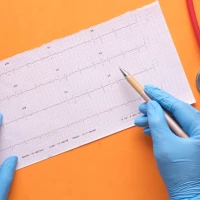
During a heart ECG, sensors (electrodes) are attached to the chest, wrists, and ankles. They record the heart’s electrical signals, which a special device converts into a graph. The procedure lasts about 10 minutes, is painless, and requires no complex preparation.
Sign up via call center 
 Adults Adults Adults Adults Adults Adults Adults Adults Adults
  Children Children Children Children
Department
Adults Outpatient department
Adults Outpatient department
Inpatient department
Adults Inpatient department
Aesthetic medicine
Adults Aesthetic medicine
Dentistry
Adults Dentistry
Plastic surgery
Adults Plastic surgery
Diagnostics
Adults Diagnostics
Analyzes
Adults Analyzes
Outbound services
Adults Outbound services
Children Outpatient department
Children Outpatient department
Dentistry
Children Dentistry
Diagnostics
Children Diagnostics

Kyiv


 Hotline:
 Request a call:


Department
Adults Outpatient department
Adults Outpatient department
Inpatient department
Adults Inpatient department
Aesthetic medicine
Adults Aesthetic medicine
Dentistry
Adults Dentistry
Plastic surgery
Adults Plastic surgery
Diagnostics
Adults Diagnostics
Analyzes
Adults Analyzes
Outbound services
Adults Outbound services
Children Outpatient department
Children Outpatient department
Dentistry
Children Dentistry
Diagnostics
Children Diagnostics

Electrocardiogram (ECG)
You can quickly and reliably find out if you have heart disease using a simple and affordable method – an electrocardiogram. A 10-minute examination will show whether everything is in order with one of the most important internal organs.
An electrocardiogram is a diagnostic method that records the electrical activity of the heart. This test provides a graphical representation of the heart's electrical impulses, allowing for the detection of possible abnormalities in heart function.
An ECG is a quick, painless, and informative examination method widely used to diagnose various diseases of the cardiovascular system. This method is the basis for determining heart rhythms, myocardial damage, the condition of the heart's conduction system, and other pathologies.
When do you need to do electrocardiogram?
The cardiologist or therapist, who auscultated heart murmurs, usually orders the electrocardiogram. The examination is ordered, if the patient complains about:
- pains in the heart area;
- increased heart rate;
- heart ‘aflutter’;
- high and low pressure;
- permanent weakness;
- faints etc.
The electrocardiogram is also ordered in case of pregnancy – during this period, the volume of circulated blood increases and the load on the heart grows. For the same reason (increase of loads on the heart muscle), the preventive electrocardiogram is recommended for: athletes; people, suffering from a permanent emotional tension; patients with obesity, diabetes mellitus, rheumatism; people, aged over 40.
Electrocardiogram in Oxford Medical Kyiv
The electrocardiogram is usually done for about 10 minutes. During the process, the doctor places the sensors on the patient’s body, which receive and register electrical impulses, coming from the heart.
As per their instructions, the cardiologist can determine the regularity and frequency of heart contractions, find out the disturbance of cardiac conduction, myocardial injuries, obtain information about the physical condition of the heart.
Even if you decided to undergo examination independently, you should better visit the cardiologist for interpreting the electrocardiogram and receiving precise information regarding the heart condition. Because during the consultation, the doctor takes into account not only the data of examination, but also the patient’s complaints, the results of examination, the medical record. If the heart is healthy, but there are some complaints, the cardiologist will recommend the necessary specialist, because the pains in the heart area can be caused, for example, by the spinal diseases.
As per the cardiogram, the cardiologist can detect presence of such cardiovascular diseases:
- arrhythmia;
- heart failure;
- atherosclerosis;
- ischemic heart disease;
- rheumatism etc.
In some cases, the electrocardiogram can be insufficient for establishing the precise diagnosis, then the ultrasound of the heart is ordered that allows obtaining more information. The doctor assesses the size of the heart, thickness of its walls, condition of the vessels and mitral valve.
How is a heart electrocardiogram performed for women?
The process of performing an electrocardiogram (ECG) for women does not differ from the standard procedure, but there are a few nuances:
-
Patient comfort. During the procedure, the patient is asked to remove her upper clothing, which may cause discomfort. At Oxford Medical, all conditions are created to ensure privacy and comfort—the examination is carried out in a cozy room, and the staff acts with maximum delicacy.
-
Electrode placement. To obtain accurate data, sensors are placed on the chest, wrists, and ankles.
-
Cycle specifics. If the procedure is carried out during the menstrual cycle, it does not affect the accuracy of the results, but it is important to inform the doctor about your general condition so that the readings are interpreted correctly.
What conditions can an ECG help diagnose?
Based on an ECG, a cardiologist can detect the presence of cardiovascular diseases such as:
-
arrhythmia;
-
heart failure;
-
atherosclerosis;
-
coronary heart disease;
-
rheumatism, etc.
In some cases, an ECG may not be enough for an accurate diagnosis. In such instances, an ultrasound of the heart is prescribed, which provides more information. The doctor evaluates the size of the heart, the thickness of its walls, the condition of the vessels, and the mitral valve.
Why is it important to consult a doctor after receiving ECG results?
ECG results include numerous indicators that may be unclear without professional interpretation. Only an experienced cardiologist can:
-
Interpret the data correctly. Changes on the graph may be signs of disease but can also be due to physiological features or stress.
-
Evaluate the overall condition. ECG indicators are analyzed in combination with other data: medical history, symptoms, and results of additional tests.
-
Prescribe treatment or further diagnostics. If abnormalities are found, the doctor may recommend an echocardiogram, Holter monitoring, or other diagnostic methods to confirm the diagnosis.
Self-assessment of the results may be inaccurate, so consulting a cardiologist is a crucial step in maintaining your health.
Preparation for an ECG
No special preparation is required for the examination. It is enough to avoid alcohol, caffeine-containing products, excessive physical exertion, and stress. This is necessary to ensure that the data obtained is as accurate as possible. Before the examination, be sure to inform your doctor if you take any medications regularly.
Heart ECG: price at Oxford Medical
The cost may vary depending on the type of examination. You can preview the prices here. The doctor will provide more detailed information about the options, program, and pricing during the initial consultation. To get an ECG, make an appointment by phone or through the online chat on the website.
FAQ
How is an ECG performed?
What does a heart ECG show?
An electrocardiogram determines the frequency and regularity of heartbeats, conduction disorders, myocardial damage, and the heart's overall physical condition. It helps detect arrhythmias, ischemia, heart failure, and more. A healthy heart’s ECG reflects normal heart function, regular rhythm, and absence of abnormalities.
Where can I get a heart ECG?
You can get an electrocardiogram in Kyiv at Oxford Medical, which has branches in various districts and in the city center. Our specialists ensure accurate diagnostics and professional interpretation of results. You can book an appointment by phone or online through the website.
What does an ECG show?
An ECG shows the heart’s electrical activity: rhythm, rate, presence of conduction system disorders or myocardial damage. It is a key method for diagnosing arrhythmias, coronary heart disease, and other cardiovascular conditions. A normal heart ECG indicates that your heart is functioning steadily, without disorders or health risks.

Our services
Consultations

Cardiologist consultation
1100.00 ₴
Add Added 
Consultation with a leading cardiologist
1989.00 ₴
Add Added
Online consultation with a cardiologist
1100.00 ₴
Add Added
Services
Electrocardiography (ECG without description)
319.00 ₴
Sign up by the call center
Electrocardiography (ECG with description)
499.00 ₴
Sign up by the call center
ECG monitoring (Holter) (24 hours)
1989.00 ₴
Sign up by the call center
ECG monitoring (Holter) with blood pressure (24 hours)
3689.00 ₴
Sign up by the call center
Description of electrocardiography (ECG)
229.00 ₴
Sign up by the call center

Advantages of the “Oxford Medical” cardiology department in Kyiv

Experienced cardiologists. Highly qualified specialists who follow modern treatment approaches.
Modern equipment. The latest devices for diagnosing and monitoring the condition of the heart and vessels.
Comprehensive treatment. Possibility to undergo examination, treatment, and rehabilitation in one place.
Comfort and care. Convenient location of clinics in different districts of Kyiv, friendly atmosphere, and attentive staff.
Show more 
Our doctors

 4.91
4.91  36+
36+ 
Cardiologist, ultrasound doctor of the highest category
 36+ Years of experience
 Consultation 1100
 Kyiv, Vasyl Lypkivskoho St., 38
 5 14+
5 14+ Cardiologist
14+ Years of experience Consultation 1100
Kyiv, Knyaziv Ostrozkyh St., 46/2 
 4.95 35+
 Pediatrician of the highest category
35+ Years of experience Consultation 1100
Kyiv, Mykhayla Hryshka St., 1 Kyiv, Sribnokilska St. 20 
Reviews
Николай 04.03.2026
До кардіолога Аніч Юлії Юріївни на прийом уперше потрапив випадково. Були проблеми, і я записався до найближчого медичного центру найближчим часом. Юлія Юріївна виявилася дуже уважним, доброзичливим та кваліфікованим фахівцем. Відразу ж визначила проблему, призначила лікування і мені полегшало. З того часу я вже цілеспрямовано йду, якщо потрібно, тільки до неї. Відмінний фахівець! Рекомендую!

Анастасія 07.02.2026
Звернулася до Сивоконь Альони Василівни як до кардіолога і залишилася дуже задоволена прийомом. Лікар уважно вислухала всі мої скарги, детально розпитала про самопочуття та попередні обстеження. Пояснює все спокійно, зрозуміло й без зайвої «медичної» складності, що для мене було дуже важливо. Відчувається професіоналізм, досвід і щире бажання допомогти пацієнту. Після консультації з’явилося відчуття спокою та впевненості в лікуванні. Дуже вдячна Альоні Василівні та щиро рекомендую її як уважного й компетентного кардіолога.
Current information


19 February 2026
Arrhythmia and tachycardia: what is the difference, causes and treatment

19 February 2026
What not to do after a heart attack
28 August 2025
What is cardiac arrhythmia and how to treat it?

10 August 2025
What is POTS (Postural Orthostatic Tachycardia Syndrome): Symptoms and Causes
Sign up
 in the clinic
  online

 Hello!
Let's take care
about your health:
Sign up via call center 
