


A Holter ECG monitor shows the heart’s electrical activity over 24 hours or more. It helps detect heart rhythm disorders, irregularities in heart function, and evaluates how the heart responds to physical activity, emotional stress, and even sleep.
Sign up via call center 
 Adults Adults Adults Adults Adults Adults Adults Adults Adults
  Children Children Children Children
Department
Adults Outpatient department
Adults Outpatient department
Inpatient department
Adults Inpatient department
Aesthetic medicine
Adults Aesthetic medicine
Dentistry
Adults Dentistry
Plastic surgery
Adults Plastic surgery
Diagnostics
Adults Diagnostics
Analyzes
Adults Analyzes
Outbound services
Adults Outbound services
Children Outpatient department
Children Outpatient department
Dentistry
Children Dentistry
Diagnostics
Children Diagnostics

Kyiv


 Hotline:
 Request a call:


Department
Adults Outpatient department
Adults Outpatient department
Inpatient department
Adults Inpatient department
Aesthetic medicine
Adults Aesthetic medicine
Dentistry
Adults Dentistry
Plastic surgery
Adults Plastic surgery
Diagnostics
Adults Diagnostics
Analyzes
Adults Analyzes
Outbound services
Adults Outbound services
Children Outpatient department
Children Outpatient department
Dentistry
Children Dentistry
Diagnostics
Children Diagnostics

Daily monitoring of ECG
(Holter)
Not all heart conditions can be detected using a standard ECG, because heart rhythm disturbances often occur only during physical or emotional stress.
Holter monitoring is a method of continuous recording of the heart’s electrical activity over 24 hours or more using a portable device – a Holter monitor. A Holter is a small device whose sensors are attached to the patient's body. They do not interfere with daily activities.
This procedure allows the heart's function to be assessed under everyday conditions, to record possible rhythm or conduction disturbances, and to detect problems that may not be visible during a standard ECG. Thanks to this method, doctors receive accurate information for diagnosing cardiovascular diseases and adjusting treatment.
When holter monitoring is necessary
Holter monitoring is recommended if the following symptoms are present:
-
Pain or burning in the heart area;
-
Heart rhythm disturbances;
-
Shortness of breath, feeling of air shortage;
-
Persistent weakness;
-
Irregular heartbeat;
-
Dizziness;
-
Fainting.
Holter monitoring is indispensable after a myocardial infarction or before heart surgery. It is used to diagnose many cardiovascular conditions:
-
Heart rhythm disorders;
-
Conduction disturbances;
-
Silent myocardial ischemia;
-
Heart defects;
-
Coronary heart disease, etc.
Holter monitoring helps not only to detect the presence of arrhythmia but also to determine its frequency, duration, and the threshold level of exertion that causes it.
Advantages of Holter ECG monitoring over standard ECG
24-hour Holter ECG monitoring offers several key advantages compared to a standard ECG:
-
Detection of abnormalities in real time – Holter monitoring captures heart irregularities during physical activity, emotional stress, and sleep, which greatly improves diagnostic accuracy.
-
Continuous recording – Unlike a standard ECG, which usually lasts a few minutes, Holter records heart activity for 24 hours or more, making it possible to detect hidden problems.
-
Assessment of external influences – Monitoring shows how the heart responds to exertion, stress, or changes in body position.
How Holter ECG monitoring is performed
The procedure is completely painless and has no contraindications, which is why cardiologists recommend it for cardiovascular disease prevention. No special preparation is required for Holter monitoring.
During Holter monitoring, the patient is not required to limit physical activity or change their usual routine. However, there are a few simple rules to follow while the device is attached:
-
Keep a detailed diary of your activities so the doctor can assess the level of physical and emotional stress and correlate it with the Holter data.
-
Do not take a shower or bath.
-
Avoid mechanical damage, overheating, or exposure to electrical fields on the device.
-
Make sure the electrodes do not come off.
Electrodes are attached to the patient’s chest, as with a standard ECG. They are connected to the Holter device, which is fastened to the patient’s waist or chest. The patient then resumes their regular activities. After 24 hours, the device is removed, and a cardiologist analyzes the recorded data.
How to prepare for Holter monitoring
No special preparation is required before installing the Holter device. It’s important that the skin on the chest is clean and dry, and men with a lot of chest hair may need to shave the area where electrodes will be attached. Comfortable clothing should also be chosen so as not to interfere with wearing the device.
Holter monitoring results
The results obtained from Holter monitoring are analyzed by a cardiologist and provide essential information for an accurate diagnosis and evaluation of heart function. If necessary, additional tests (heart ultrasound), lab analyses, or consultations with related specialists are recommended.
Holter monitoring is also used to assess the effectiveness of treatment and to make adjustments if needed. The device can also be used to evaluate the functioning of a cardiac pacemaker.
Advantages of Holter monitoring at Oxford Medical clinic
At the Oxford Medical cardiology department, we use advanced devices for Holter monitoring, ensuring accurate results. Our patients receive high-quality diagnostics and comfort during the procedure. Here are some of the benefits of undergoing ECG monitoring at our clinic:
-
Modern equipment – We use the latest Holter models for accurate and safe recording of the heart’s electrical activity.
-
Comfortable conditions – The procedure is painless and does not affect your daily routine.
-
Professional approach – Experienced cardiologists analyze the data and provide an accurate assessment of heart function.
-
Personalized care – Each patient receives tailored recommendations and a treatment plan based on monitoring results.
You can schedule Holter monitoring at Oxford Medical clinic via the online form or by phone.
Holter monitoring: price at Oxford Medical clinic
The price of Holter monitoring at Oxford Medical clinic depends on the duration of the monitoring. You can check the prices here. For a more precise estimate of the cost of 24-hour ECG monitoring and interpretation, your doctor will provide guidance during the initial consultation. Contact our call center and make an appointment at a convenient time for you.
FAQ
What does a Holter monitor show?
How is the Holter monitor applied?
The Holter device is applied by attaching electrodes to the chest, similar to a standard ECG. The electrodes are then connected to a small portable device that the patient wears on the waist or in another convenient location. No hospitalization is needed.
How does a Holter monitor work?
The Holter monitor continuously records the heart’s electrical activity over 24 hours or more. It registers all changes in heart rhythm and marks periods of physical or emotional stress, allowing the physician to assess heart performance under different conditions.

Our services
Consultations

Cardiologist consultation
1100.00 ₴
Add Added 
Consultation with a leading cardiologist
1989.00 ₴
Add Added
Online consultation with a cardiologist
1100.00 ₴
Add Added
Services
ECG monitoring (Holter) (24 hours)
1989.00 ₴
Sign up by the call center
ECG monitoring (Holter) with blood pressure (24 hours)
3689.00 ₴
Sign up by the call center
Electrocardiography (ECG without description)
319.00 ₴
Sign up by the call center
Electrocardiography (ECG with description)
499.00 ₴
Sign up by the call center

Advantages of the “Oxford Medical” cardiology department in Kyiv

Experienced cardiologists. Highly qualified specialists who follow modern treatment approaches.
Modern equipment. The latest devices for diagnosing and monitoring the condition of the heart and vessels.
Comprehensive treatment. Possibility to undergo examination, treatment, and rehabilitation in one place.
Comfort and care. Convenient location of clinics in different districts of Kyiv, friendly atmosphere, and attentive staff.
Show more 
Our doctors
 4.91
4.91  36+
36+ 
Cardiologist, ultrasound doctor of the highest category
 36+ Years of experience
 Consultation 1100
 Kyiv, Vasyl Lypkivskoho St., 38
 5 14+
5 14+ Cardiologist
14+ Years of experience Consultation 1100
Kyiv, Knyaziv Ostrozkyh St., 46/2 
 4.82 20+
 Cardiologist of the highest category, family doctor
20+ Years of experience Consultation 1100
Kyiv, Hlybochytska St., 40x 
Reviews
Николай 04.03.2026
До кардіолога Аніч Юлії Юріївни на прийом уперше потрапив випадково. Були проблеми, і я записався до найближчого медичного центру найближчим часом. Юлія Юріївна виявилася дуже уважним, доброзичливим та кваліфікованим фахівцем. Відразу ж визначила проблему, призначила лікування і мені полегшало. З того часу я вже цілеспрямовано йду, якщо потрібно, тільки до неї. Відмінний фахівець! Рекомендую!

Анастасія 07.02.2026
Звернулася до Сивоконь Альони Василівни як до кардіолога і залишилася дуже задоволена прийомом. Лікар уважно вислухала всі мої скарги, детально розпитала про самопочуття та попередні обстеження. Пояснює все спокійно, зрозуміло й без зайвої «медичної» складності, що для мене було дуже важливо. Відчувається професіоналізм, досвід і щире бажання допомогти пацієнту. Після консультації з’явилося відчуття спокою та впевненості в лікуванні. Дуже вдячна Альоні Василівні та щиро рекомендую її як уважного й компетентного кардіолога.
Current information

19 February 2026
Arrhythmia and tachycardia: what is the difference, causes and treatment
19 February 2026
What not to do after a heart attack
28 August 2025
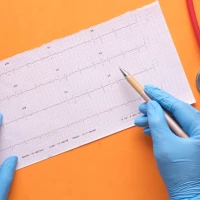
What is cardiac arrhythmia and how to treat it?
10 August 2025
What is POTS (Postural Orthostatic Tachycardia Syndrome): Symptoms and Causes
Sign up
 in the clinic
  online

 Hello!
Let's take care
about your health:
Sign up via call center 
