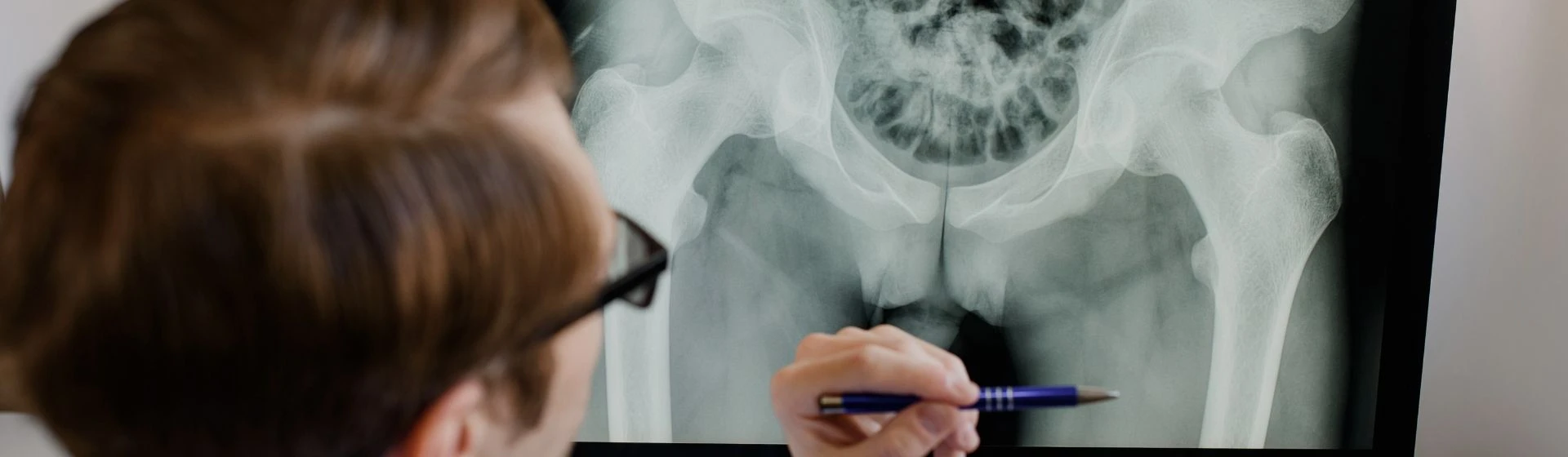
Cystography may be performed in different ways — depending on the symptoms and on which changes in the urinary bladder or urinary tract need to be checked. Different types of the examination allow assessment of the shape and condition of the urinary bladder, its emptying, as well as a possible disorder of urine outflow.
Ascending, or retrograde cystography
During such an examination, the contrast agent is introduced directly into the urinary bladder through a thin catheter. After the bladder is filled, X-ray images are taken to assess its shape, contours, the integrity of the walls and possible pathological changes.
Ascending, or retrograde, cystography may be prescribed when trauma of the urinary bladder, diverticula, postoperative changes or other disorders that require additional clarification are suspected.
Descending cystography
Descending cystography is performed after intravenous administration of a contrast agent. The contrast enters the urinary bladder through the kidneys and ureters, after which X-ray images are taken.
Such a method is usually part of a comprehensive examination of the urinary system and may be combined with urography. The examination helps assess not only the urinary bladder, but also the passage of urine through the urinary tract.
Voiding cystography
Voiding cystography — is an examination during which images are taken not only after the urinary bladder is filled with contrast, but also during urination. This allows assessment of how the urinary bladder empties, whether there is reverse reflux of urine into the ureters and whether the lower urinary tract is working correctly.
Most often, voiding cystography is used when vesicoureteral reflux, recurrent infections of the urinary system, urination disorders or urinary incontinence are suspected.